



Introduction
Aconitum falconeri, a member of the Ranunculaceae family, is a highly potent medicinal plant known for its strong analgesic, antipyretic, and neuroactive properties. However, it is also recognized as a highly toxic herb and therefore requires extreme caution in traditional and modern usage.
Botanical Characteristics
- Plant Structure: A herbaceous plant growing about 2 to 3 feet in height. Typically, one or two branches emerge from the root.
- Flowering:
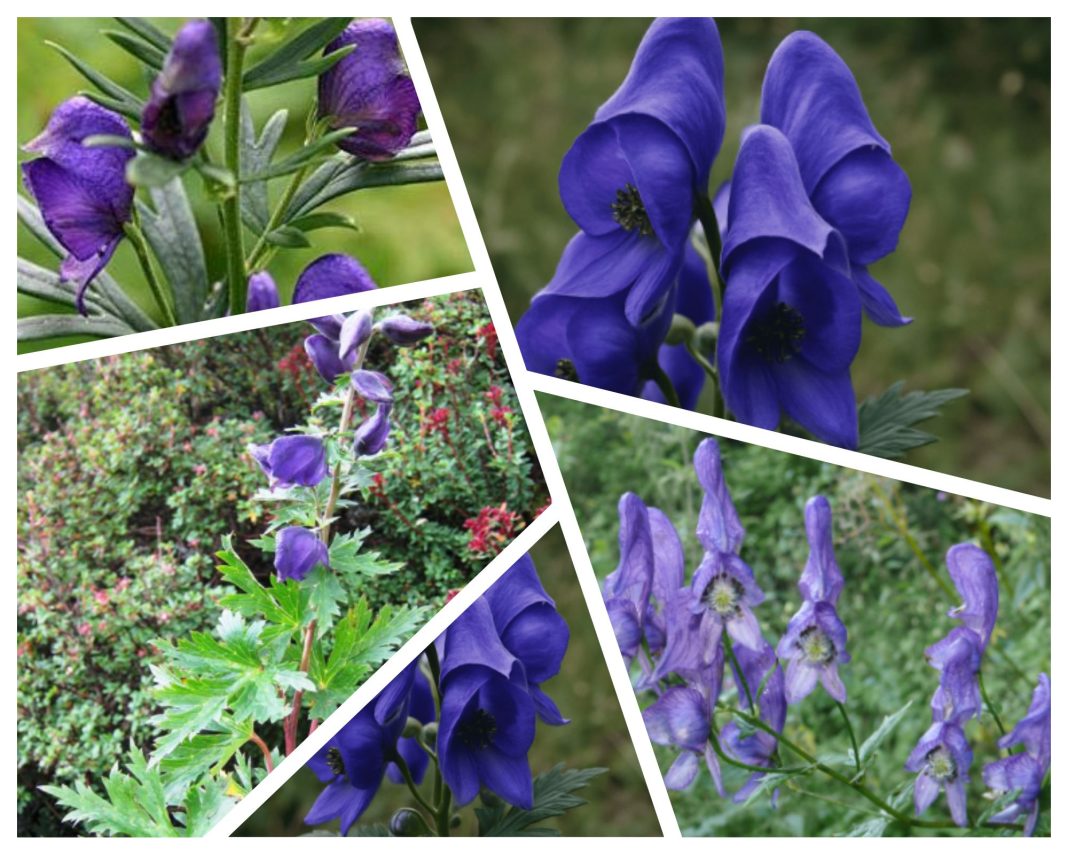
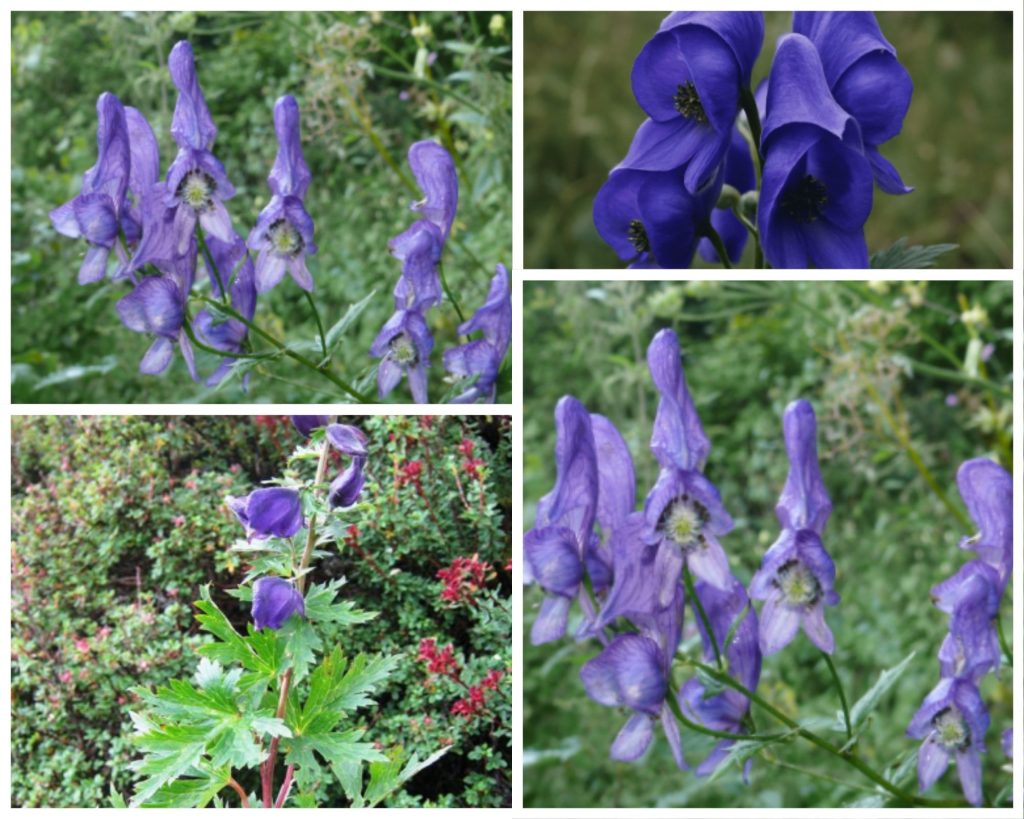
- Flowers are usually blue in color
- Blooming period: August
- Fruiting:
- Fruits appear in clusters
- Ripen during September–October
- Life Cycle: The plant completes growth in one season and may wither the following year
Habitat and Distribution
This plant grows in:
- Snow-covered and alpine regions
- Himalayan ranges (8,000–12,000 feet altitude)
- Nepal, Kashmir, Almora
- Chamba and Kangra (India)
- Murree and Abbottabad (Pakistan)
- Also cultivated in Britain
It thrives in cold mountainous climates.
Root Characteristics
- Shape: Double-nodular, wrinkled, and fibrous
- Length: Up to 12 inches
- Thickness: Around half an inch
- Color: Brown, white, or black externally
- Taste: Extremely tingling and numbing even in small amounts
- Important Note: Even small quantities are highly poisonous
Chemical Composition
The root contains powerful toxic alkaloids, including:
- Aconitine (major active compound)
- Pseudoaconitine
- Napelline derivatives
- Picraconitine
- Aconine and aconitic acid
- Small amounts of benzaldehyde and related compounds
These compounds are responsible for both its medicinal effects and high toxicity.
Types
- Commonly classified into:
- Black variety
- White variety
Both are used traditionally with extreme caution.
Temperament (Mizaj)
- Hot and dry (4th degree – extremely potent)
Pharmacological Actions
- Powerful analgesic (pain reliever)
- Antipyretic (fever reducer)
- Local anesthetic effect
- Anti-inflammatory
- Stimulant of circulation
- Mild respiratory and phlegm-related support (in controlled use)
Medicinal Uses (Traditional)
Due to its toxicity, it is used only after proper detoxification (process known as purification).
- Fever and Inflammation:
Used in combination with other herbs for severe fevers, including pneumonia - Nerve Pain:
Relieves neuralgia and nerve-related pain, especially in deep or chronic conditions - Respiratory Disorders: Used in:
- Chronic cough
- Phlegm-related conditions
- Skin and External Use: Applied in ointments and poultices for
- Pain relief
- Local inflammation
- Weak organs needing stimulation
- Reproductive and Urinary Disorders: Traditionally used (with caution) in:
- Menstrual disorders
- Cold-related urinary conditions
Traditional Detoxification (Purification Process)
A classical method includes:
- Cooking the root in cow’s milk (about 100 g milk with 2 tolas root)
- Heating on low flame using traditional vessels
- Washing and drying after curdling
- Proper disposal of toxic residues
This process is believed to reduce toxicity before medicinal use.
Toxicity and Symptoms of Poisoning
If consumed in excess, symptoms include the following:
- Tingling and burning sensation in mouth
- Numbness and body weakness
- Cold, clammy skin
- Excessive sweating
- Vomiting and nausea
- Irregular, weak pulse
- Dilated veins
- Slow breathing
- Muscle weakness and loss of coordination
- Loss of consciousness
- Respiratory failure leading to death
Treatment of Poisoning (Traditional)
- Immediate gastric lavage (stomach wash)
- Induced vomiting
- Use of traditional antidotes such as
- Jadwar (Nardostachys jatamansi)
- Musk-based formulations
Modern observations suggest the following:
- Activated charcoal or similar absorbents may help reduce absorption
Traditional Formulations
Used in carefully prepared compounds such as:
- Hab Sanjeevani
- Hab Rahat
- Other classical pain-relief and fever medicines