



Introduction
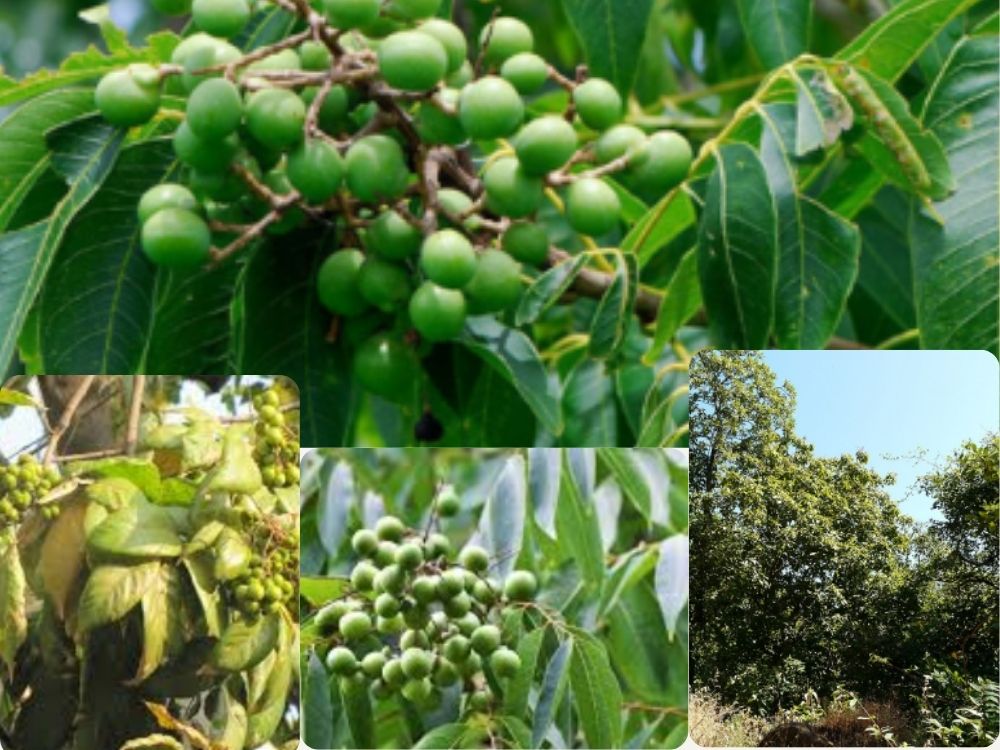
The soap nut tree (Sapindus trifoliatus) is a well-known medicinal plant valued for its natural cleansing properties and therapeutic benefits. It is commonly used in traditional medicine for treating various internal and external ailments.
Characteristics of the Tree
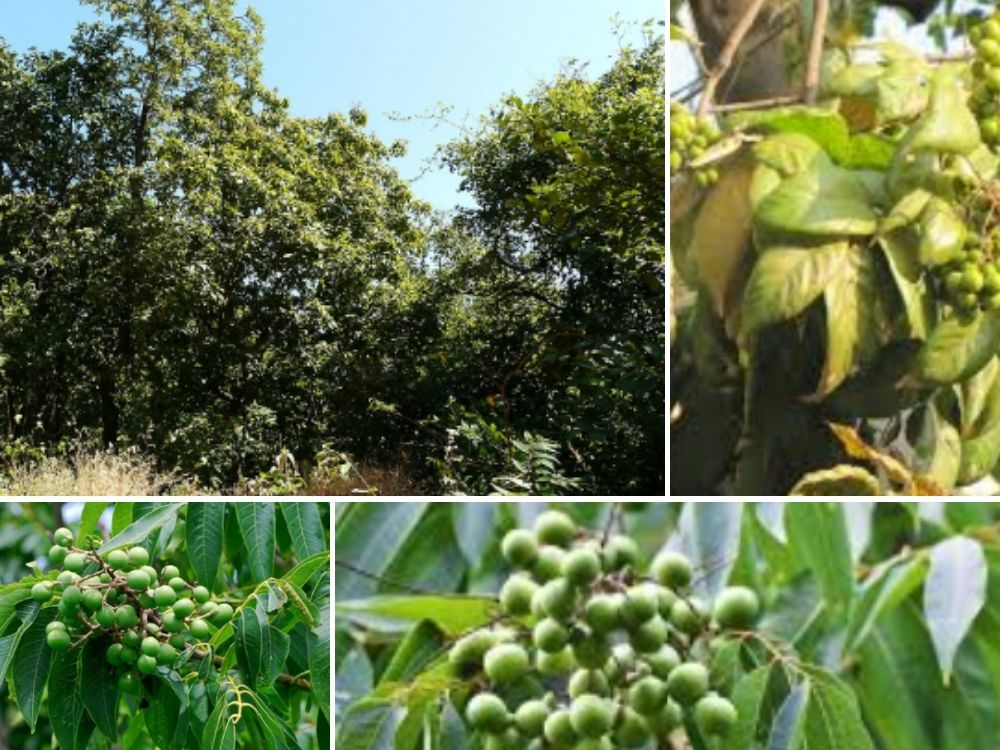
The soap nut tree typically grows to a height of 15 to 25 feet. Its bark is bluish-brown, rough in texture, and covered with temporary scales that naturally shed during the autumn season.
Leaves
The leaves are oblong in shape and range from 5 inches to one foot in length. They are smooth and arranged alternately along the branches.
Flowers
The flowers are small, oblong, and greenish-white, with fine hairs on their surface. The petals are not prominent or fully developed.
Parts Used
The following parts of the plant are used medicinally:
- Fruit peel (most commonly used)
- Bark
- Pith
Chemical Composition
The fruit of the soap nut tree contains the following:
- 11.5% saponin
- Glucose
- 10% pectin
- 4% ketones (corrected from “edones”)
- 30% lipids
- Eicosanoic acid (corrected spelling)
Temperament (Unani Perspective)
- Hot and dry in the second degree
Medicinal Actions
Internal Uses
- Stomach tonic
- Digestive aid
- Blood purifier
- Astringent
- Laxative
- Antipyretic (reduces fever)
- Helps remove mucus
External Uses
- Absorbent
- Cleansing agent
- Used in skin applications
- Emetic (induces vomiting when required)
Therapeutic Uses
Skin Diseases
Due to its astringent and cleansing properties, the soap nut is used in treating the following:
- Scabies
- Leprosy
- Itching and other skin disorders
It is often added to ointments to enhance their effectiveness and improve pigmentation.
Tumors and Swellings
Its dissolving and astringent properties make it useful in treating tumors of the spine and kidneys, where it may help in reducing or breaking down abnormal growths.
Nasal Congestion and Headache
The herb induces sneezing, which helps:
- Clear blocked nasal passages
- Relieve headaches (including migraine-like conditions such as Shaqiqa)
Respiratory Conditions
Its expectorant action helps the following:
- Remove mucus
- Relieve cough and asthma
Digestive and Parasitic Issues
- Acts as a laxative
- Helps expel intestinal worms
- Clears toxins from the digestive system
Gynecological Uses
Traditionally used for:
- Menstrual retention
- Expelling retained placenta (used with caution under expert supervision)
Poison and Bites
In traditional practices:
- Used for snake and scorpion bites
- Powdered peel is applied externally as a poultice
- Internally, it may induce vomiting or diarrhea to help eliminate toxins
Neurological Uses
- Used in cases of fainting
- During epileptic seizures, its powder may be blown into the nose to induce sneezing, which is believed to provide relief
Blood Purification
The peel is ground and made into small tablets (about peanut size) and taken with milk and ghee to help treat the following:
- Syphilis
- Leprosy
- General skin diseases
Special Benefit
- Particularly effective in the treatment of skin diseases
Side Effects (Harm)
- May cause irritation in the intestines if used in excess
Corrective (Musleh)
- Almond oil is used to reduce its harsh effects
Dosage
- 1 to 2 mass (traditional unit of measurement)