



Introduction
Azaragi, commonly known as Nux Vomica or Poison Nut, is a well-known medicinal plant used in traditional systems such as Unani medicine. Despite its therapeutic importance, it is highly toxic and must be used with extreme caution under expert supervision.
Botanical Description
The Kutchla tree (Nux vomica) is a medium- to large evergreen tree, typically growing up to 40–50 feet in height. Its branches are slender yet strong, and the stem appears whitish initially, turning yellowish-brown when cut.
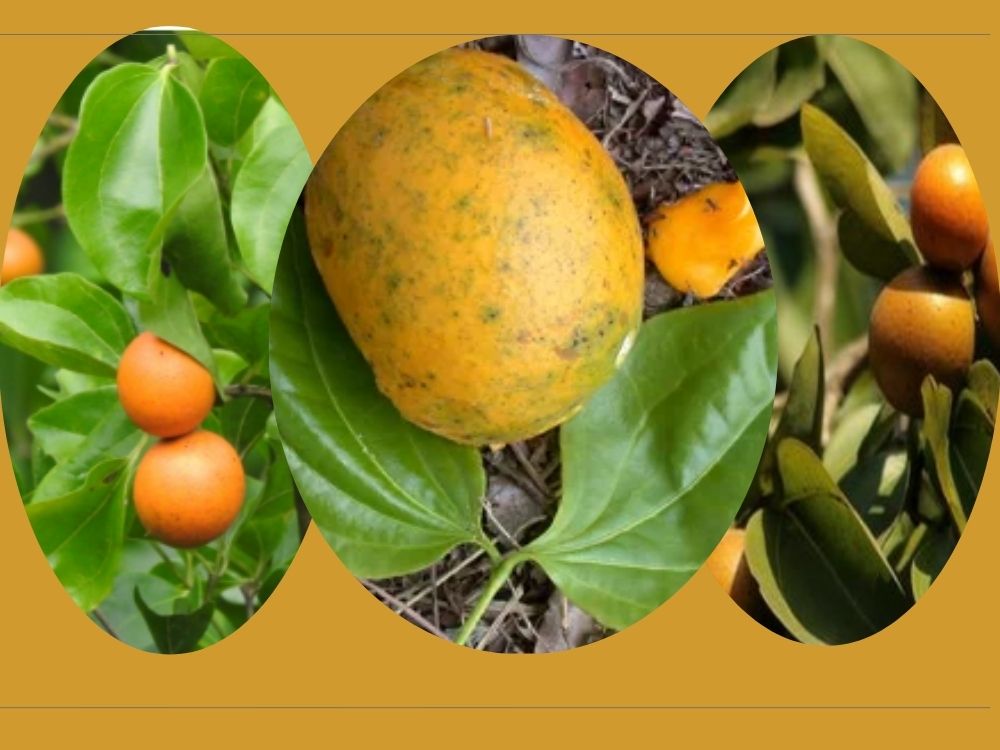
The leaves are smooth, shiny, and resemble those of mango or jamun. They are about 2–3 inches long and 2 inches wide and may exude a foul-smelling, poisonous sap.
Flowers and Fruits
The plant produces small, greenish-yellow flowers that appear during winter and spring, resembling turmeric buds in appearance.
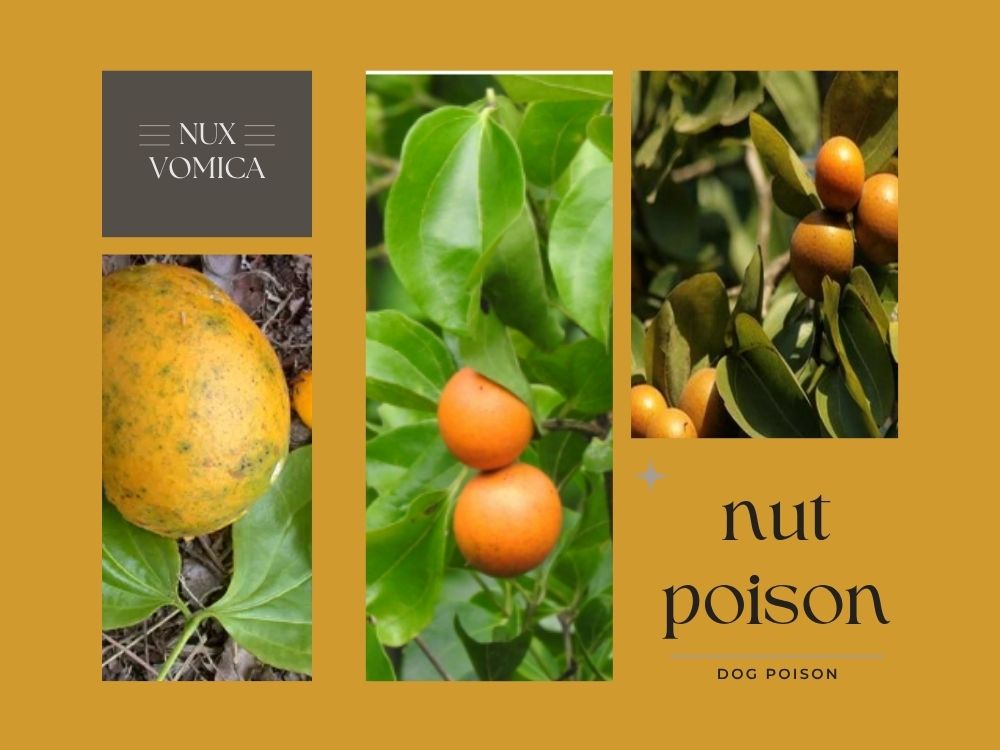
The fruit is round, similar to an apple, about 1.5 inches in diameter. When ripe, it turns reddish-yellow with soft pulp. Each fruit contains 2–5 seeds, commonly known as Kutchla.
The seeds are:
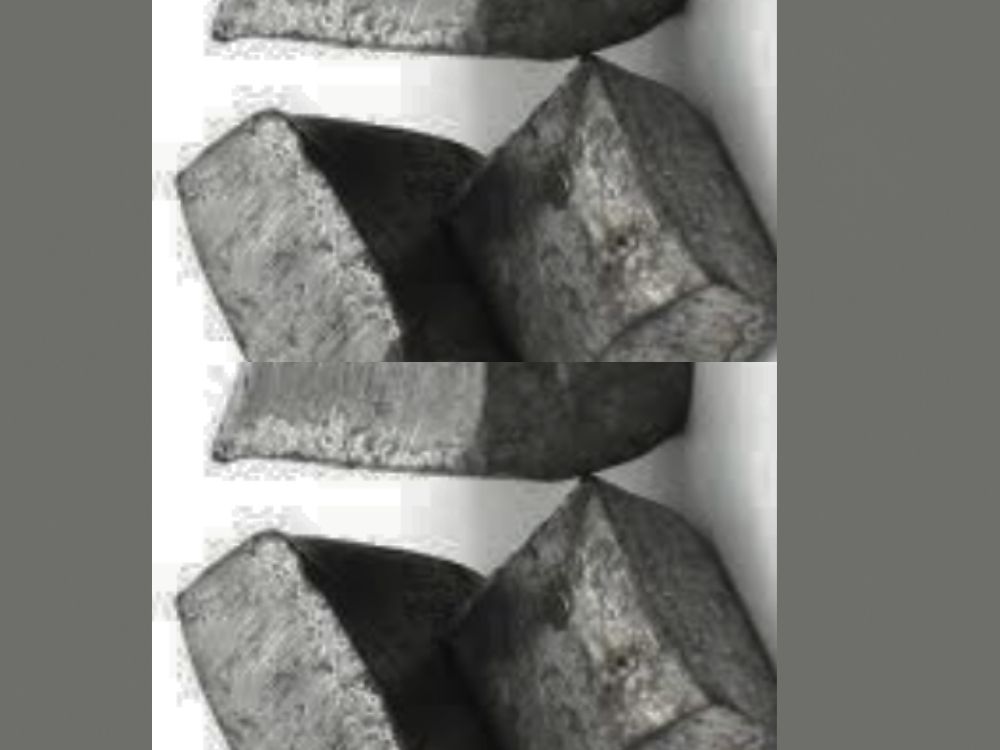
- Hard and disc-shaped
- About 1.5 inches in diameter
- Raised on one side and depressed on the other
- White to brown in color
Geographical Distribution
Azaragi is mainly found in:
- India (Travancore, Madras, Orissa, Bihar, Uttar Pradesh)
- China
Chemical Composition
The seeds of Nux Vomica contain potent alkaloids and compounds, including
- Strychnine (approximately 1–2%)
- Brucine (0.7% to 3%)
- Ajwain acid
- Loganin (inert glycoside-like substance)
- Fat and sugar components
These constituents are responsible for both its medicinal and toxic effects.
Temperament
In Unani medicine, Azaragi is considered the following:
- Hot and dry (third degree)
- Sometimes classified as fourth degree due to its strong potency
Pharmacological Actions
Azaragi exhibits several powerful actions, including:
- Stimulant
- Cardiac tonic
- Nervine tonic
- Anti-phlegmatic
- Blood purifier
- Mild expectorant
Medicinal Uses
Digestive System
Azaragi is used to
- Strengthen the stomach and intestines
- Improve digestion
- Increase appetite
- Help in constipation (in very small doses)
It enhances digestive activity and stimulates the gastric system.
Circulatory and Cardiac Health
It acts as a heart stimulant, improving the following:
- Blood circulation
- Cardiac muscle function
However, it must be used in very small doses, as excessive use can be dangerous.
Nervous System Disorders
Due to its nervine properties, it is used in:
- Paralysis
- Nervous weakness
- Back pain
- Muscular laxity
Inflammatory and Musculoskeletal Conditions
Azaragi is beneficial in conditions like the following:
- Arthritis
- Gout
- Joint pain
It is used both internally (in controlled doses) and externally.
Chronic and Infectious Diseases
Traditionally, it has been used in the following:
- Syphilis
- Leprosy
- Other chronic blood-related disorders
It is often combined with other herbs for detoxification and purification.
Topical Applications
As a poultice, Azaragi is applied to the following:
- Hard swellings and tumors
- Chronic inflammatory conditions
Special preparations such as Rogan Kutchla and Majoon Azarqi are used for external and internal treatments.
Toxic Effects
Azaragi is highly poisonous if taken in excess (around 3 grams or more). Symptoms of toxicity include:
- Severe body stiffness and muscle spasms
- Intense itching
- Rapid breathing difficulty
- Bluish discoloration of the face
- Bulging eyes and anxiety
- Jaw and back muscle rigidity
- Body arching like a bow (convulsions)
Death may occur due to respiratory failure.
Treatment of Poisoning
Immediate medical intervention is required:
- Gastric lavage (stomach washing)
- Inducing vomiting repeatedly
- Administration of milk and ghee to reduce toxicity
- Supportive care and antidotal treatment
Dosage
- Recommended dose: Approximately ½ grams to 2 grams
(Strictly under professional supervision)
Formulations and Preparations
Azaragi is used in several traditional formulations, including:
- Rogan Kutchla (medicated oil)
- Majoon Azarqi
- Various herbal ointments and tonics