



Introduction
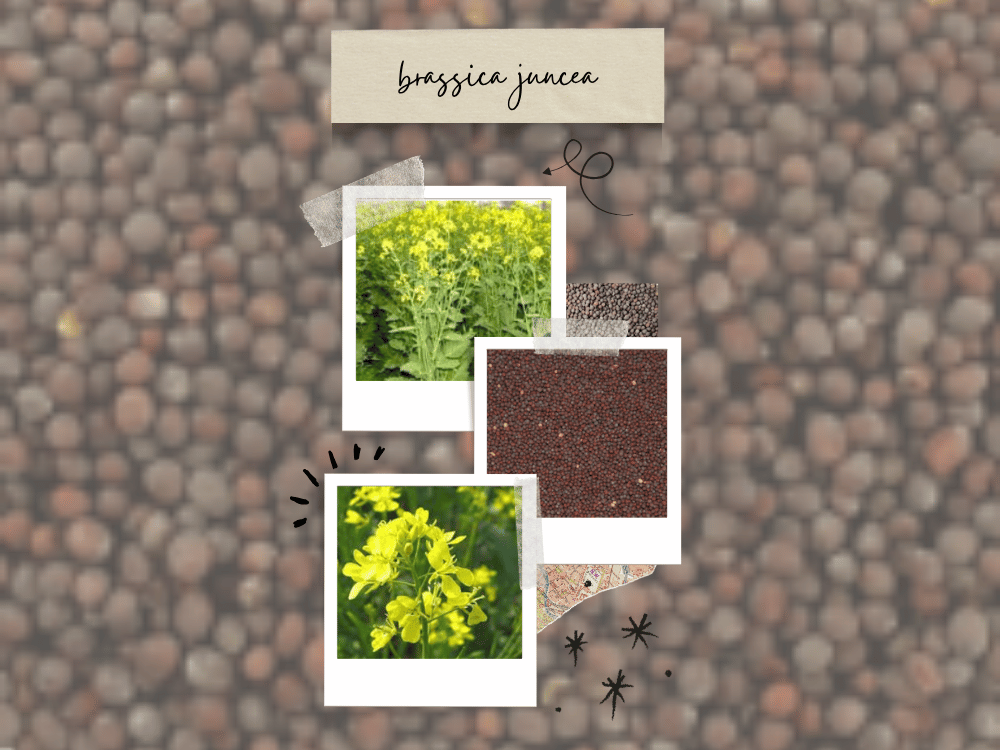
Brassica juncea, commonly known as mustard, is an important medicinal and culinary plant. It has several varieties such as white mustard, black mustard, and rye mustard. It is widely cultivated in many regions of the world.
Botanical Description
Plant
- The plant resembles the common mustard plant.
- It grows up to 3–4 feet in height.
- It is cultivated mainly in the Rabi season.
- It is commonly grown in agricultural fields.
Leaves
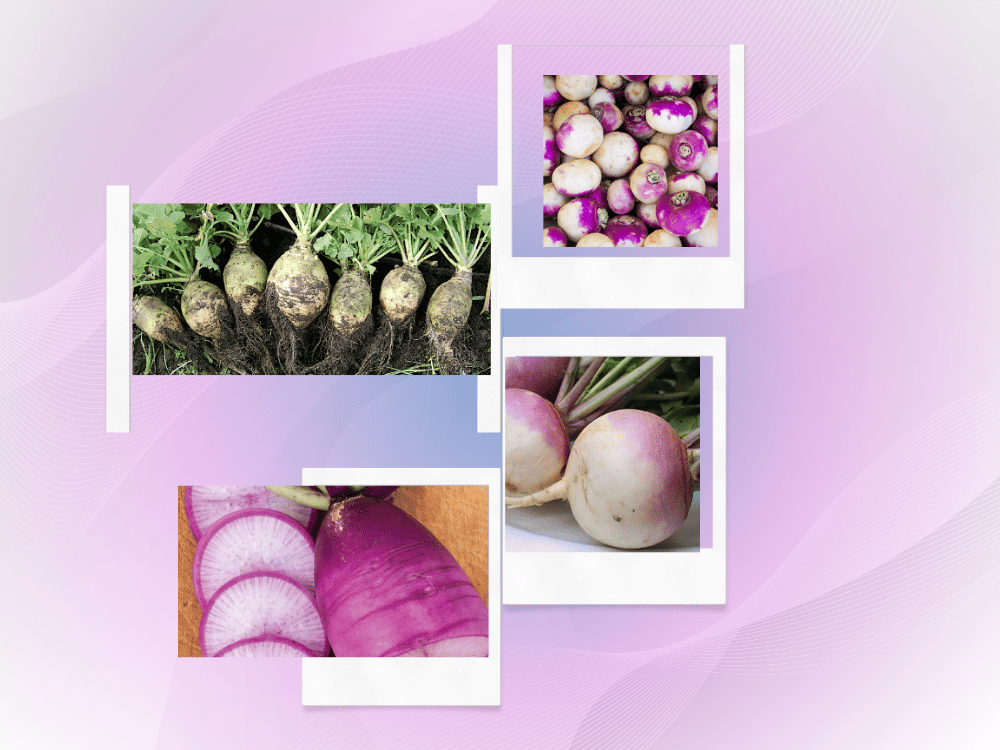
- Leaves are green, rough, and hairy, similar to radish leaves.
- They have a sharp and pungent taste.
Seeds
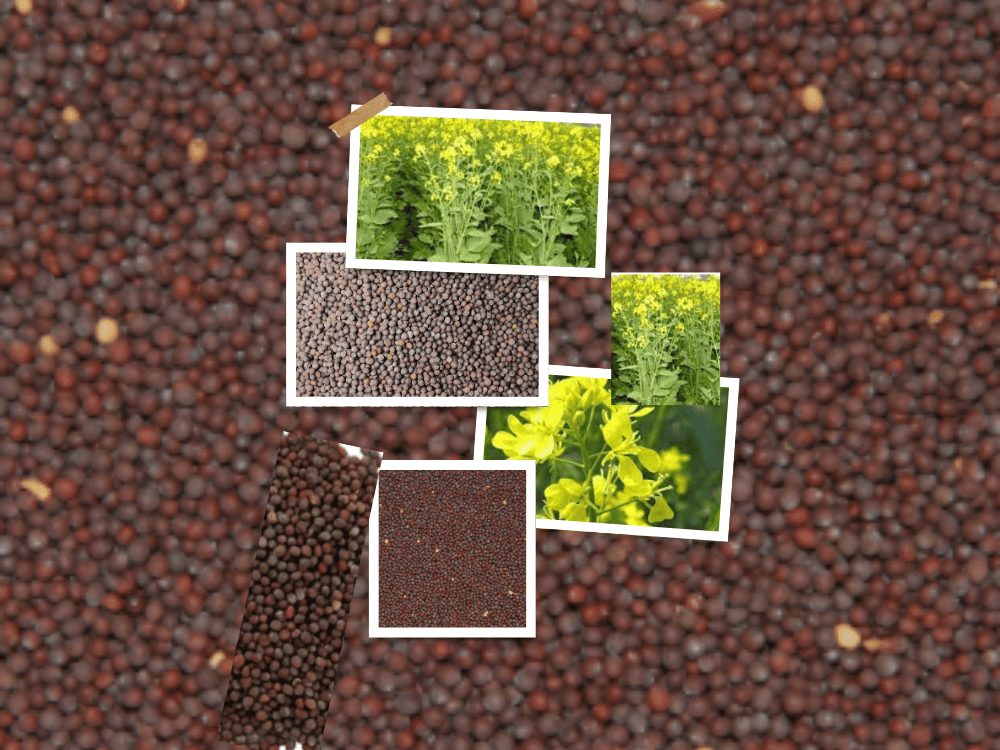
- Seeds develop in mustard-like pods.
- They are black, brown, or reddish in color.
- The taste is strong, sharp, and pungent.
Place of Origin
- Native to India, Pakistan, and East Asia
- Also cultivated in parts of America and the Deccan region
Chemical Composition
The seeds contain:
- Myrosin
- Sinigrin
- Fixed oil (about 25%)
- Potassium myronate (about 5%)
- Sinapine
Temperament (Unani System)
- Hot and Dry
Pharmacological Actions
External Actions
- Muhammar (Rubefacient) – increases blood flow and causes redness
- Jali (Detergent/Cleansing)
- Mufatteh (Solvent/Resolvent)
- Initially causes inflammation, later helps in relieving pain
Internal Actions
- Stomach stimulant
- Digestive (Hazim)
- Helps reduce spleen swelling
- In large doses, acts as an astringent
Medicinal Uses
External Uses
- Used in skin diseases such as:
- Ringworm
- Leprosy
- Applied as a poultice for:
- Spleen swelling
- Joint pain (e.g., gout)
- Helpful in:
- Sciatica (Irq al-Nisa)
- Back pain (Waj al-Kuras)
- Applied over liver, spleen, and stomach for inflammation
- Mustard plaster is used for:
- Chest congestion
- Cold-related conditions
Internal Uses
- Improves appetite and digestion
- Used in lung diseases as a laxative and solvent
- Helps in expelling toxins (large doses may induce vomiting)
- Adding mustard to foods like raita improves digestion
Mustard Oil
Preparation
- Extracted by pressing mustard seeds
Uses
- Application on hands, feet, and nose helps relieve colds
- Used for massage in:
- Paralysis
- Nervous disorders
- Joint pain and gout
- Applied on the throat for:
- Swelling
- Inflammation
Special Benefits
- Acts as a rubefacient (Muhammar)
- Strong digestive stimulant
Dosage
- 1–3 tablespoons (depending on condition and usage)