




Introduction
Flax seeds are small, nutrient-rich seeds widely valued for their medicinal and nutritional benefits. Traditionally, they have been used in herbal medicine systems for treating various ailments, particularly those related to the respiratory and digestive systems.
Botanical Description
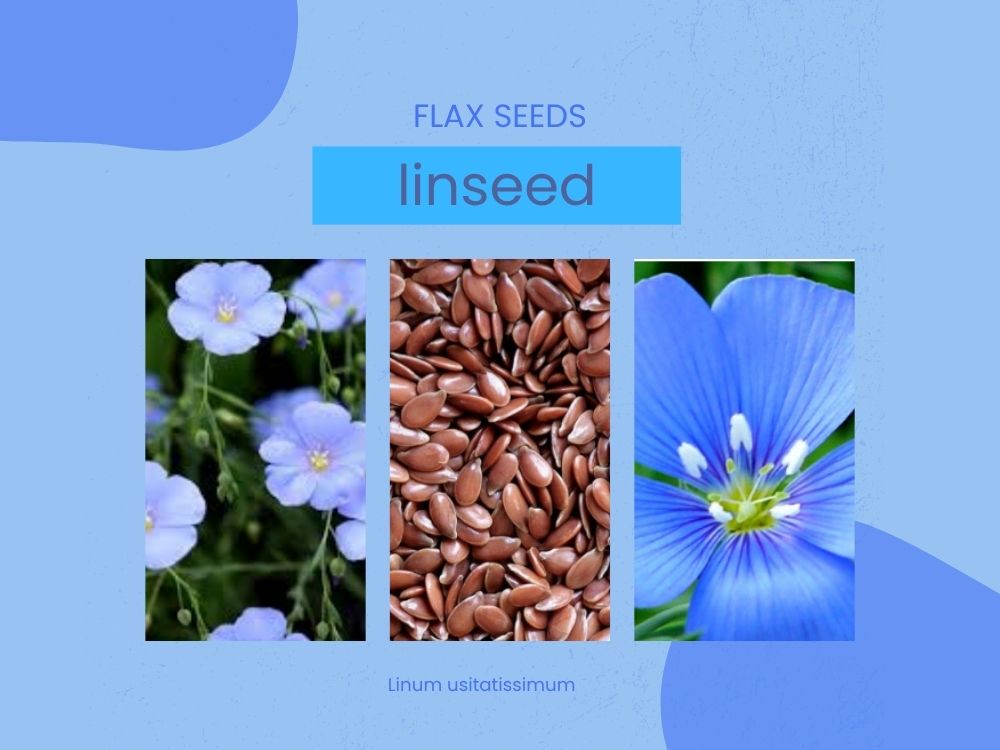
Flax is an annual plant typically cultivated alongside wheat during the Kartik season. It grows to a height of about two to four feet. The plant bears delicate blue flowers, which are visually distinctive.
The fruit is a small capsule, roughly the size of a grain of rice, containing numerous seeds. These seeds are small, oval-shaped, slightly pointed, shiny, and oily, usually blackish-brown in color. Flax is widely cultivated in countries such as Egypt, Pakistan, India, and Russia.
Chemical Composition
Flaxseeds contain several important chemical components, including:
- A mucilaginous (mucoid) substance in the outer seed coat
- Fixed oil (non-volatile oil)
- Glycerol
- Lipophilic fatty acids (approximately 25–30%)
These constituents contribute significantly to its therapeutic properties.
Temperament (Unani Perspective)
According to traditional Unani medicine, flax seeds possess a hot and dry temperament (first degree).
Pharmacological Functions
Flaxseeds exhibit a range of medicinal actions, including the following:
- Expectorant (mucus expeller)
- Demulcent (soothing and mucilaginous effect)
- Emollient (softening and anti-inflammatory action)
- Mild laxative
- Analgesic (pain-relieving)
Medicinal Uses
Respiratory Health
Due to their expectorant properties, flax seeds are commonly used in the treatment of cough and asthma. When mixed with honey and consumed, they help in loosening and expelling phlegm.
Throat Inflammation
The soothing (demulcent) nature of flax seeds makes them beneficial in throat inflammation and swelling. They can be taken orally or used as a gargle to relieve irritation.
Digestive Support
Flax seeds act as a mild laxative, helping to relieve constipation and improve bowel movement.
Topical Applications
When applied as a poultice, flaxseeds are effective in treating the following:
- Boils and abscesses
- External and internal swellings
- Inflammatory conditions such as phlegmon
- Pain and swelling in the abdomen
They help soften tissues, reduce pain, and promote the ripening and drainage of abscesses.
Joint and Muscular Pain
Flax seed poultices are also useful in gout and abdominal pain, providing relief through their anti-inflammatory and soothing effects.
Genitourinary Conditions
Traditionally, flax seeds have been used in the following:
- Gonorrhea
- Kidney and bladder wounds
- Swelling in the lower abdomen and veins
Their astringent and anti-inflammatory properties support healing in these conditions.
Gynecological Uses
Flax seed poultices have been applied in vaginal inflammation and severe ulcers, helping to reduce discomfort and promote healing.
Special Benefit
- Effective removal of phlegm from the body
Adverse Effects
- May impair digestion if taken in excess
Correctives (Musleh)
To reduce potential side effects, flax seeds are often used with the following:
- Coriander
- Sikanjabeen (Scinjani)
Dosage
- Recommended dose: 1 to 5 tola (traditional measurement)
Formulations and Preparations
Flax seeds are used in various traditional formulations, including the following:
- Cough syrups
- Herbal oils (e.g., cottonseed oil blends)
- Hyssop-based syrups
- Ointments for respiratory and inflammatory conditions
- Classical Unani preparations such as those mentioned in traditional texts (e.g., Galenic medicine)