



Introduction
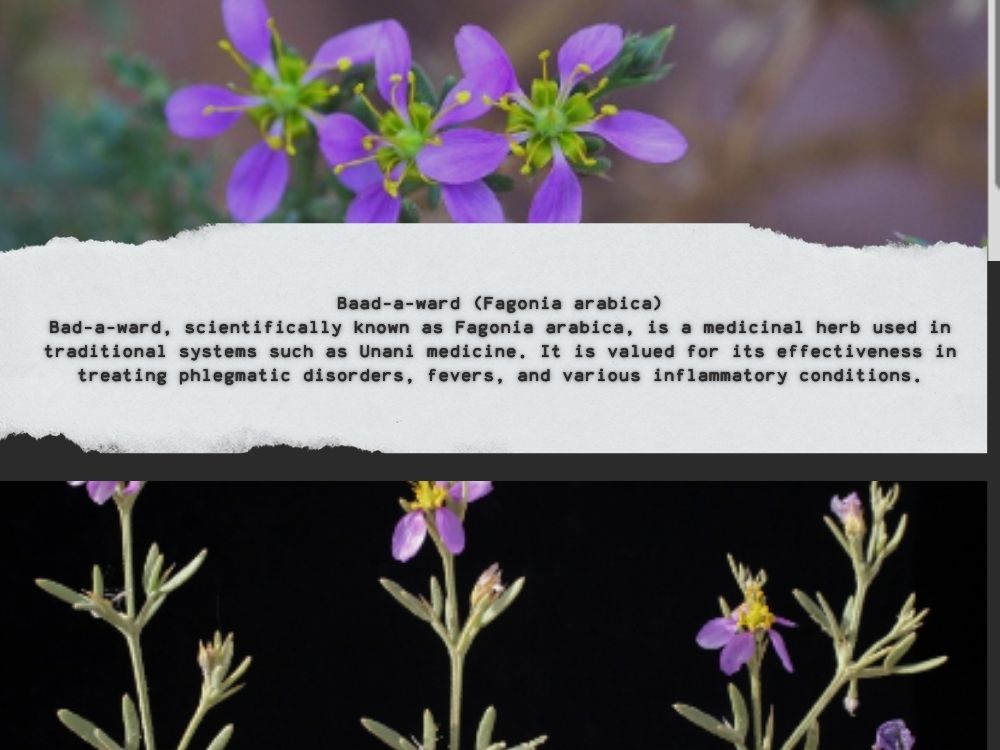
Bad-a-ward, scientifically known as Fagonia arabica, is a medicinal herb used in traditional systems such as Unani medicine. It is valued for its effectiveness in treating phlegmatic disorders, fevers, and various inflammatory conditions.
Botanical Description
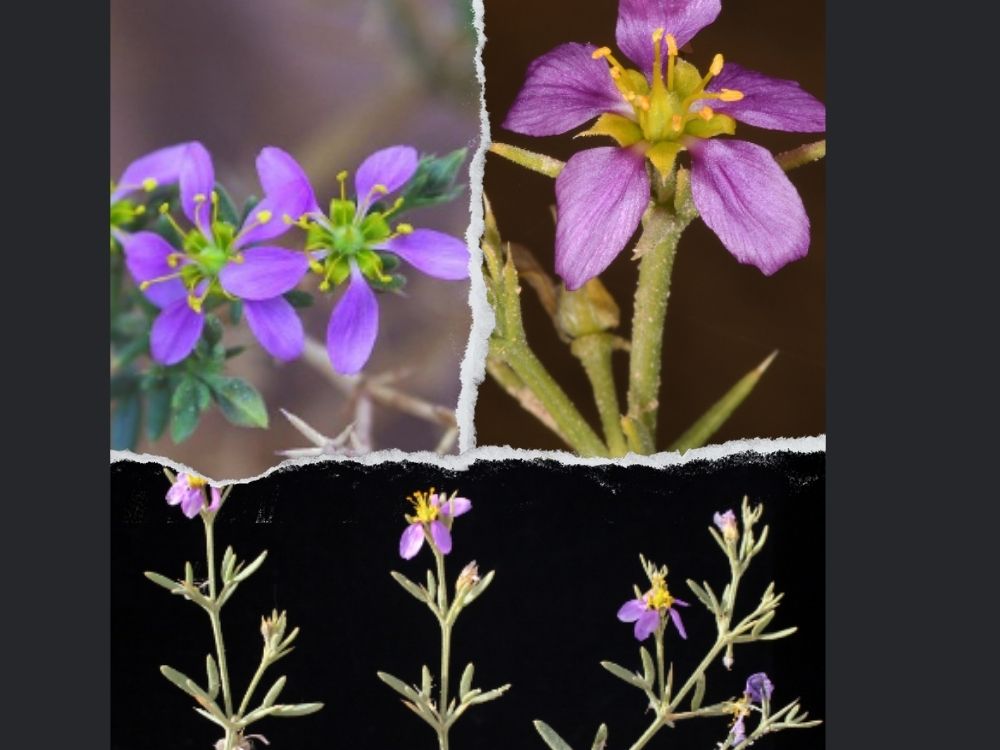
Baad-a-ward is a highly branched herbaceous plant. Unlike the erect growth of Brahmadanda, this plant spreads with numerous branches.
- The branches are square-shaped and hollow from the inside
- The plant is often confused with Jawasa or Dhamasia, though it is botanically distinct
Flowers
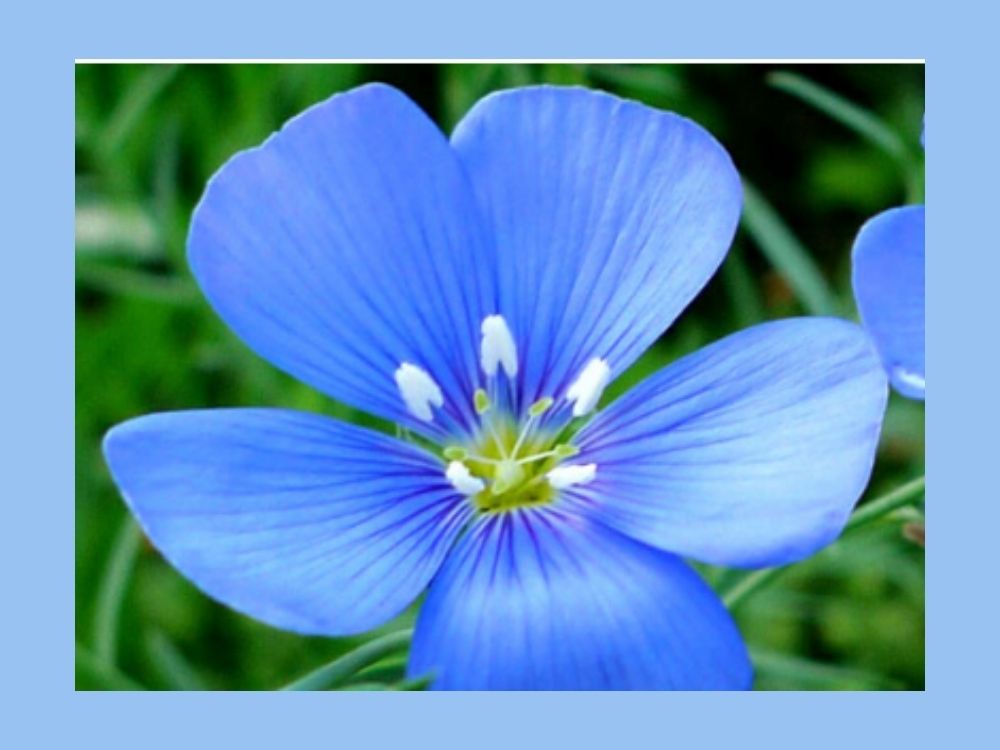
The plant produces blue-colored flowers. These resemble safflower seeds in structure but are comparatively rounder in shape.
Fruits and Seeds
- The fruits grow in clusters
- Each fruit contains a cotton-like substance
- When ripe, the fruit bursts open naturally, dispersing the cotton and leaving the seeds behind
Geographical Distribution
Bad-award is commonly found in
- Deccan region
- Mysore and Bangalore
- Madras (South India)
- Foothills of the Himalayas (up to about 3,000 feet altitude)
Chemical Composition
The plant contains:
- Various natural salts
- Green pigments
- Volatile resin
These compounds contribute to its therapeutic properties.
Temperament
- Cold and dry in the first degree
Pharmacological Actions
Baad-a-ward possesses multiple medicinal actions:
- Expectorant (removes phlegm)
- Stomach tonic
- Anti-inflammatory (soothing)
- Emmenagogue (stimulates menstruation)
- Diuretic (promotes urination)
- Astringent
- Analgesic (pain-relieving)
Medicinal Uses
Respiratory and Phlegmatic Disorders
The herb is highly effective in:
- Cough
- Chronic phlegm accumulation
- Old phlegmatic fevers
It helps expel thick, sticky mucus from the body.
Fever Management
Its decoction or infusion is traditionally used to treat:
- Chronic fevers associated with phlegm
Digestive and Liver Health
The juice of the leaves is beneficial for:
- Stomach pain
- Liver disorders
- Diarrhea
It also supports overall digestive function.
Bleeding Disorders
Due to its astringent nature, Baad-a-ward is used to
- Control bleeding
- Promote tissue contraction and healing
Oral and Dental Health
- Gargling with its decoction helps relieve the following:
- Gum swelling
- Toothache
- Oral inflammation
Musculoskeletal Pain
For back pain, joint pain, and general body aches:
- The plant is burned in sesame oil, and the filtered oil is used for massage
Hair and Skin Applications
- Rubbing the plant preparation on hair follicles may support scalp health
Gynecological and Urinary Uses
- Helps regulate menstruation
- Acts as a diuretic, aiding in urinary flow
Poison and Bites
- A poultice of the plant is applied to snake and scorpion bites to neutralize poison
- Traditionally believed that hanging the plant in an area may repel such creatures
Special Benefit
- Particularly effective in phlegmatic fevers and stomach pain
Dosage
- 5 to 7 grams
(To be used under proper guidance in traditional practice.)
Formulations and Preparations
Baad-a-ward is used in traditional formulations such as
- Matbukh Ghafith
- Herbal preparations for fever management