



Introduction
Bartang, commonly known as Broadleaf Plantain or Greater Plantain, is a widely distributed medicinal herb valued in traditional medicine for its wound-healing, blood-stopping, and cooling properties. It is especially useful in treating bleeding disorders, urinary burning, and respiratory issues.
Botanical Description
Bartang is a herbaceous plant that typically grows up to three to three and a half feet in height. It has a strong root system and broad medicinal leaves.
- The stem is slender, often reddish in color, reaching about 2–3 feet
- The plant has a simple upright structure with multiple leaf clusters
Leaves
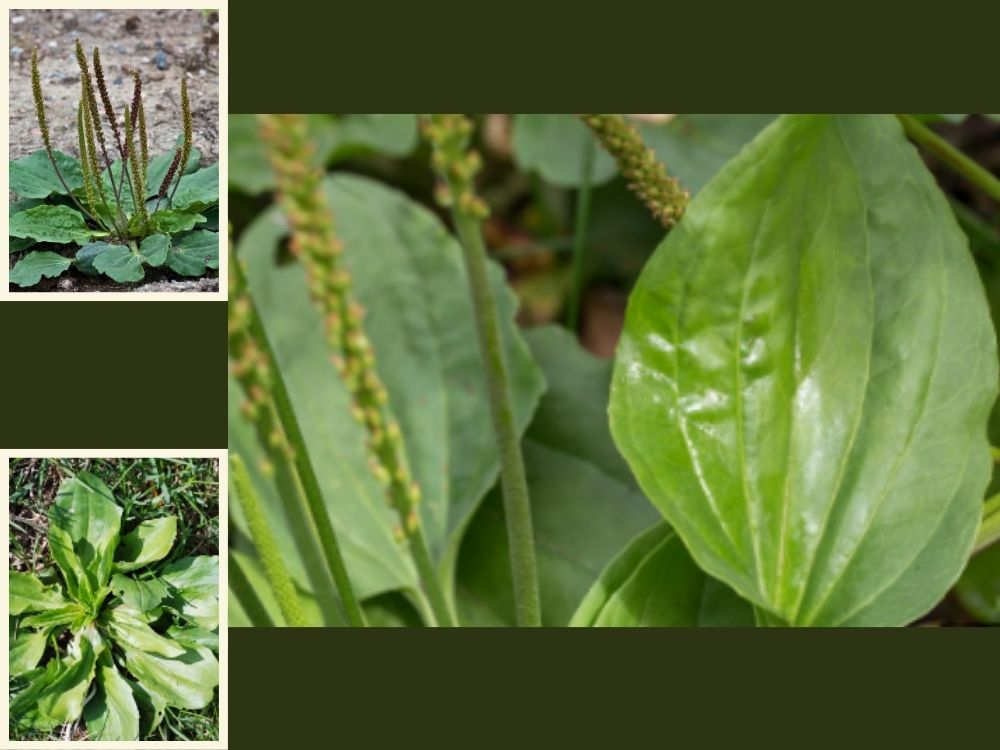
- Large and broad, resembling a goat’s tongue
- Green in color but not excessively wide
- Some varieties have scaly or slightly hairy surfaces
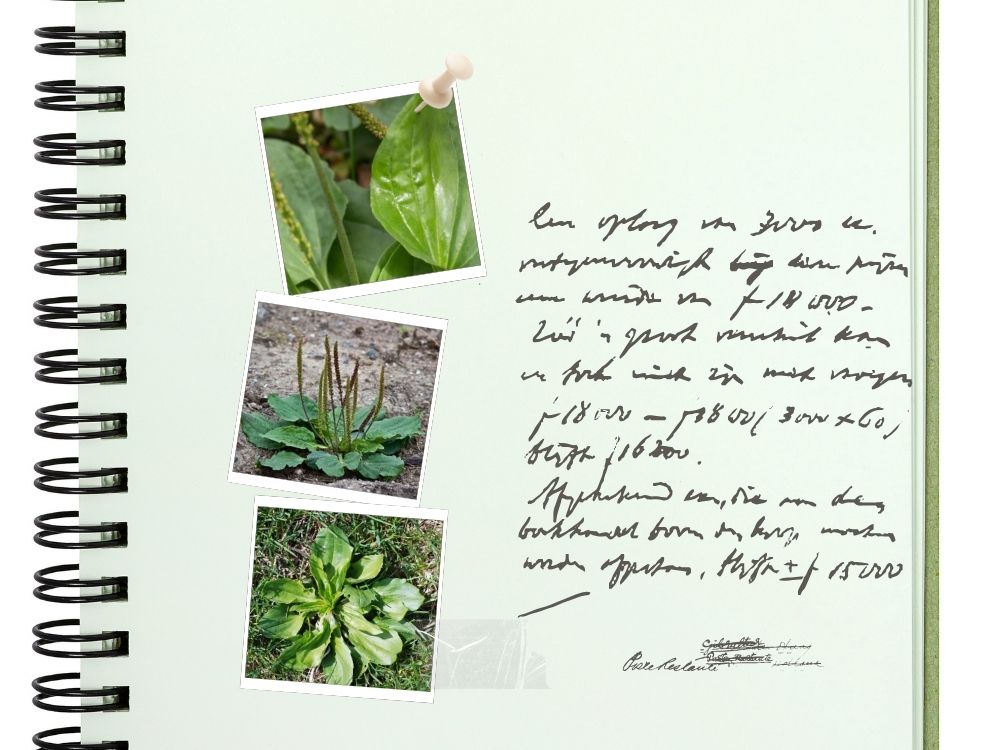
Leaves are the most commonly used medicinal part of the plant.
Flowers
- Flowers grow on thin, branching spikes
- Located at the upper ends of the stems
- Small in size with a yellowish color
- Arranged in clusters along the flower spike
Seeds
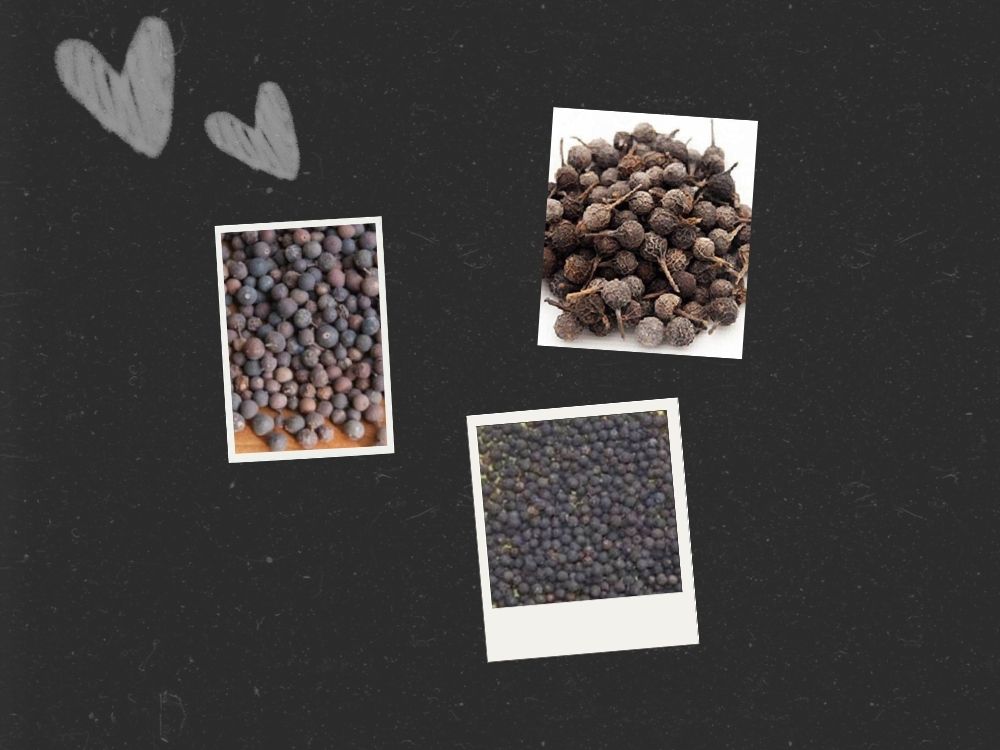
- Small, black to bluish-black in color
- Found within the flower spikes
- Some types produce brown, pea-like seeds with a dull taste
Root
- Thick and finger-like in shape
- Covered with fine hairs at the top
- Also used in traditional remedies
Varieties
Two main types are traditionally described:
1. Common Broadleaf Plantain
- Broad leaves
- Flower spikes with multiple small segments
- Most commonly used medicinally
2. Narrow-leaf Plantain (Greater variety group)
- Leaves are smaller and more elongated
- Seeds are round, brown or black, and slightly bitter
- Belongs to the same botanical family
Geographical Distribution
Bartang is widely found in:
- Punjab and Peshawar regions
- Kashmir and northern Pakistan
- Extending to Bhutan
- Abundant in Balochistan and Waziristan border areas
Chemical Composition
Bartang contains several active medicinal compounds, including:
- Aucubin (glycoside)
- Resin and wax
- Pectin
- Mucilage (saliva-like soothing substance)
- Sugars and other plant extracts
These components contribute to its healing, anti-inflammatory, and soothing effects.
Temperament (Unani Perspective)
- Cold and dry (second degree)
Pharmacological Actions
Bartang exhibits multiple therapeutic actions:
- Hemostatic (stops bleeding)
- Anti-inflammatory
- Liver tonic
- Wound healing agent
- Cooling and soothing
- Expectorant (relieves cough)
- Astringent
Medicinal Uses
Bleeding Disorders
Bartang is highly effective in stopping internal and external bleeding, including the following:
- Hemorrhage
- Piles (hemorrhoids)
- Excessive menstruation
- Bloody diarrhea
- Bleeding in tuberculosis cases
Fresh leaf juice is commonly used for this purpose.
Urinary and Reproductive Health
It helps relieve:
- Burning sensation in urine
- Menstrual burning and discomfort
It has a cooling effect on the urinary and reproductive systems.
Liver Health
Bartang is traditionally used to
- Strengthen and cleanse the liver
- Improve liver function
Oral and Dental Health
- Gargling with boiled leaf water helps relieve:
- Toothache
- Gum bleeding
Respiratory Health
When combined with honey, the boiled juice helps the following:
- Relieve cough
- Reduce chest dryness
- Support lung health
Skin and Wound Healing
Bartang is widely used for:
- Boils and skin infections
- Burns and inflammation
- Improving skin complexion when applied as dried leaf paste
Ear Care
- Fresh plant water is traditionally used to soothe ear discomfort
Dosage
- Fresh green leaf juice: 5 to 7 tolas
- Seeds: 5 to 7 grams