



Introduction
Badranjboya, commonly known as lemon balm, is a fragrant medicinal herb valued for its calming properties and pleasant lemon-like aroma. It belongs to a group of aromatic herbs that are widely used in traditional medicine systems for their soothing and therapeutic effects. The plant is especially known for attracting cats, which often show playful and unusual behavior around it—hence its nickname, “cat turnip.”
Botanical Description
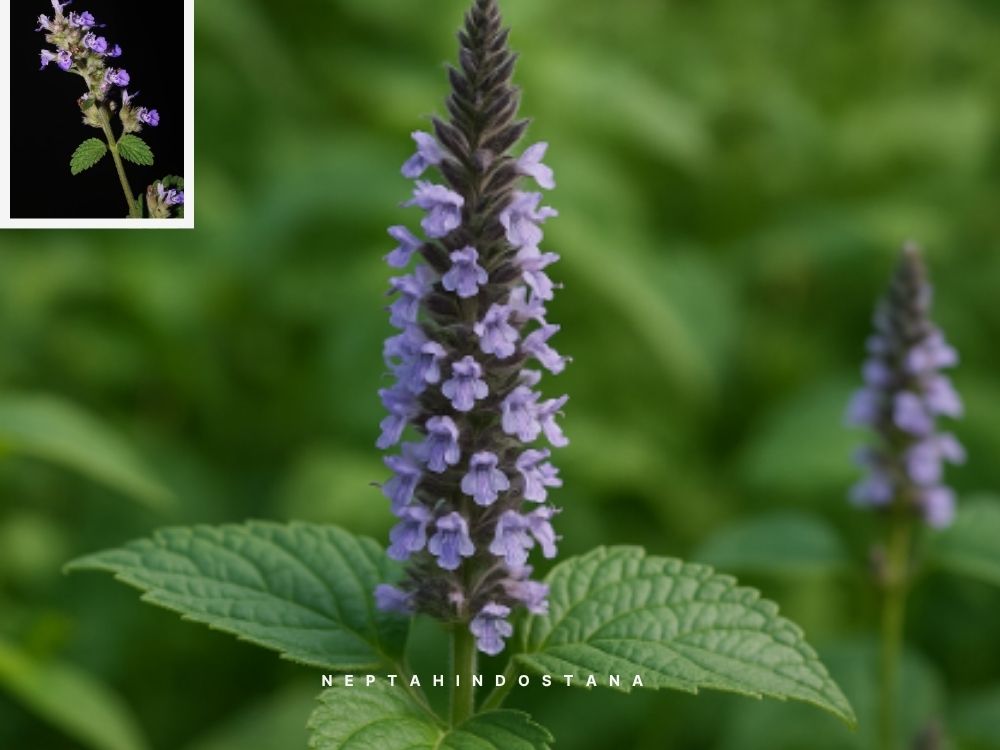
Lemon balm is a grass-like herb with a green to slightly blackish-yellow appearance and a mildly bitter taste. It produces numerous branches and grows abundantly under suitable conditions.
There are two main types of this herb:
1. Small Type:
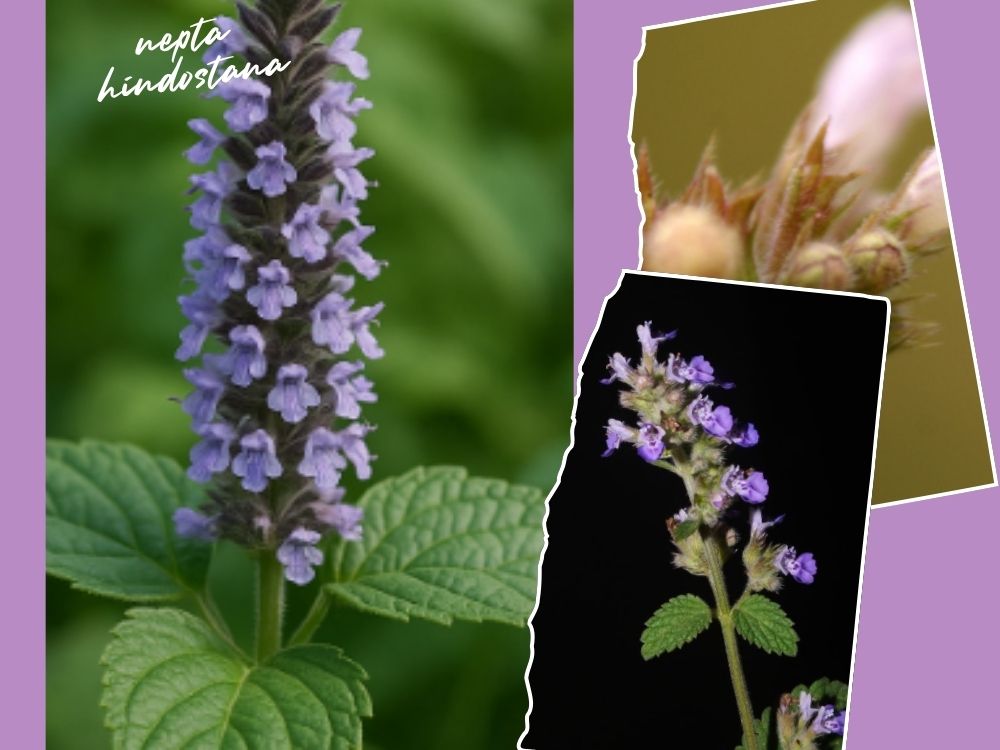
This variety has soft, narrow, and elongated leaves with serrated (toothed) edges. The plant is delicate and produces bluish to reddish flowers. It is often cooked and consumed like leafy greens.
2. Large Fragrant Type:
This type is more aromatic, with a strong lemon-like scent. The leaves are round, light green, and resemble basil leaves. The roots regenerate annually, producing fresh mint-like growth with multiple branches.
Habitat and Distribution
Lemon balm grows both in the wild and under cultivation. The white-flowered variety is commonly found in mountainous regions from Garhwal to Sikkim and the Khasi hills. The blue-flowered type is more widespread and is cultivated in regions such as Afghanistan, Punjab, Bengal, Central India, and South India.
Chemical Composition
The herb contains several important active compounds, including:
- Coumarin
- Glycosides
- Tannins (astringent properties)
- Volatile oil (slightly yellowish in color)
These components contribute to its medicinal value and therapeutic effects.
Pharmacological Actions
Lemon balm exhibits a wide range of medicinal actions, including:
- Heart tonic
- Astringent
- Blood purifier
- Soothing and calming agent
- Pain reliever
- Antipyretic (fever-reducing)
- Anti-inflammatory
Medicinal Uses
Lemon balm is widely used in traditional remedies for various health conditions:
- Supports digestion and relieves dyspepsia
- Helps in expelling gas and improving stomach function
- Strengthens the liver and heart
- Beneficial in heart weakness and mild cardiac conditions
- Useful in insomnia and mental stress
- Helps manage conditions like epilepsy and paralysis (supportive use)
- Effective in treating diarrhea, especially bloody diarrhea
- Applied externally for boils, swelling, and pain
- Leaf paste is used for insect bites, including scorpions and spiders
- Chewing the leaves helps eliminate bad breath
- May assist in relieving emotional distress, grief, and obsessive thoughts
It is also used as an ingredient in several traditional Unani formulations such as Khamera Abrisham Mastagi, Khamera Abrisham Sada, and Jawarish Mastagi.
Special Benefits
One of the most notable benefits of lemon balm is its ability to strengthen and relax the heart while also calming the nervous system.
Dosage
The recommended dosage is 5 to 7 grams, typically used in the form of decoction, infusion, or syrup.