



Introduction
False black pepper, botanically known as Embelia ribes and commonly called Vidanga or baobarang, is a medicinal climbing shrub widely used in traditional systems like Ayurveda and Unani medicine. Despite its name, it is not related to true black pepper but is valued for its powerful anti-parasitic and digestive properties.
Habitat and Distribution
This plant is commonly found in:
- India (especially Bombay, South India, Bengal, and Assam)
- Sri Lanka (Ceylon)
- Singapore
It thrives in hilly and tropical regions, where it grows as a climbing vine on nearby trees.
Botanical Characteristics
- Stem and Branches: A woody climbing vine with a stem about a foot thick. The branches are knotty, rough, and brown, and they climb over surrounding vegetation.
- Leaves:
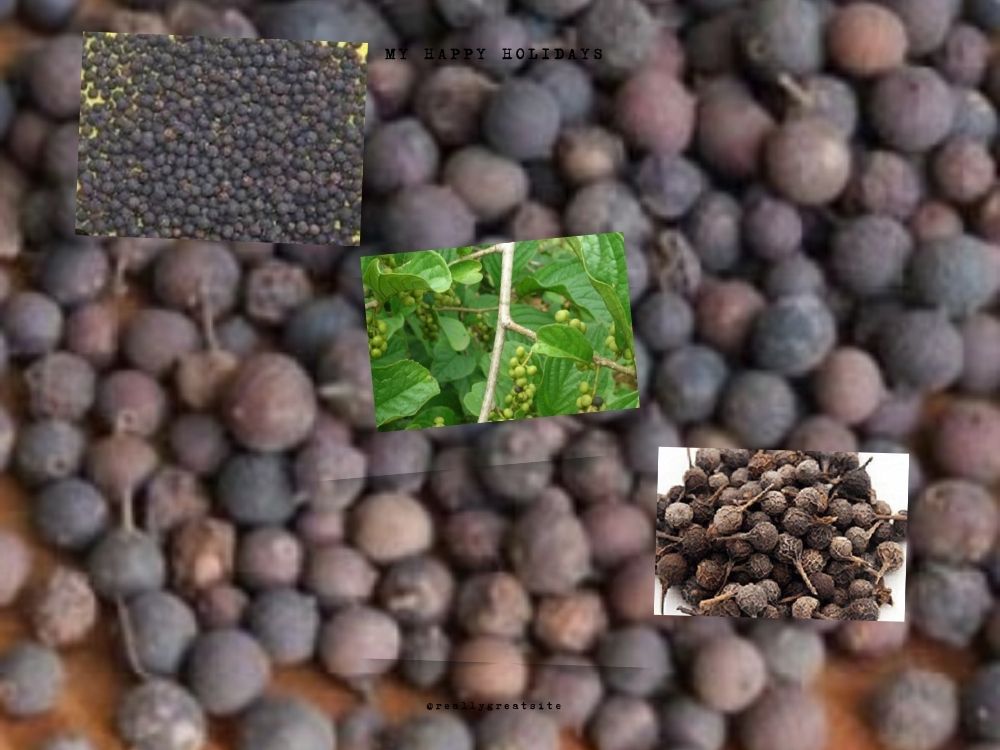
Leaves are round to oval, about 5–6 inches long, shiny on the surface, and softly hairy underneath. - Flowers:
Small greenish-white flowers that grow at the ends of branches. - Fruits:
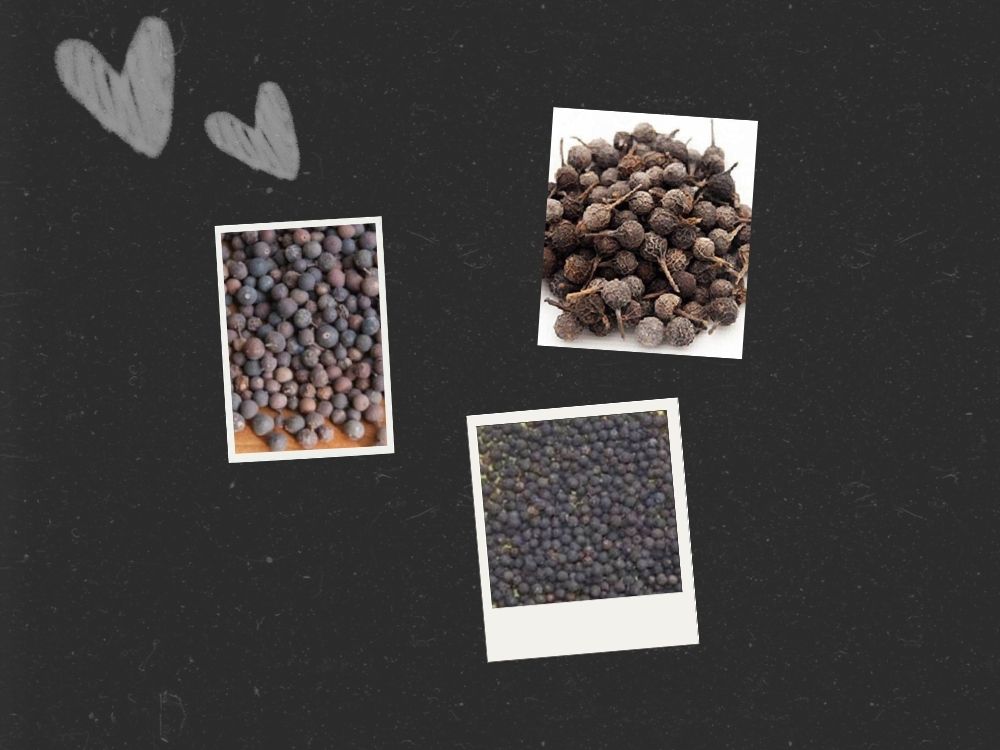
The fruits are round berries that turn red when ripe and black and wrinkled when dried. Each seed is surrounded by a reddish covering (bursa). - Taste:
The bark and fruit have an astringent and slightly aromatic taste.
Chemical Composition
False black pepper contains several important bioactive compounds:
- Embelin (Embelic acid): A yellow-colored active compound
- Volatile and non-volatile oils
- Tannins and resins
These constituents contribute to its medicinal effectiveness, especially in digestive and anti-parasitic treatments
Temperament (Traditional View)
- Hot and dry (second degree)
Pharmacological Actions
- Anthelmintic (kills intestinal worms)
- Carminative (relieves gas)
- Expectorant (helps remove thick phlegm)
- Digestive stimulant
Medicinal Uses
- Intestinal Worms:
Highly effective for expelling all types of stomach worms, particularly roundworms. - Digestive Disorders: Improves digestion and relieves gas, bloating, and stomach discomfort.
- Respiratory Relief:
Helps in removing thick and sticky phlegm. - Joint Pain:
Useful in conditions where phlegm accumulation contributes to joint pain.
Dosage
- Root or fruit powder: 1–2 grams (as traditionally recommended)
Note: Use under the guidance of a qualified practitioner.
Traditional Formulations
False black pepper is an ingredient in several classic preparations, such as:
- Atrial
- Majun Sarkhas
- Hab-e-Kasad
- Triaq Didan
- Other Unani and Ayurvedic formulations for worms and digestion
Another Variety (Tree Form—”Roni”)
Habitat
This variety grows in:
- Himalayan foothills (Kashmir to Assam and Bengal)
- Deccan Plateau
- Sri Lanka
- Also found in China and Kabul
It can grow at elevations of 6,000 to 12,000 feet, including areas like Almora.
Characteristics
- A tree resembling mulberry
- Leaves are similar to mulberry but slightly longer
- Blooms in spring season
Fruit
- Pomegranate-like in shape
- Greenish-gray color
- Contains kernel-like material inside
Temperament
- Moderately hot with a tendency toward dryness
Functions
- Astringent
- Gastric tonic
- Strengthens the stomach
Uses
- Beneficial for children’s digestive health
- Helps in strengthening the stomach
- Relieves gas, flatulence, and piles
Dosage
- Half to one grams (traditional measurement)