




Introduction
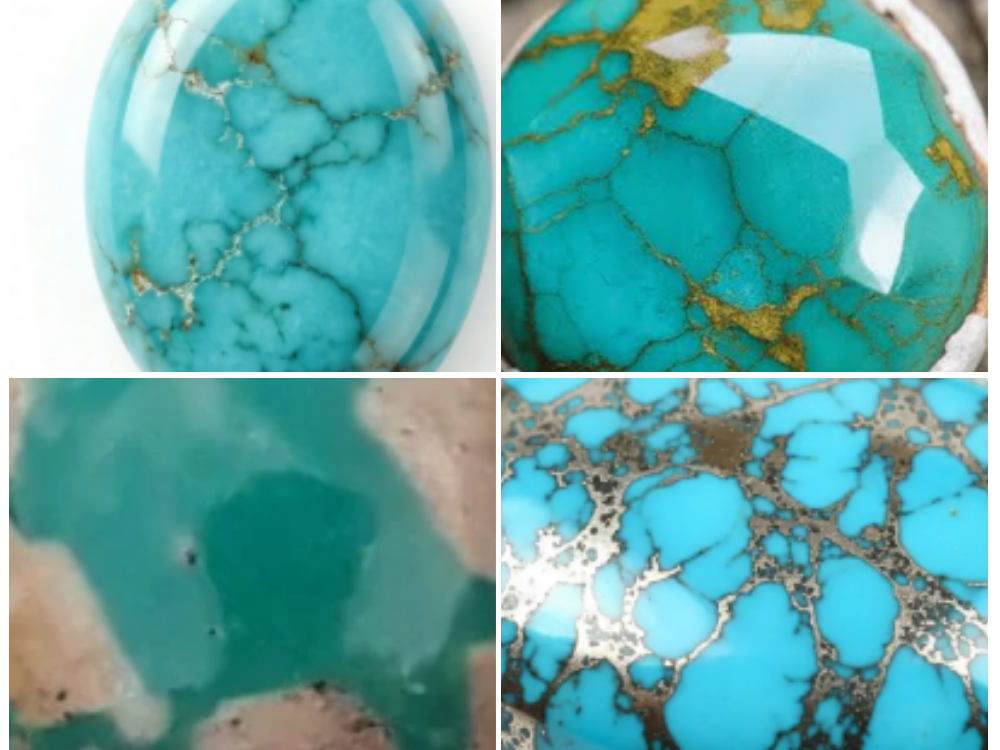
Turquoise is a greenish-blue gemstone. Traditionally, it is said to originate from regions including Nishapur, Bhutan, Kerman, and Shiraz. Among these varieties, Nishapuri turquoise is traditionally regarded as the finest.
Temperament
Turquoise is traditionally described as having a cold (first degree) and dry (third degree) temperament.
Traditional Actions
Turquoise is traditionally described as having the following properties:
- Antidotal against poisons
- Cardiac tonic and exhilarant
- Brain tonic
- Vision-strengthening
- Lithotriptic, traditionally believed to help break down and expel kidney and bladder stones
- Astringent
- Detergent and cleansing
Traditional Uses
Antidote for Poisons
In traditional medicine, turquoise was regarded as an antidote for various poisons. It was particularly claimed to neutralize the effects of scorpion stings.
Cardiac and Brain Tonic
Because of its traditionally described heart-strengthening, brain-tonic, and exhilarant properties, turquoise was used for palpitations, obsessive thoughts, epilepsy, and other neurological disorders.
Astringent
Its astringent properties were traditionally considered beneficial for diarrhea and intestinal ulcers.
Lithotriptic Uses
Turquoise was traditionally believed to help dissolve and expel kidney and bladder stones.
Traditional Eye Uses
When finely ground like surma (kohl), turquoise was traditionally used for various eye conditions, including:
- Jala—corneal opacity
- Phoola—leukoma
- Dhund—dimness or haziness of vision
- Zatvandi—night blindness
- General weakness of vision
Direct application of powdered gemstones to the eyes is not recommended, as it may cause irritation, abrasion, infection, or other eye injury.
Specific Benefit
Traditionally regarded as an exhilarant and tonic for the heart and brain.
Traditional Dosage
- Kushta (calcined form): 0.06–0.12 g (60–120 mg)
- Salaya (finely ground powder): 0.49–0.97 g