



Introduction
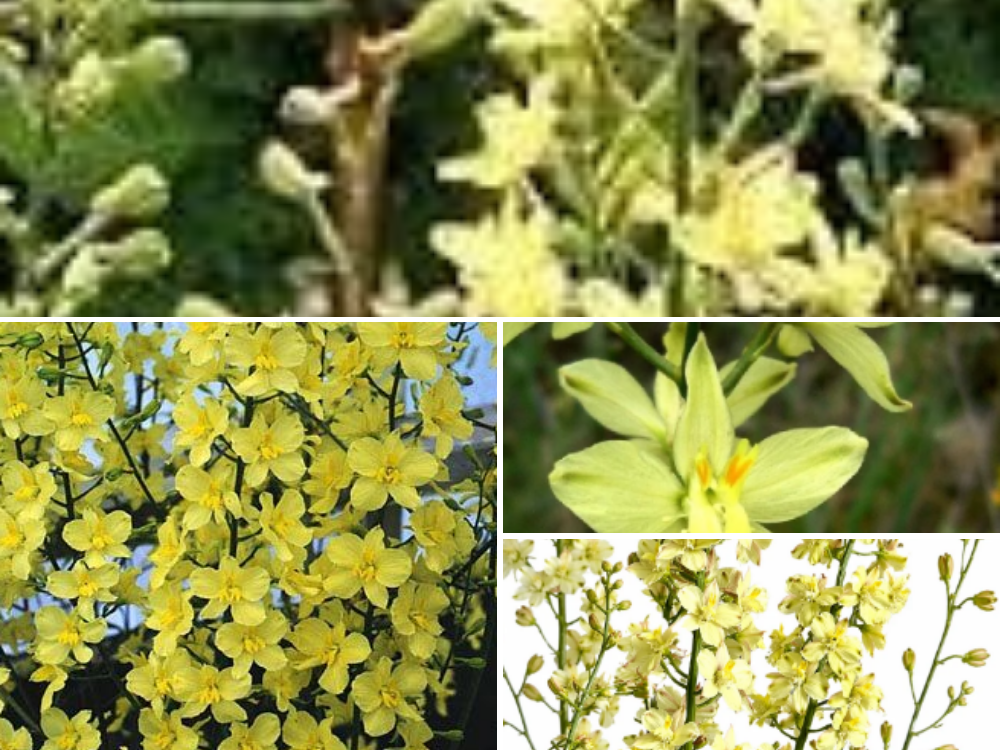
Zaliladelphinium is described in traditional medicine as a thorny herb with long, broad, hairy leaves. A flowering stalk emerges from the center of the leaves and bears clusters of flowers.
Flowers
The flowers are blue and resemble those of the water lily (Nymphaea). All parts of the plant have a bitter taste. Traditionally, both the flowers and the plant extract are used medicinally.
The plant is primarily found in Iran.
Temperament
Hot and dry, second degree.
Actions and Properties
Traditionally, Zaliladelphinium is described as having the following properties:
- Attenuant (thin, thickened, or morbid humors)
- Stomachic (strengthens the stomach)
- Blood purifier
- Diuretic
- Emmenagogue (traditionally used to promote menstruation)
- Galactagogue (traditionally used to promote lactation)
- Vascular stimulant
- Resolvent (helps dissolve accumulated humors)
- Detergent (cleansing without causing irritation)
- Deobstruct (helps relieve vascular obstructions)
- Purgative for black bile (Sauda)
Traditional Uses
Zaliladelphinium is traditionally used for inflammation of the liver and stomach, as well as hardening (induration) of the liver, stomach, and spleen. It is also used traditionally for cachexia and dropsy (Istisqa).
Because of its attenuant and traditionally diaphoretic properties, it is considered beneficial for chronic and complex fevers.
Its traditional blood-purifying, resolvent, and black-bile-purging properties have led to both internal and external use for various skin conditions, including scabies, pruritus (itching), alopecia areata (Da’ al-Tha’lab), and Da’ al-Hayyah, a traditional term describing serpiginous or snake-like skin lesions.
The extract is also traditionally used as an ingredient in various Ma’joons (electuaries) and Qurs (tablets).
Specific Benefit
Traditionally regarded as beneficial for relieving obstructions of the liver and spleen.
Traditional Dosage
4.9–6.8 g (approximately 5–7 g).
This is a conversion of the traditional dosage and should not be interpreted as an established modern therapeutic dose.