



Introduction
Tutiya-e-Akhdar, commonly known as blue vitriol or copper sulfate, is a chemical substance traditionally used in medicine, especially for external applications. It is recognized for its strong astringent and cleansing properties, but it must be handled with great caution due to its toxic nature.
Physical Description
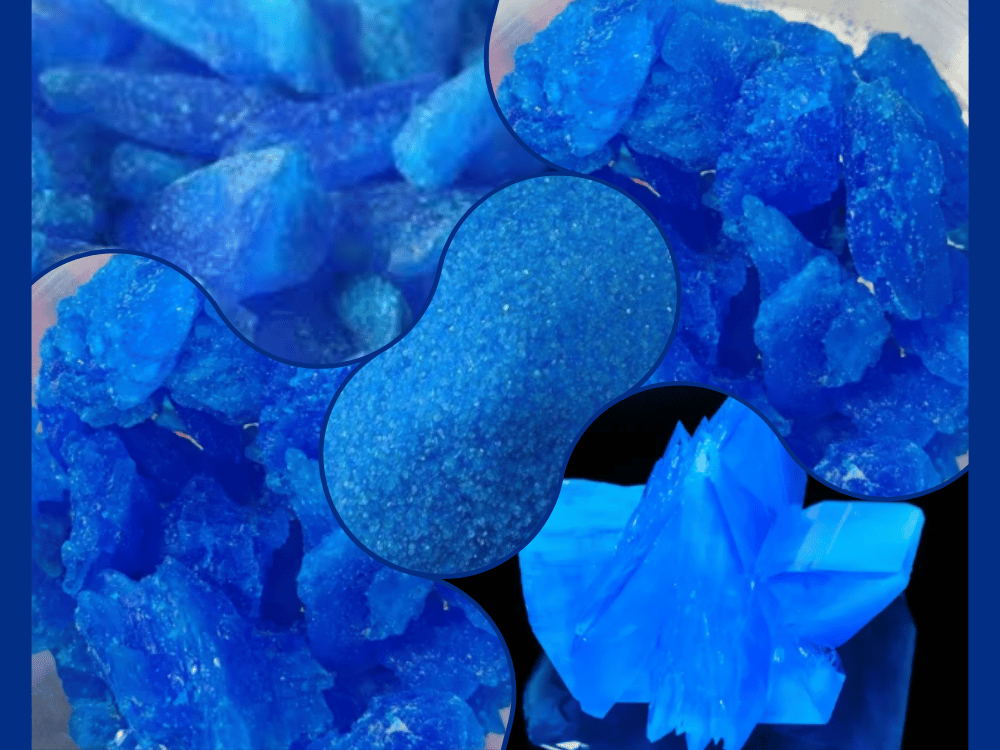
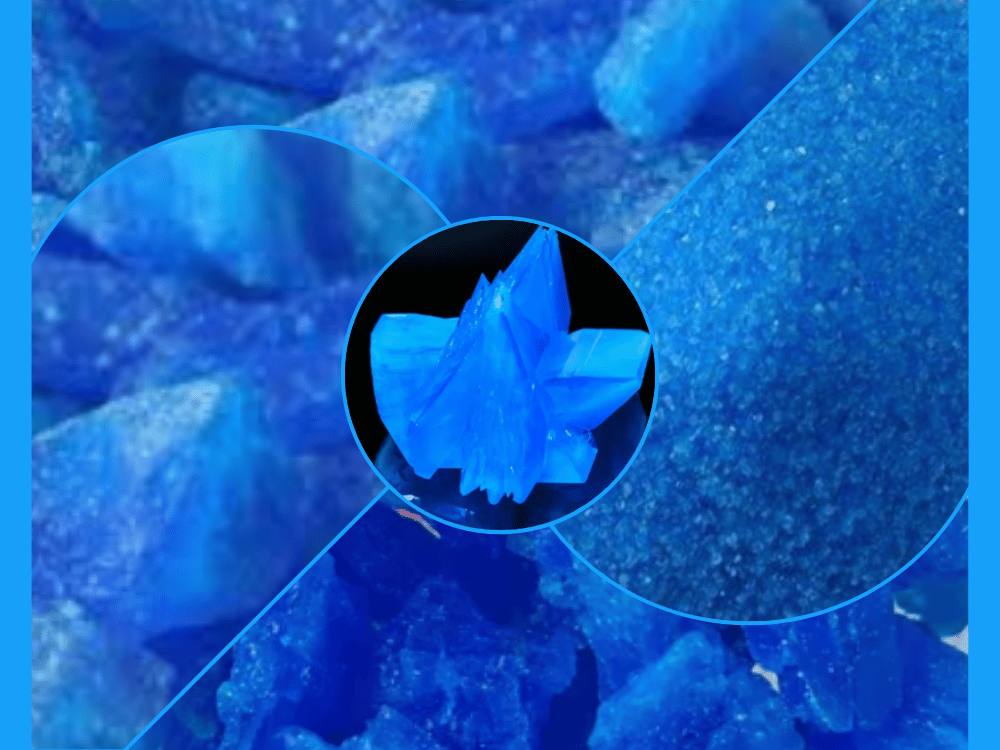
Green vitriol appears as
- Dark blue crystalline lumps or granules
- Astringent in taste
- Highly soluble in water
It is typically prepared by dissolving copper in sulfuric acid and then allowing it to crystallize.
Temperament (Traditional View)
In traditional medicine, it is considered the following:
- Hot and dry in the fourth degree (very strong and potent)
Pharmacological Actions
Green vitriol exhibits the following properties:
- Strong astringent
- Mild antiseptic
- Tissue cleansing agent
- Escharotic (removes unhealthy tissue)
- Nerve and blood tonic (traditional claim)
- Reduces excess phlegm
External Uses
Wound Care
- Cleans wounds by removing dead or infected tissue
- Promotes the formation of new tissue
- Acts as a local astringent when used in diluted form
Skin and Local Applications
- Applied (in very dilute form) to wounds, ulcers, and sores
- Used in traditional treatments for skin diseases
Eye and Other Conditions
- Historically used in eye conditions (only in extremely diluted form under expert care)
- Applied in some traditional treatments for rheumatism and chronic skin conditions
Reproductive and Urinary Applications
- Used in very dilute solutions for washing infected wounds
- Traditionally used in conditions like gonorrhea and uterine disorders (under strict supervision)
Internal Uses (Highly Restricted)
Internal use is dangerous and generally not recommended in modern practice.
Traditionally, it has been used in very small doses for:
- Diarrhea and dysentery (due to its astringent effect)
- Inducing vomiting in cases of poisoning
Toxicity and Poisoning
Harmful Effects
Green vitriol is poisonous, and improper use may lead to the following:
- Severe abdominal pain and cramps
- Blue or green-colored vomiting
- Dizziness and weakness
- Burning sensation in the digestive tract
- Itching and irritation
- Difficulty in urination
- Delirium and unconsciousness
If untreated, severe poisoning can be life-threatening.
Emergency Treatment (Traditional Reference)
In cases of poisoning:
- Immediate gastric lavage (stomach washing) is required
- Induce vomiting if appropriate
- Traditional remedies include egg white mixed with milk to soothe the stomach
Special Benefits
- Highly effective for wound cleaning and healing (external use only)
- Traditionally used for boils and ulcers when properly diluted
Precautions
- Always use in very small, controlled amounts
- Avoid internal use without professional supervision
- Never apply in concentrated form on sensitive tissues
- Keep away from children
Dosage (Traditional Reference)
- Extremely small quantities (measured in grains or drops)
- For emetic purposes: only a few drops in diluted form
These doses are not recommended for self-use.
Traditional Preparations
Green vitriol has been used in:
- Ointments for skin diseases
- Topical applications for wounds and ulcers
- Various compound traditional formulations