



Introduction
Copper is a well-known and widely used metal that has been valued by humans for thousands of years. It is used in utensils, tools, and traditional medicine. Due to its unique properties, copper holds an important place in both industrial and herbal practices.
Occurrence and Sources
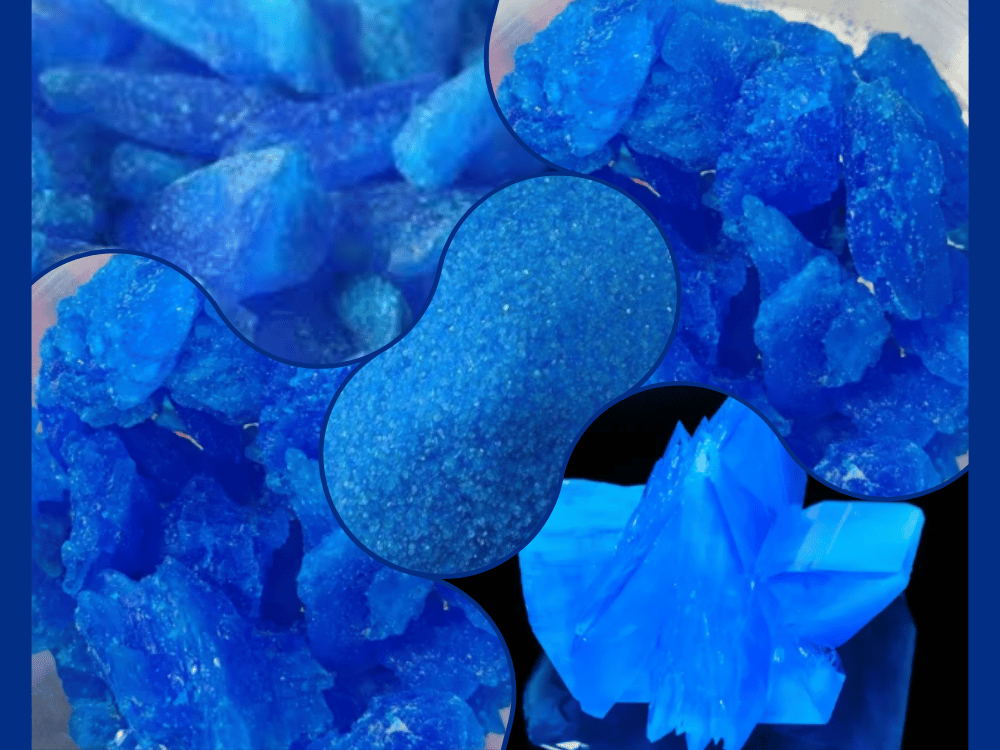
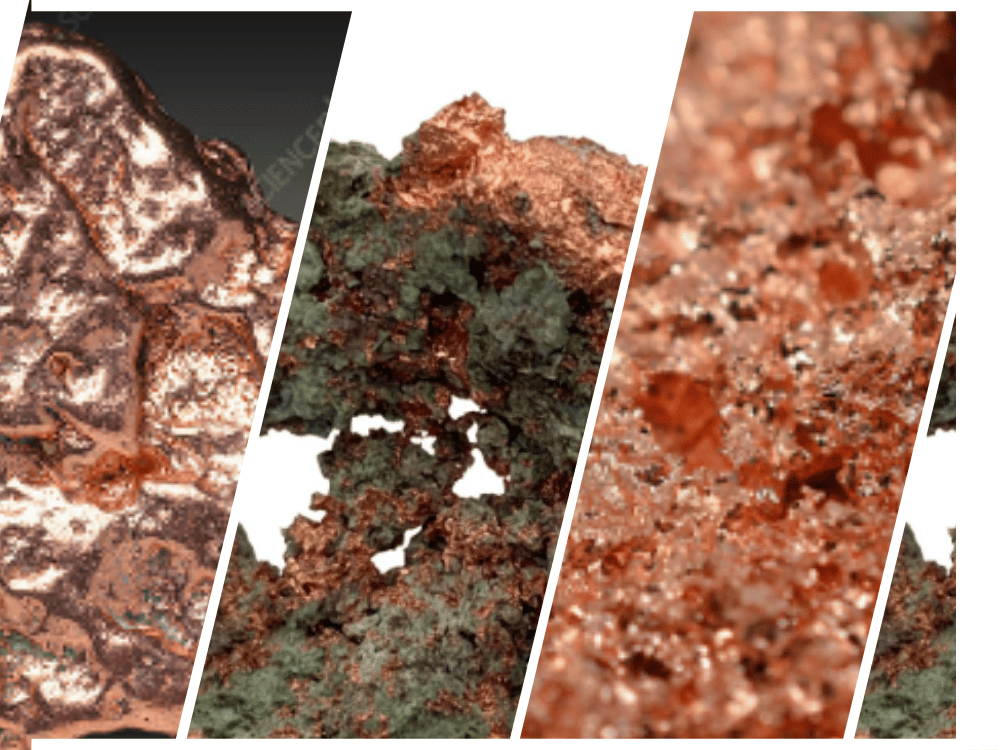
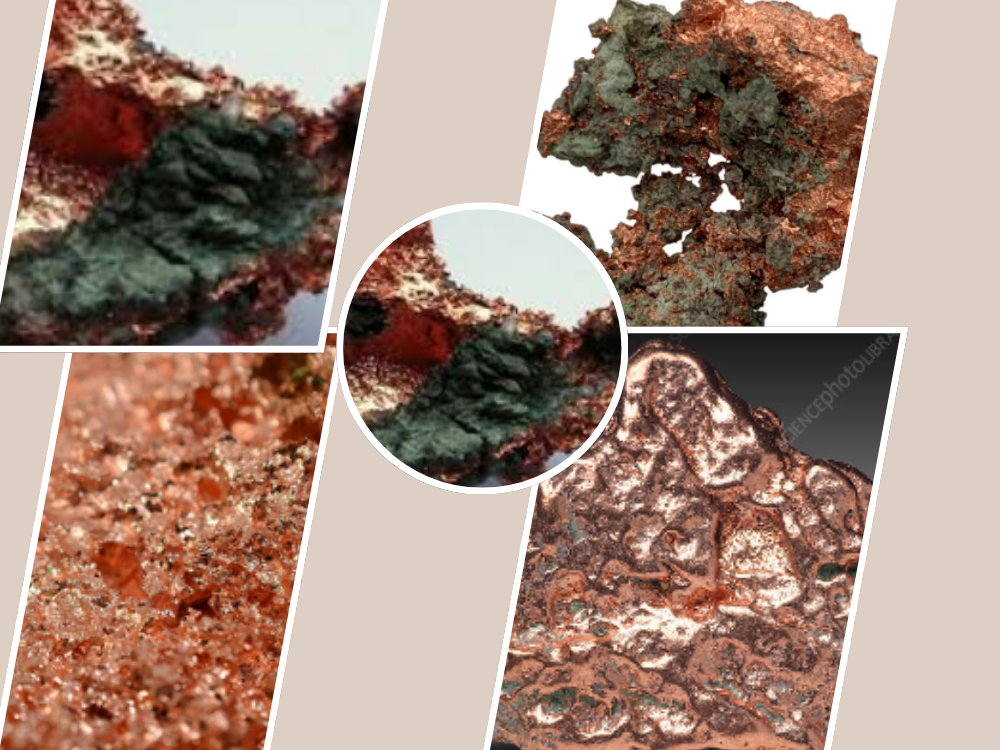
Copper is obtained from its natural ores, where it is found.
- In pure (native) form
- Combined with sulfur, oxygen, or iron
- As copper carbonate ores
It is processed and refined to produce usable metallic copper.
Physical Characteristics
- Color: Reddish-brown to yellowish-red
- Best quality: Bright red and shiny copper
- Texture: Malleable and ductile
- Weight: Approximately 9 times heavier than water (relative density)
Copper may also develop a greenish coating (patina) when exposed to air over time.
Major Sources and Distribution
High-quality copper is found in:
- Japan (noted for purity)
- India (where it is shaped into sheets and utensils)
- Iran (Kerman region)
- Cyprus (historically important source)
- Azerbaijan
Copper has been mined and used in many ancient civilizations, including Mesopotamia.
Alloys of Copper
Brass
- Made by mixing 10 parts copper with 1 part zinc
Bronze
- Made by combining 3–4 parts copper with 1 part tin
Other Alloys
Various traditional alloys are prepared by altering the proportions of copper with zinc or tin for different uses.
Temperament (Traditional View)
In traditional medicine, copper is considered to have a hot and dry temperament.
Pharmacological Actions (Traditional Claims)
Copper is traditionally believed to have the following properties:
- Body tonic
- Blood purifier
- Astringent
- Anti-phlegmatic (reduces excess mucus)
- Digestive stimulant
Traditional Uses
General Health
Copper has been traditionally used for:
- Strengthening the body
- Supporting heart and lung function
- Improving digestion
Respiratory Conditions
It has been used in managing:
- Cough
- Asthma
- Phlegmatic fever
Digestive and Liver Health
Copper is believed to help in:
- Stomach disorders
- Liver weakness
- Diarrhea
- Reducing flatulence
Other Traditional Uses
It has also been traditionally used in the following:
- Paralysis and general weakness
- Urinary disorders
- Skin conditions such as leprosy (historical use)
- Hemorrhoids and anemia
External and Household Uses
- Copper vessels are used to store water, which is believed to have antimicrobial benefits
- Tamarind or vinegar stored in copper vessels has been used traditionally for certain applications
- Copper compounds have been used externally in traditional remedies
Adverse Effects and Precautions
Improper use of copper may cause harmful effects, including the following:
- Nausea and vomiting
- Dizziness
- Burning sensation
- Stomach irritation
- Mouth and digestive tract problems
Important Note:
Copper should not be consumed directly or in unsafe forms. Excess intake can be toxic. Always use copper-related remedies under professional supervision.
Purification (Traditional Methods)
In traditional systems, copper is purified through repeated heating and quenching in substances such as the following:
- Buttermilk
- Oils
- Herbal liquids
These processes are believed to reduce harmful effects and make copper safer for medicinal use.
Special Benefits (Traditional View)
- Supports digestion
- Helps reduce phlegm
- Enhances overall vitality
Dosage
Traditional texts mention very small, processed doses. However, modern guidance strongly advises against self-medication with copper.
Only purified and professionally prepared forms should be used under expert supervision.