



Introduction
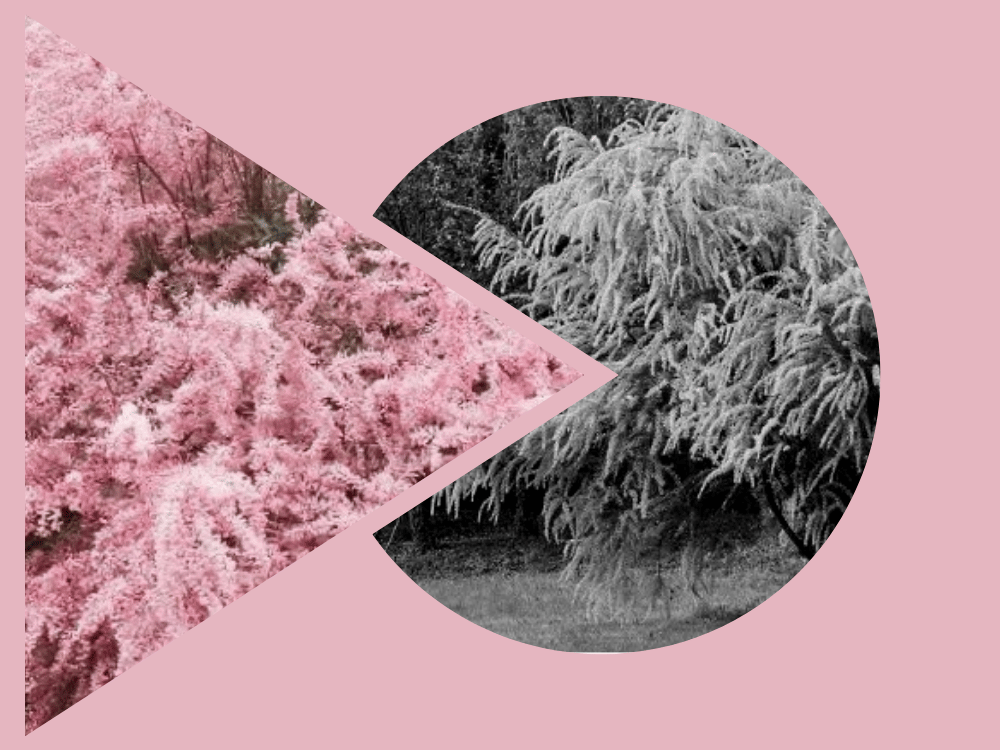
Tamarix gallica, commonly known as Jhau or tamarisk, is a small evergreen shrub or tree. It usually grows to a height of 6–12 feet and is commonly found along the banks of rivers, streams, ponds, and canals. The plant often grows in clusters. Its bark is rough and greenish-brown in color. The wood of its branches is reddish, straight, and smooth with white spots. Although durable, it is not very strong and is mainly used as fuel or for making baskets.
Leaves
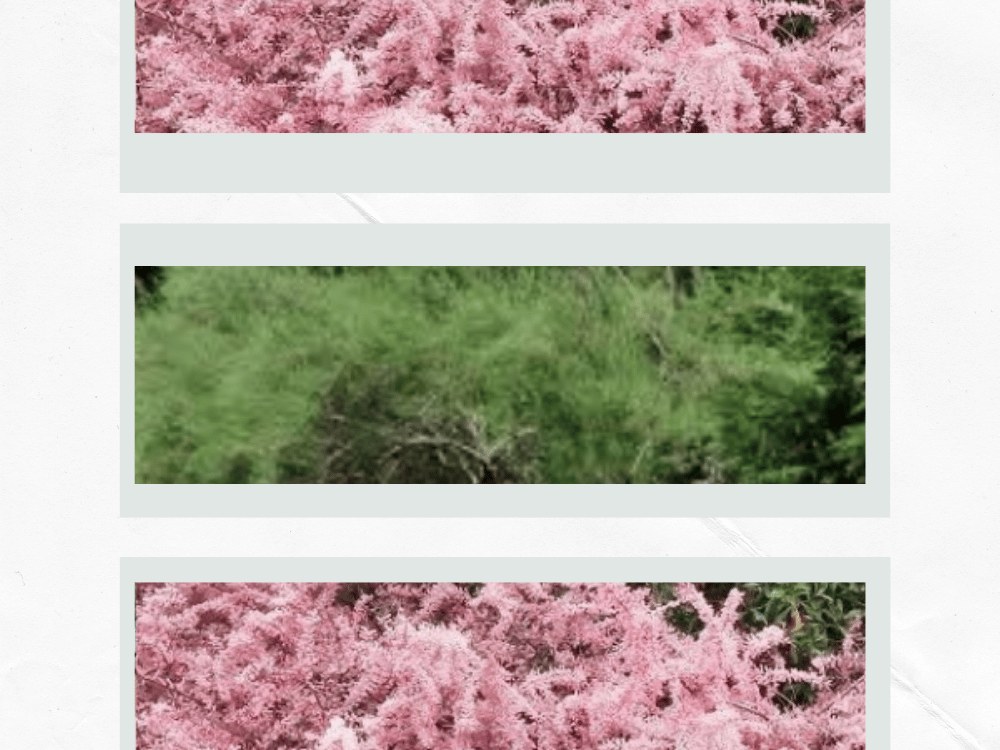
The leaves are small, elongated, and rounded. They are green in color and have a soft texture.
Flowers
The flowers appear from August to February. They grow in clusters and are either white or pink in color.
Fruit / Special Formation (Maain)
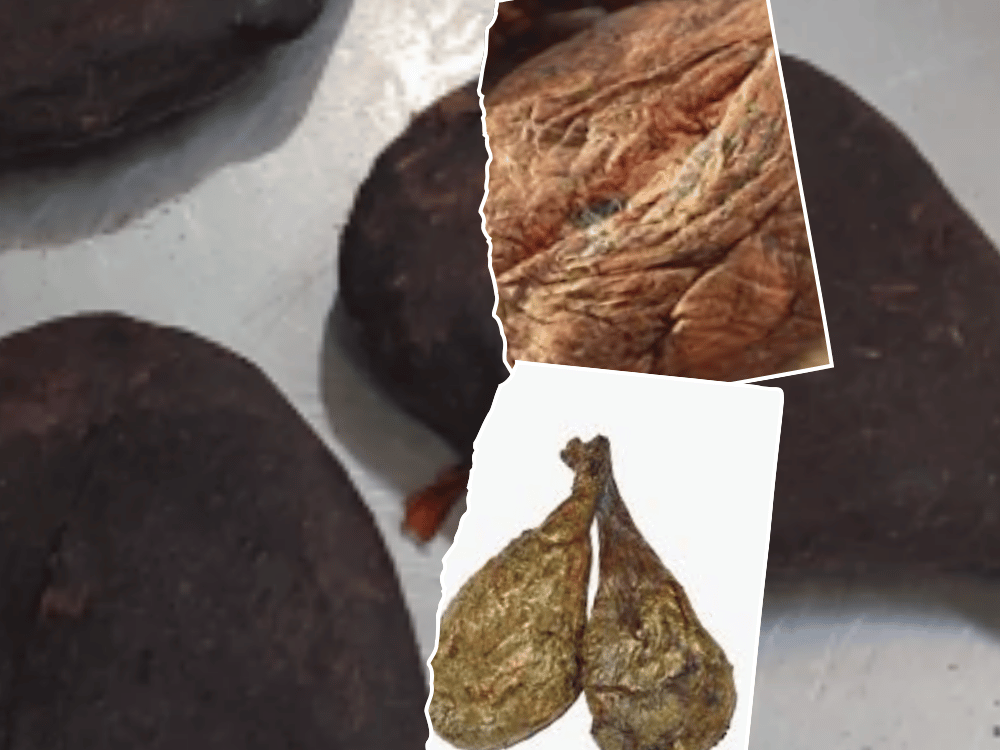
A special type of insect forms structures at the ends of the branches. These are round, fleshy, and seedless and are commonly referred to as “Maain.” They vary in size from small grain-like structures to larger masses.
- The larger, whitish structures are called Big Maain
- The smaller, reddish ones are called Small Maain
They are usually light to brownish in color.
Gazangbeen (Manna)
Gazangbeen is a sweet, honey-like substance obtained from Tamarisk trees. It is rarely found in India and Pakistan but is commonly obtained in Arabia and Iran. It has a sweet taste similar to honey and resembles thick sugary drops.
Types
There are generally two types of tamarisk:
- Large white Jhau
- Small red Jhau
A thorny variety is also found in Rajasthan.
Chemical Composition
The plant contains a high amount of tannic acid, which is responsible for its strong astringent properties. Plants growing near the sea may also contain salts.
Actions (Pharmacological Effects)
- Astringent
- Blood purifier
- Soothing
- Resolvent (reduces swelling)
Uses
Spleen and Swelling
Due to its astringent nature, it is effective in reducing soft swellings and gas. It is especially useful in treating enlargement of the spleen.
Skin Diseases
The smoke of the plant is used in conditions such as leprosy and infected boils, helping to dry and heal them.
Bleeding
The ash of the plant is applied to stop bleeding.
Infectious Conditions
It is beneficial in conditions like smallpox and piles (hemorrhoids).
External Use
A decoction of the leaves can be used internally, while a paste or poultice can be applied externally to reduce spleen swelling.
Salt Cedar / French Tamarisk
Introduction
Salt cedar, also known as French tamarisk, is a larger species compared to the common jhau (Tamarix gallica). It is a tall tree that may grow up to 30 feet in height, with a trunk about 3 feet in diameter. In some varieties, it can reach up to 80–85 feet tall.
Morphological Characteristics
- The tree is taller and stronger than the common Jhau.
- The inner bark is reddish in color.
- Leaves may appear reddish or purplish.
- Another variety resembles red Jhau in all aspects, including:
- Leaves
- Flowers
- Bark
Varieties
- Medium-sized type: Around 30 feet tall with a thick trunk
- Large type: Can grow up to 80–85 feet, with similar characteristics to red Jhau
Gazangbeen (Manna) – Chemical Composition
Gazangbeen, a sweet substance obtained from tamarisk, contains the following:
- Cane sugar (sucrose)
- Glucose (grape sugar)
- Dextrin (a white, starchy substance)
It has a sweet taste and a soft, semi-solid texture, resembling a natural sugary exudate.
Nature and Properties
Gazangbeen is considered highly beneficial in traditional medicine due to its nutritive and mild laxative properties. It is often regarded as a valuable natural substance because of both its composition and therapeutic effects.
Tamarix Galls
Introduction
Tamarix galls are abnormal growths formed on the tamarisk plant, usually as a result of insect activity. Their detailed description and composition are discussed under chemical medicines. They are valued in traditional medicine for their strong astringent and tonic properties.
Temperament (Mizaj)
- Cold and dry (first degree)
Actions (Pharmacological Effects)
- Tonic for the stomach
- Tonic for the liver
- Tonic for the spleen
- Astringent (Qabiz)