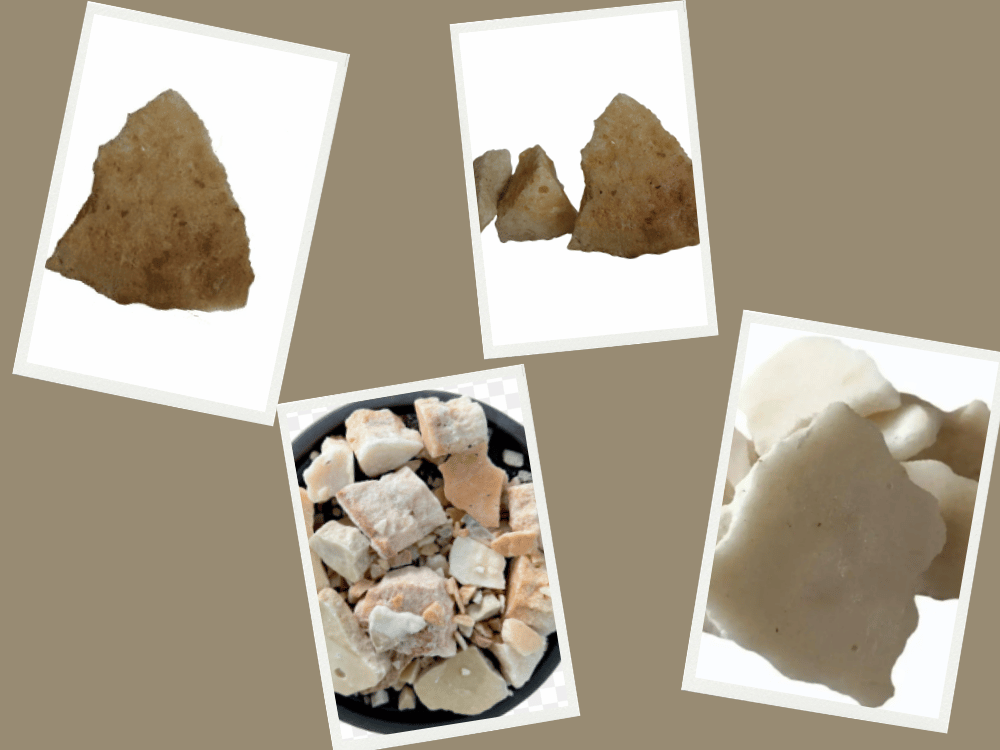




Introduction
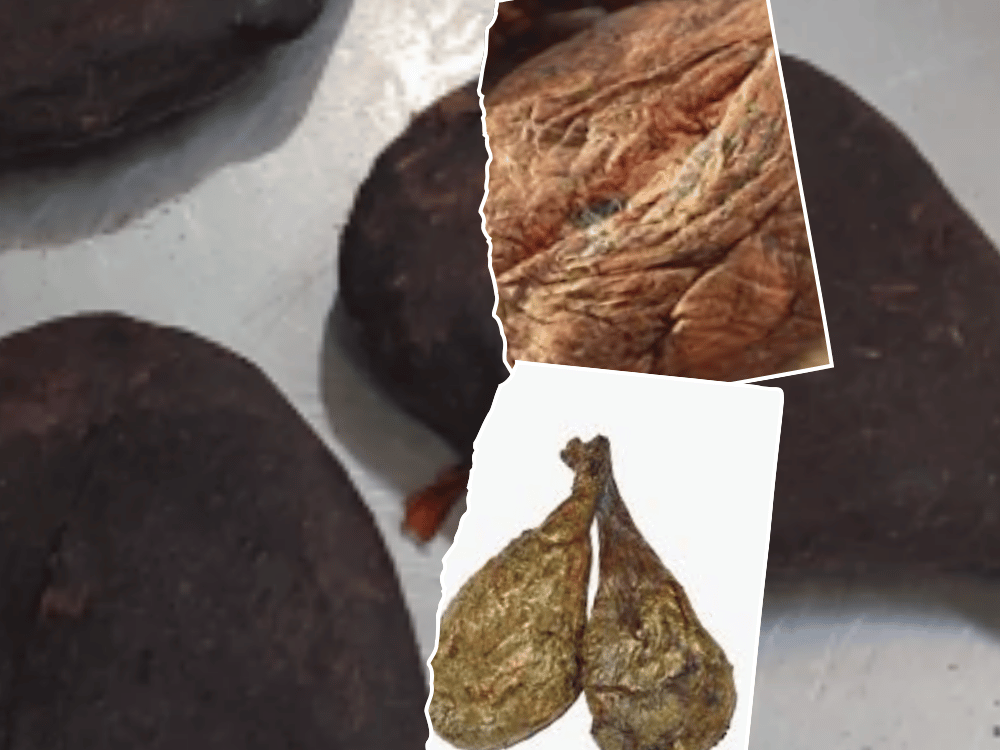
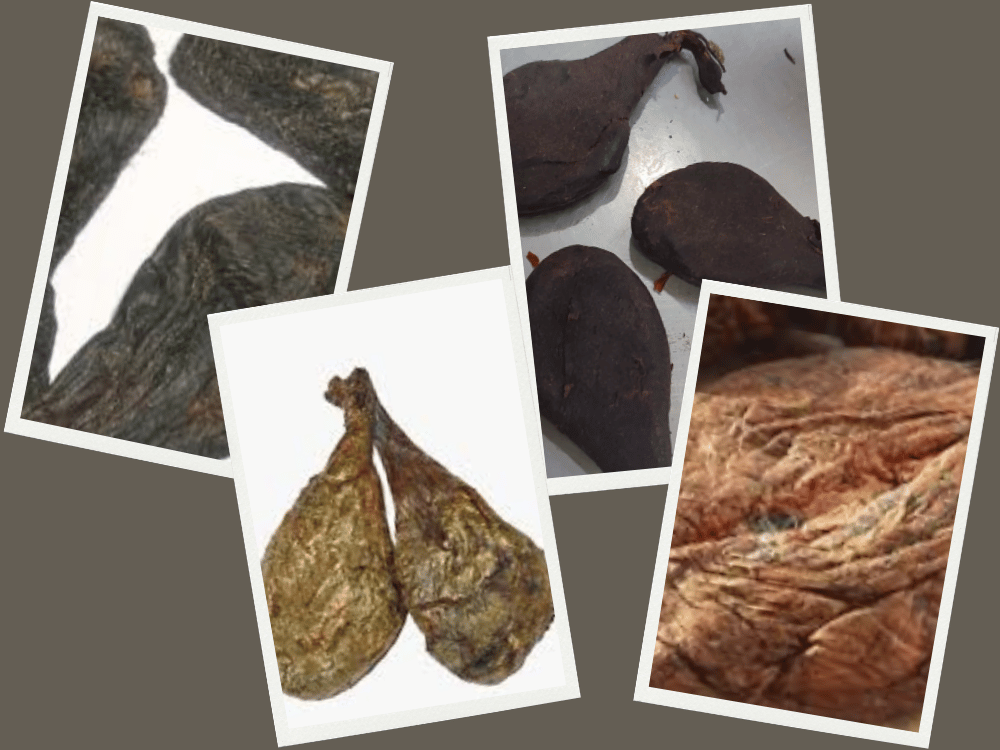
Castoreum is a natural animal-derived substance historically used in traditional medicine. There has been some disagreement about its origin, but it is generally accepted to be a secretion obtained from a glandular sac of a specific animal. It is found in the form of a small sac (about 2–3 inches long) containing a resinous material.
Freshly obtained castoreum has little odor or color, but after drying and aging, it develops a strong, characteristic fragrance. The substance inside is resinous and dissolves well in alcohol. It retains its effectiveness for up to three years, and in some cases, it may be preserved and used for 15–20 years.
Types
- Yellow (considered the best quality)
- Red
- Black
The best type is yellow, which is fragrant and easily breakable.
Temperament (Mizaj)
- Hot and dry
Actions (Pharmacological Effects)
- Antidote (Daf-e-Sumoom)
- Resolvent (Muhallil)
- Desiccant (Mujaffif)
- Analgesic (Musakkin-e-Auja)
- Nervine tonic (Muqawwi-e-Asab)
- Stimulant
Uses
Nervous System
- Useful in:
- Tremors
- Paralysis
- Facial palsy (Laqwa)
- Epilepsy
- Nervous weakness
Musculoskeletal System
- Relieves joint pain and stiffness
Respiratory System
- Beneficial in phlegmatic conditions
- Helps in respiratory disorders
General Effects
- Acts as a warming agent, helpful in cold conditions and flu
- Stimulates heart activity and internal heat
- Useful in conditions related to cold temperament and melancholy
Antidotal Use
- Considered an antidote to animal and plant poisons
- Particularly useful in childhood epilepsy
Methods of Use
- Used internally in very small doses
- Applied externally in certain formulations
Dosage
- ½ to 1 masha (approximately 0.5–1 gram, depending on preparation)
Compound Formulations
- Majoon Kalan
- Majoon Thalab
- Tila Khas Khas
- Hab-e-Sar
- Irq Ma’al-Lahm
- Ghabri preparations
Precautions
- Should be used in very small doses
- Excess use may cause overheating or irritation
- Always use under qualified medical supervision