



Introduction
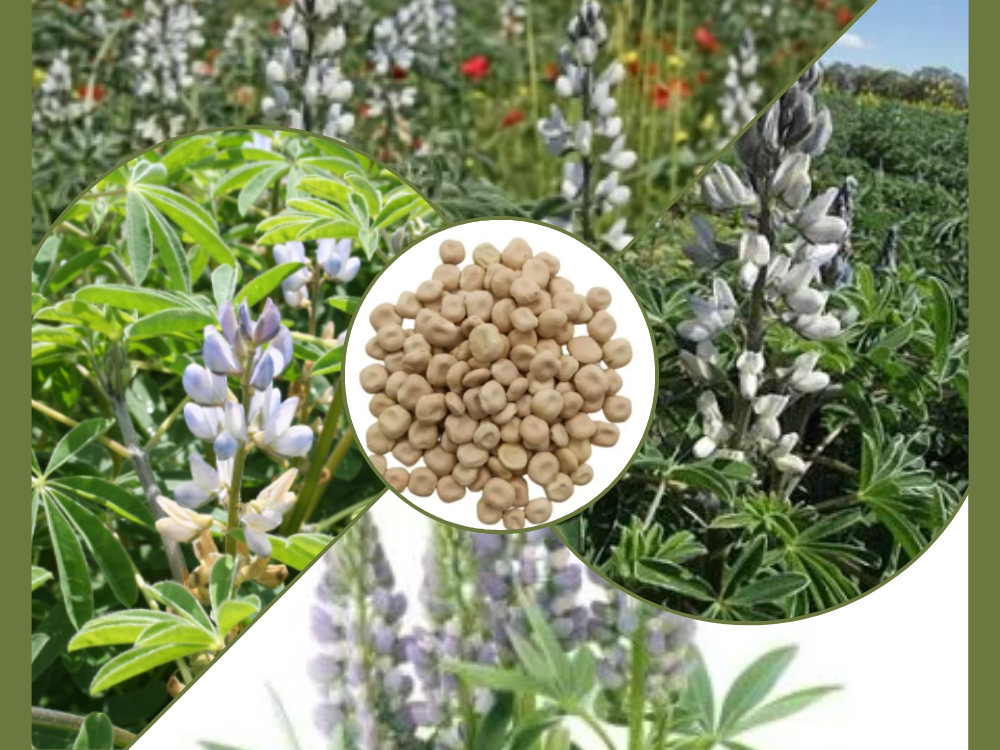
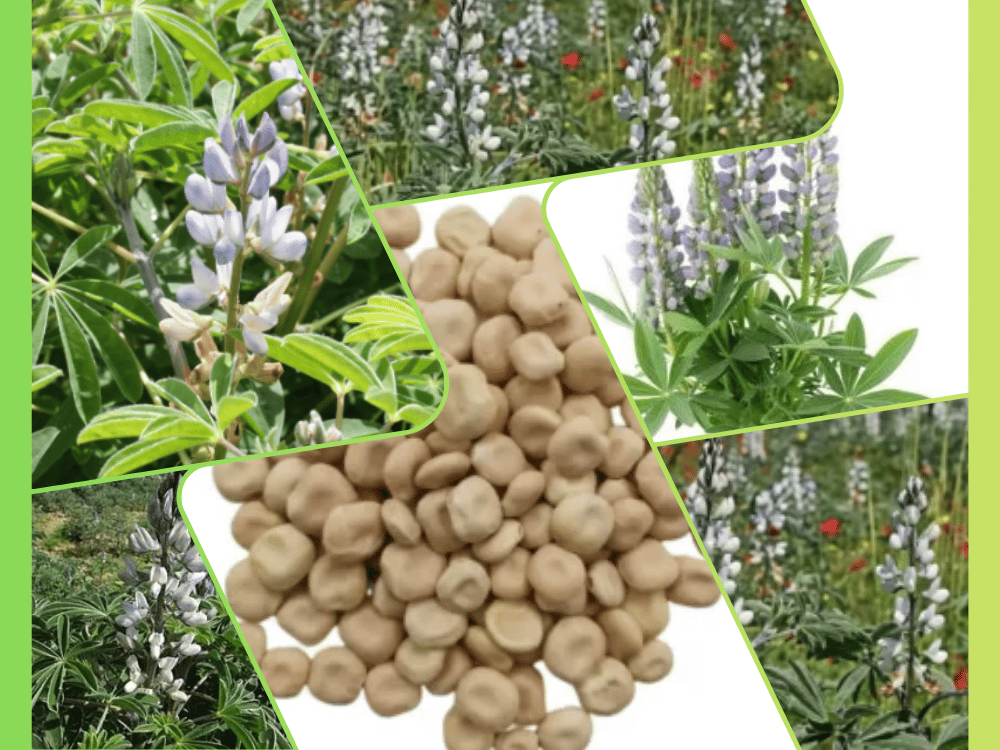
Lupin is a plant traditionally found in regions such as Egypt. It exists in two main varieties: cultivated and wild. Both types share similar flowers and general plant structure; however, the leaves of lupin are more delicate.
The seeds resemble those of lupin but are rounder, flatter, and slightly indented in the middle. They are typically small and white. The wild variety is considered more potent in its medicinal effects.
Types of Lupin
1. Cultivated Lupin
- Larger, thicker seeds
- More palatable and less bitter
- Heavier in nature
2. Wild Lupin
- Smaller and more bitter seeds
- Stronger medicinal properties
- Commonly used for therapeutic purposes
Chemical Constituents
Lupin contains several important alkaloids, including the following:
- Lupinine
- Lupanine
- Lupamine
Temperament
- Hot and dry in the second degree
Actions (Pharmacological Properties)
- Soothing
- Astringent
- Anti-inflammatory
- Aphrodisiac
- Anthelmintic (worm-killing)
- Potential anti-carcinogenic effects
Medicinal Uses
External Uses
- A paste made from lupin seeds helps to darken and soften hair
- Used in bathing animals to eliminate ticks, worms, and itching
- A poultice prepared from the flowers can be applied to the abdomen to expel intestinal worms
- Useful in treating leprosy, scurvy, and skin disorders
- Helps improve complexion and remove acne
- A vinegar-based poultice is beneficial for:
- Baldness
- Acne
- Chronic or infected wounds
Internal Uses
- The decoction helps in relieving the following:
- Cough
- Dropsy (fluid retention)
- Spleen disorders
- Bladder stones
- Supports the functioning of the liver and spleen
- Used along with other medicines to expel intestinal worms
- May be used in managing menstrual irregularities
Other Uses
- A strong decoction can be sprayed on walls to repel mosquitoes
Special Benefits
- Acts as a laxative
- Effective anthelmintic (worm killer)
Adverse Effects
- Heavy and difficult to digest
- Should be used cautiously in individuals with weak digestion
Correctives (Balancing Substances)
- Persian pepper
- Salt
Dosage
- 3 to 5 grams (as prescribed in traditional use)
Compound Preparations
Lupin is used in various traditional formulations, including:
- Atrifal-e-Deedan
- Anti-Deedan preparations
- Love-Deedan
- Sulfur-based poultices and other topical treatments