



Introduction
Anjbar, commonly known as bistort or knotgrass, is a well-known medicinal herb used in traditional healing systems, especially in Unani medicine. Although it is not mentioned in ancient Vedic texts, it gained importance in regions like Europe, Iran, and the Middle East for its effectiveness in treating various ailments, particularly digestive and respiratory disorders.
Botanical Description
Plant Structure
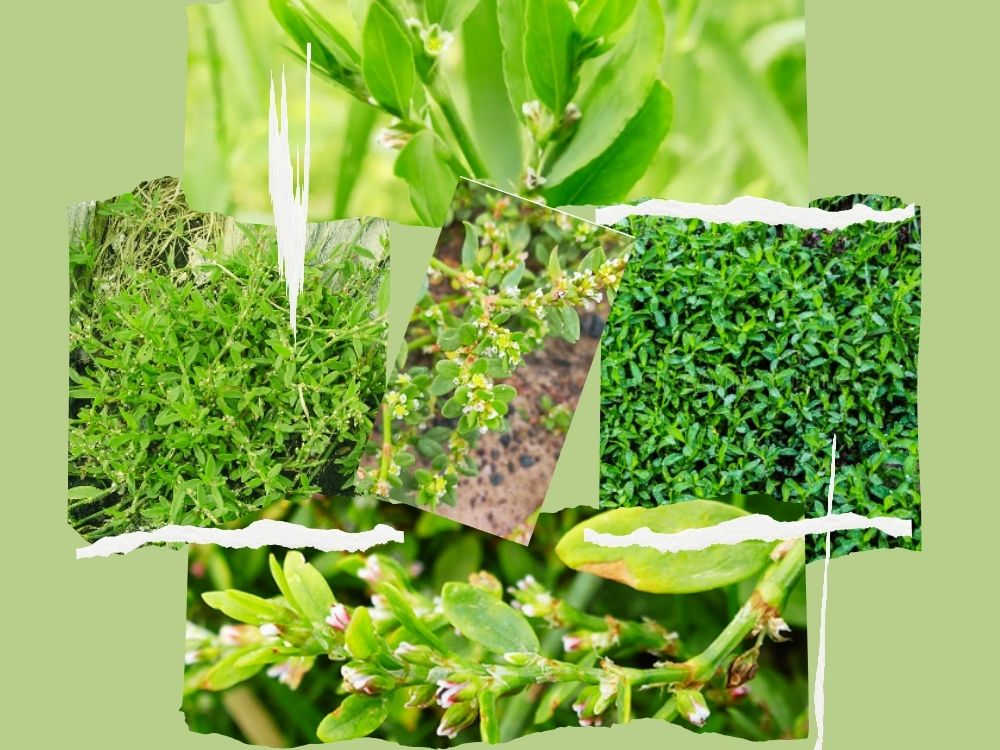
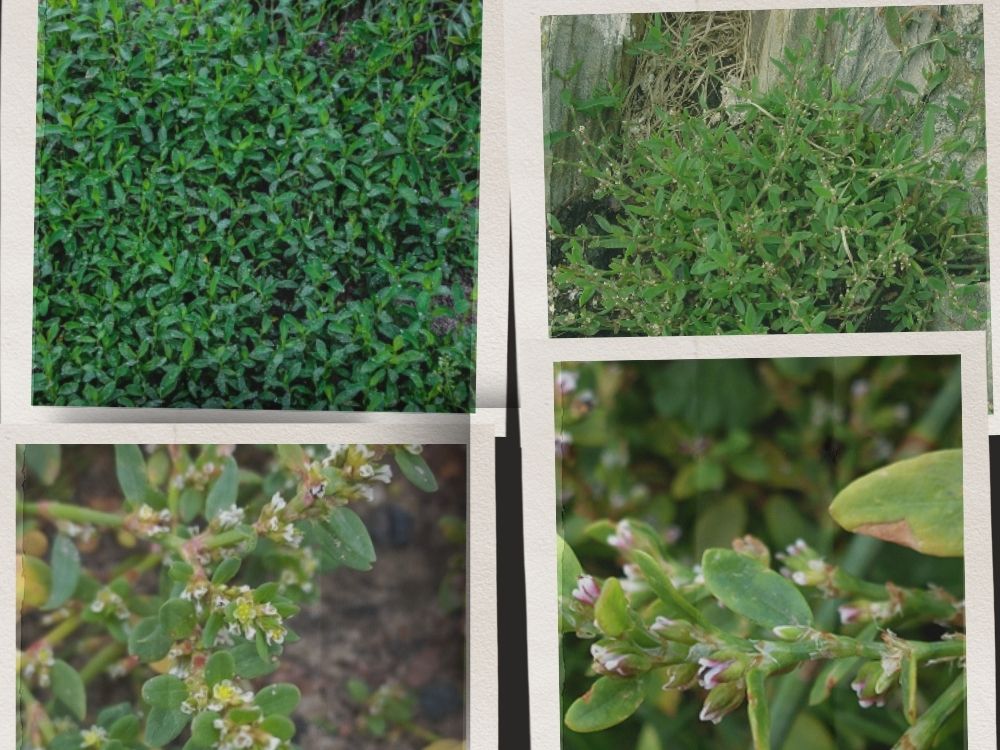
Anjbar is a moderately tall herb, typically growing between two and three feet in height, though it can reach up to six feet in regions like Syria. The plant has widely spreading branches that are rounded and characterized by numerous nodes.
Leaves
The leaves grow from the nodes and have a petiolate leaf stalk. They are approximately one inch long and may appear either rounded or slightly pointed with a lance-like shape. The edges are fringed and somewhat brittle, while the center remains smooth. The leaves are also covered with grayish stipules.
Flowers
The flowers of Anjbar are small and triangular in shape. They are red in color with white spots and grow in clusters resembling small umbrella-like formations.
Seeds
The seeds are small, triangular, and black in color.
Habitat and Distribution
Anjbar is cultivated in limited quantities in the subcontinent but is more commonly found in mountainous regions. It typically grows at altitudes of around 6,000 feet, especially in the Western Himalayas, including Kashmir and the Kumaon district of Uttar Pradesh. It is also found in Syria and widely produced in Iran and nearby regions.
Chemical Composition
Anjbar contains several important active compounds that contribute to its medicinal value, including the following:
- Gallic Acid
- Tannic Acid
- Polygonic Acid
- Essential Starch
- Calcium Oxalate
These compounds are known for their astringent, anti-inflammatory, and healing properties.
Types of Anjbar
There is another variety known as Anjbar Pool, scientifically called Polygonum viviparum. This type closely resembles Anjbar in both appearance and medicinal benefits.
Temperament (Mizaj)
According to Unani medicine, Anjbar has a cold and dry temperament in the first degree, making it suitable for balancing excess heat and moisture in the body.
Medicinal Actions
Anjbar is known for a wide range of therapeutic actions:
- Astringent (helps in tightening tissues)
- Stops bleeding (hemostatic)
- Relieves constipation without causing pain
- Purifies blood and bile
- Strengthens the stomach
- Acts as an aphrodisiac
Health Benefits and Uses
Digestive Health
Anjbar is highly effective in treating constipation, especially chronic or old stools, even when accompanied by bleeding. It also helps manage diarrhea and nausea.
Bleeding Disorders
It is widely used to stop bleeding from various parts of the body, including internal bleeding and bleeding wounds.
Urinary Issues
Anjbar is beneficial in conditions where pus is present in urine, helping to cleanse and heal the urinary tract.
Hemorrhoids and Wounds
It helps reduce hemorrhoids and can be applied externally as a poultice for bruises, sprains, and wounds to stop bleeding and promote healing.
Respiratory Support
It is also helpful in managing colds and related symptoms.
Popular Preparations
Anjbar is commonly used in the following forms:
- Anjbar Syrup (a well-known formulation)
- Anjbar Tablets
- Sufuf (herbal powder mixtures)
Classical Unani texts, such as The Treatment of Diseases by Hakim Abdul Hadi, frequently mention these preparations.
Dosage
The typical recommended dosage is 3 to 5 tablets, depending on the condition and formulation.