



Introduction
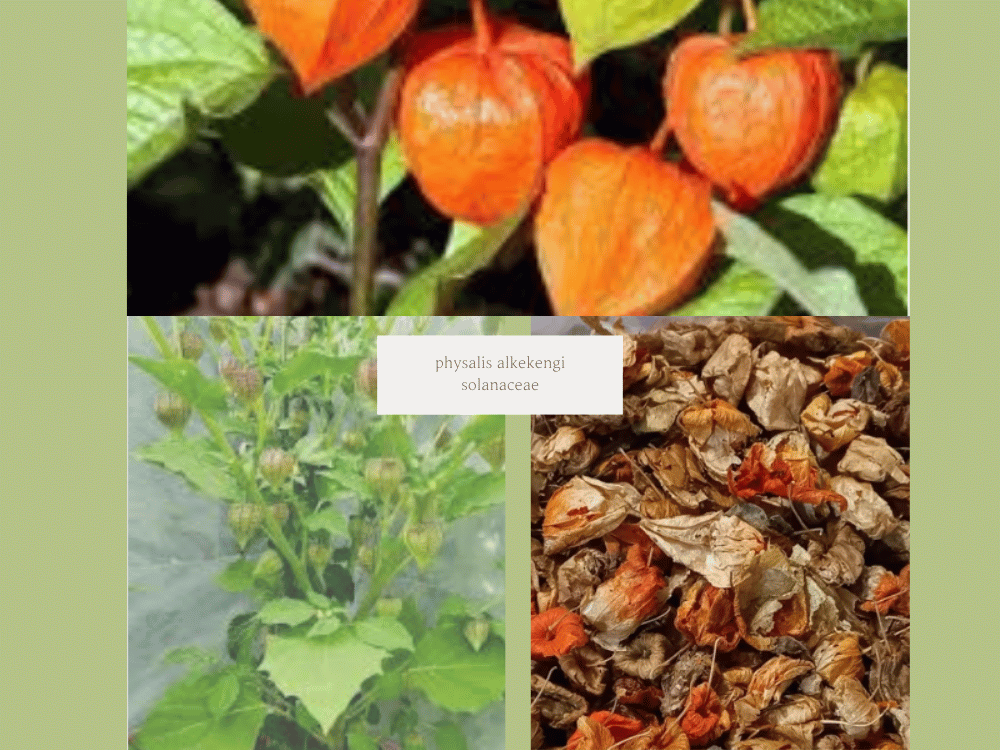
Physalis alkekengi, commonly known as Kakanj or Chinese lantern plant, is a medicinal herb used in traditional Unani medicine. It is Famous for its red, lantern-like fruit covering and its therapeutic effects on liver, kidney, and urinary disorders.
Morphology (Structure of Plant)
Plant
- Small shrub-like plant
- Slightly larger than its fruit
Fruit
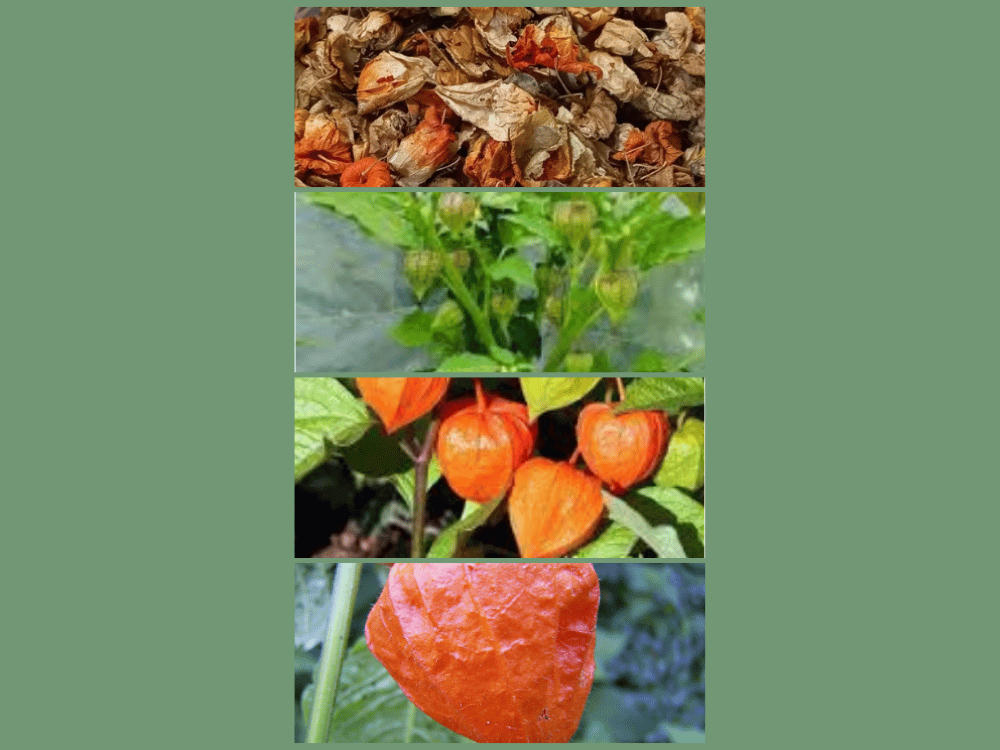
- Green when unripe
- Turns red when ripe
- Covered with a thin membranous sheath (husk)
- Contains small seeds
Leaves
- Length: 1–2 inches
- Covered with fine gray hairs
Flowers
- Colors include:
- Whitish
- Yellow
- Reddish
Types
- Kakanj Bustani (Garden type)
- Small plant
- Cultivated
- Kakanj Manum (Wild type / Anab-al-thaalab)
- Larger plant
- Bright red flowers
- Fruit enclosed in reddish-yellow sheath
- More toxic
Habitat (Distribution)
- Found in:
- Punjab
- Sindh
- Sutlej Valley
- Also grows naturally with crops in various regions
Chemical Composition
- Pectin
- Malic acid
- Citric acid
- Physaline
- Mineral compounds (including aluminum-magnesium)
Temperament (Mizaj)
- Cold & Dry (2nd degree)
- Wild type: Cold & Dry (3rd degree)
Pharmacological Actions
- Muhallil (anti-inflammatory)
- Qabiz (astringent / vasoconstrictor)
- Musleh-e-Jigar (liver tonic)
- Mudir (diuretic)
- Daf-e-Didan (anthelmintic)
- Mulattif (resolvent)
Medicinal Uses
1. Swelling
- Leaves used as poultice
- Reduces inflammation and swelling
2. Liver Disorders
- Helpful in:
- Jaundice
- Liver enlargement
- Biliary diseases
3. Kidney & Urinary Diseases
- Used for:
- Kidney stones
- Bladder infections
- UTIs
- Ulcers of urinary organs
4. Worm Infestation
- Juice used to:
- Kill and expel intestinal worms
Toxicity & Safety
Warning:
- Wild variety is poisonous
- Excess intake may cause:
- Drowsiness
- Mental fatigue
- Loss of consciousness
- Madness
Severe Poisoning Symptoms
- Dry and black tongue
- Hiccups
- Bloody saliva
- Bloody diarrhea
- Ulcers
- Can lead to death
Treatment of Poisoning
- Induce vomiting immediately
- Use lichen root as traditional antidote
Other Uses
- Used in milk coagulation (cheese making)
- Improves texture and prevents sourness
Special Benefit
- Promotes strong bile flow
Dosage
- 5–7 grams (safe dose)
- Avoid excessive use
Formulations
- Used in:
- Tablets (Habb)
- Ointments (Marham)
- Example preparations:
- Hajra Lahiyud ointment
- Scorpion ointment