



Introduction
Asrol, scientifically known as Rauvolfia serpentina, is a highly important medicinal herb used in traditional and modern medicine. Known for its strong effects on the nervous system and blood pressure, Asrol has been widely used for centuries in treating mental, neurological, and cardiovascular conditions.
Plant Description
Asrol is a small, straight-growing plant that typically reaches a height of about one and a half feet, although in some cases it may grow up to two or three feet. The plant becomes more structured and upright as it matures over a few years.
Leaf Characteristics
The leaves of Asrol are broad, pointed, and yellowish-green in color. Each leaf has a short stalk of about half an inch. When broken, the leaves release a milky substance, which is a characteristic feature of the plant.
Flowers and Fruit
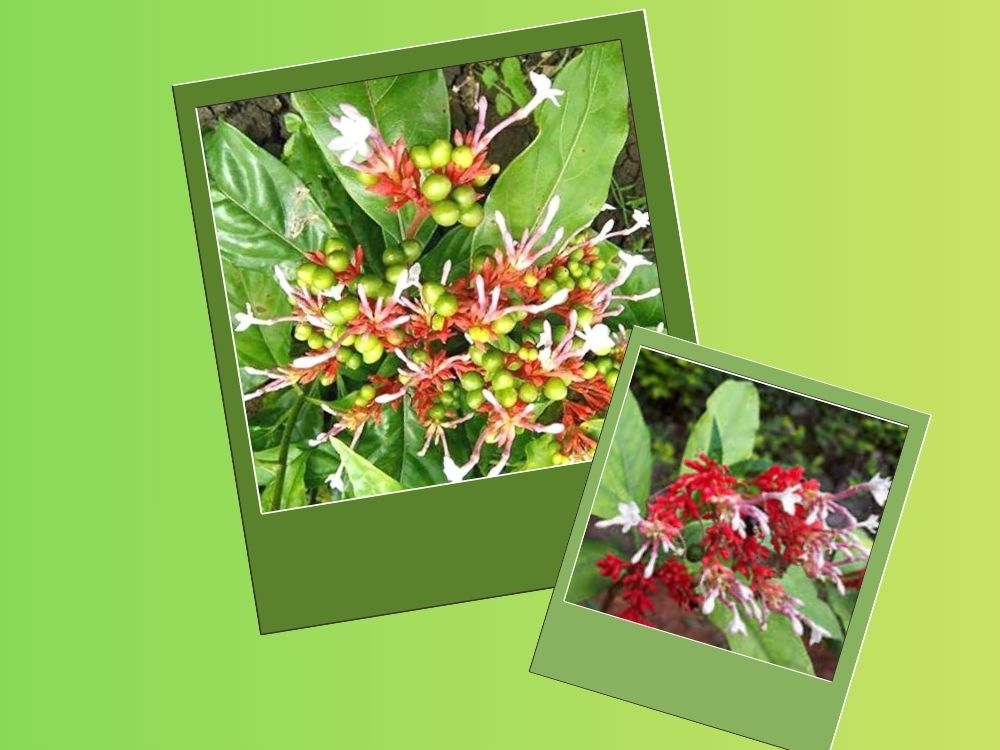
The plant produces small flowers that are either white or purple in color. Its fruit grows in clusters, initially appearing yellow-green like small pumpkins and later turning red upon ripening. The flowering season typically lasts from April to November, while the fruits begin to appear in May and fully ripen by November.
Bark and Root Description
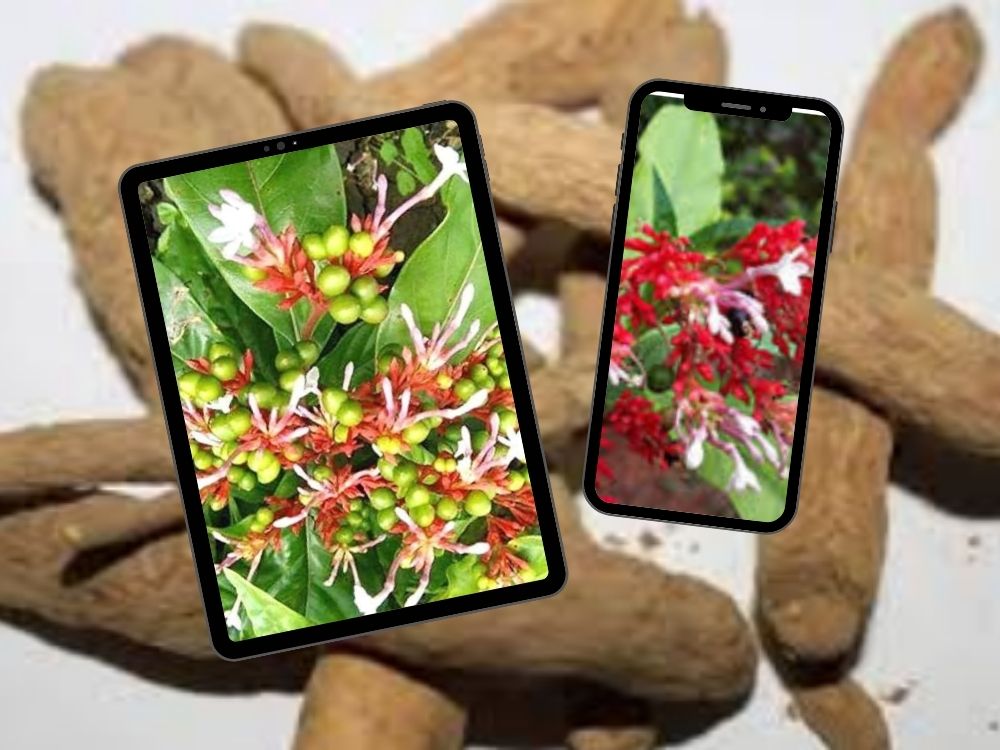
The plant’s bark is brown in color. However, the most valuable medicinal part of Asrol is its root. The root is thick, measuring two to six inches in length and about half an inch in thickness. It has a grayish-brown color with a soft outer bark that can be easily peeled off. The root surface often shows longitudinal cracks, and when broken, it splits into small pieces. Although it has no noticeable smell, it has a very bitter taste. For medicinal purposes, the root or its bark is primarily used.
Habitat and Distribution
Asrol is commonly found in the warmer regions of the Himalayas at altitudes of around 4,000 feet. It grows in hot and humid soils across the Himalayan foothills, extending to regions such as Punjab, Sutlej, and Yamuna. It is also found in shaded and cool areas from Dehradun to Gorakhpur, as well as in Bihar, Assam, Sikkim, and the Deccan region. Beyond India, it is cultivated in countries like Nepal, Myanmar (Burma), Thailand, and other parts of Southeast Asia. Large quantities of its roots are produced for medicinal use.
Chemical Composition
Asrol contains several important chemical compounds, particularly alkaloids from the ajmaline group. These compounds are responsible for its medicinal effects, especially in regulating blood pressure and calming the nervous system. It also contains starchy and gummy substances, small amounts of iron, oleic acid (referred to as “Euclidean”), potassium carbonate, phosphates, silicates, and other bioactive elements.
Significant research on these compounds was first conducted in India by Salimuzzaman Siddiqui at the Medical College of Delhi, where the therapeutic potential of the plant was scientifically explored.
Temperament (Mizaj)
In traditional medicine, Asrol is considered to have a mixed temperament but is generally described as cold and dry in nature. This makes it particularly useful in calming excessive heat and activity within the body.
Medicinal Actions
Asrol acts as a powerful sedative and nerve relaxant. It has calming effects on the brain and nervous system, making it effective in reducing stress, anxiety, and neurological disturbances. It is also known as an antidote to certain poisons and functions as a tonic for the uterus.
Health Benefits and Uses
Asrol is widely used for managing high blood pressure, as it helps relax blood vessels and calm the nervous system. When taken regularly, it reduces hypertension and promotes overall cardiovascular health.
It is also beneficial in treating neurological and mental conditions such as insomnia, hysteria, epilepsy, and melancholia. Its sedative properties help induce sleep when taken in the evening and improve mental stability.
In traditional medicine, it has been used for treating spasms and calming nerve-related disorders. It is also known to support uterine health by strengthening and contracting uterine muscles when needed. The root was historically used to treat venomous animal bites, and the pulp was used to treat fever.
Special Applications
Asrol has been incorporated into both traditional and modern medicinal systems. In allopathic medicine, its extracts are used in tablets designed to control high blood pressure. In traditional remedies, it is often combined with black pepper in formulations like Al-Shifa, which is considered beneficial for multiple ailments.
Dosage
The recommended dosage of Asrol typically ranges from one teaspoon to four teaspoons, depending on the preparation and condition being treated.
Herbal Formulations
Asrol is used in several herbal mixtures and formulations, including well-known preparations such as Al-Shifa and other compound remedies that enhance its effectiveness for treating various conditions.