



Importance of the Nose
The nose is one of the most important organs of the human body. It allows us to breathe by taking in oxygen, which is essential for life. If the nose becomes blocked for any reason, breathing becomes difficult and may even cause a feeling of suffocation. In addition to breathing, the nose also provides us with the sense of smell.
Structure of the Nose
The nose has two main parts: the outer visible part and the inner air passages. The inner part is divided into two sections by a central wall. Inside, a soft membrane lines the nasal cavity and contains tiny hairs. These hairs act as a filter, preventing dust and harmful particles from entering the body during breathing.
Connections of the Nose
The internal structure of the nose is connected to several important parts of the body. It connects to the throat, eye sockets through tear ducts, and even parts of the skull and jaw. Because of these connections, any inflammation or swelling in the nose can affect nearby areas, sometimes leading to headaches or discomfort.
Sense of Smell
.The upper part of the nasal cavity is responsible for the sense of smell. Special nerve fibers, known as olfactory nerves, detect different odors. When we inhale, tiny particles in the air attach to these nerve fibers, which then send signals to the brain. The brain interprets these signals, allowing us to distinguish between pleasant and unpleasant smells.
Smell plays an important role in daily life. It helps us detect dangers such as smoke or spoiled food and also enhances our enjoyment of pleasant fragrances like flowers and fresh meals. During colds or nasal blockage, the sense of smell is reduced, which can also affect the sense of taste.
Hygiene and Care of the Nose
Keeping the nose clean is essential for proper breathing and health. Negligence can lead to swelling of the inner membrane, causing blockage. Cleaning the nose with lukewarm salt water can help maintain hygiene and relieve congestion. Maintaining personal cleanliness also protects us from harmful odors and diseases.
Honey and Its Benefits
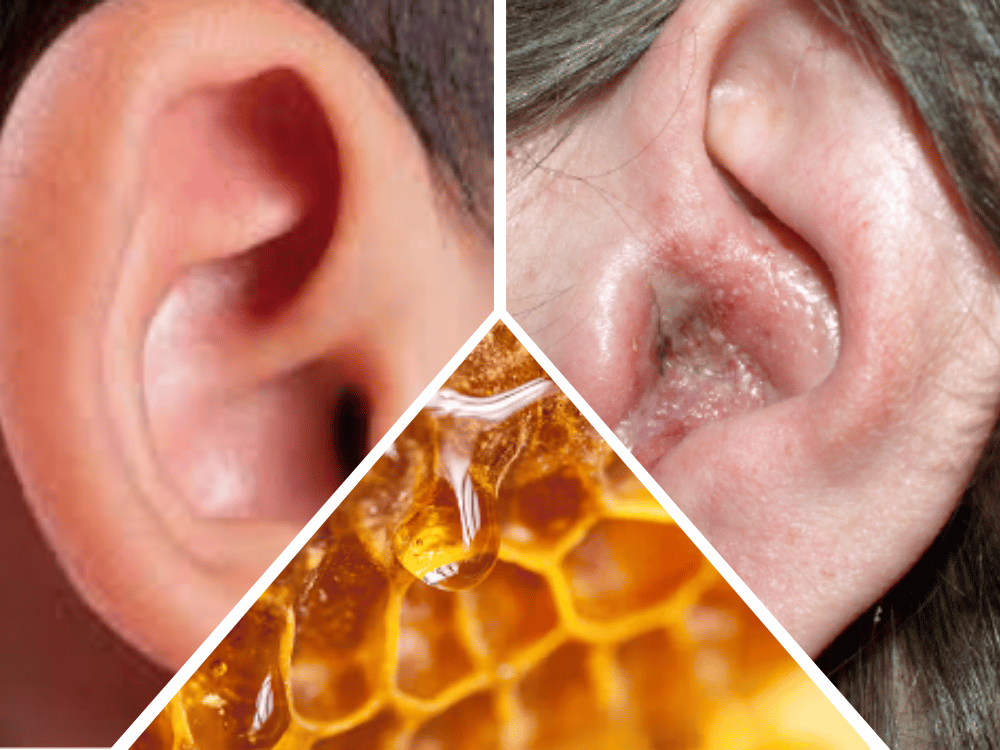
Honey is traditionally considered beneficial for nasal health. It is believed to have soothing and antimicrobial properties. In some traditional practices, a few drops of honey are used to help relieve nasal blockage and irritation.
However, since the nasal passages are sensitive, any remedy should be used carefully. It is always advisable to consult a medical professional before trying such treatments to ensure safety and effectiveness.
What is Nazla and Zukam?
When mucus discharge occurs from the nose, it is called Zukam (cold), and when it flows down into the throat, it is called Nazla. This condition is often linked to (weakness) of the nerves and reduced immunity of the mucous membranes in the nose and throat.
Causes and Nature of the Disease
This problem can occur repeatedly due to minor factors such as heat, cold weather, dust, or environmental changes. If not treated properly, it may become chronic, affecting the glands of the nose and throat. During treatment, it is important to use both internal (oral) and external remedies to reduce irritation. Gargling with salt water or baking soda is considered helpful for soothing the throat.
Pandemic Flu (Severe Influenza)
This is a serious form of flu that can spread rapidly like an epidemic. Historically, such outbreaks have caused widespread illness and death. Early symptoms include body weakness, heaviness in the head, itching in the throat and nose, burning in the eyes, sneezing, mild fever, and chills.
In severe cases, symptoms intensify and may lead to complications like pneumonia, which can be life-threatening. Traditional practices consider honey beneficial in supporting recovery during such conditions.
Simple Remedies
Simple Remedies for Phlegmy Cold
Ingredients: Lemon juice (2 tola), pure honey (2 tola)
Preparation: Mix fresh lemon juice with honey and store in a container.
Usage: Take half a tola three times a day. In severe cases, it can be taken 4–5 times daily. Adding a little lukewarm water may enhance relief.
Simple Remedy for Common Cold
Ingredients: Pure honey (5 tola), onion juice (5 tola)
Preparation: Mix well and store in a cool, dry place.
Ingredients: Lemon juice (2 tola), pure honey (2 tola)
Preparation: Mix fresh lemon juice with honey and store in a container.
Usage: Take half a tola three times a day. In severe cases, it can be taken 4–5 times daily. Adding a little lukewarm water may enhance relief.
Usage: Use fresh during illness. Take several times a day. Since colds are contagious, rest and isolation are recommended. For chronic conditions, continue use for a longer duration.
Remedy for Cold and Flu (Honey & Ginger)
Ingredients: Pure honey (2 tola), ginger extract (6 masha)
Preparation: Mix thoroughly.
Usage: Take half a tola with lukewarm water, three times daily. This is considered a simple and effective traditional remedy.
Herbal Remedy for Cold, Flu, and Cough
Ingredients: Ajwain Khorasani, saffron, black pepper, cinnamon, Aqir Qarha, Mustagi, Dar-i-Ful, cloves, nutmeg, and pure honey (½ kg)
Preparation: Grind all ingredients (except honey) finely and mix with honey. Store in a clean jar in a cool place.
Usage: Take three tablespoons three times daily. This mixture is traditionally believed to help relieve cold, cough, and strengthen the body, including the brain and lungs.
Precautions and Care
Colds and flu spread easily, so proper care is essential. Rest, hygiene, and avoiding exposure to cold or contaminated environments are important. While traditional remedies like honey are widely used, severe symptoms or prolonged illness should always be evaluated by a healthcare professional.