



Introduction
The human body is a remarkable system in which every organ performs its own function with precision and balance. Each part works in harmony with the others, ensuring that the body operates smoothly and efficiently. Even during sleep, many essential bodily functions continue without conscious effort. Likewise, in unconsciousness, vital processes such as breathing, circulation, and metabolism remain active.
The Brain: The Body’s Control Center
When we need nourishment, we naturally experience hunger and thirst. In response, the brain directs our body to search for food. It coordinates the movement of our legs to walk, our hands to pick up food, our mouth and jaws to chew, and our throat to swallow. After swallowing, the stomach and intestines begin digesting and absorbing nutrients. We also instinctively select foods that appeal to us while avoiding those that appear harmful or unpleasant. These complex actions demonstrate the brain’s remarkable ability to coordinate countless bodily functions.
The brain continuously sends signals to our muscles and organs, instructing them when to act and when to rest. Every part of the body responds to these commands, making the brain the body’s central control center, responsible for supervising and coordinating all physical activities.
How the Brain Communicates with the Nervous System
The brain functions like a highly advanced communication network. It constantly receives messages from every part of the body through the nervous system and processes this information within fractions of a second. Based on these signals, it sends precise instructions that enable the body to respond effectively to changing conditions.
Functions of the Brain
The brain performs many essential functions that support everyday life, including:
- Controlling body movement and coordination
- Enabling speech and communication
- Processing touch, sight, hearing, taste, and smell
- Regulating the perception of temperature and pain
- Storing and recalling memories
- Supporting learning, reasoning, and decision-making
- Managing emotions and behavior
- Helping us distinguish between right and wrong
Because the brain controls virtually every organ and body system, maintaining its health is essential for overall well-being.
Why Brain Health Matters
A healthy brain supports clear thinking, emotional balance, proper coordination, and effective communication throughout the nervous system. When brain function is impaired, other parts of the body may become uncoordinated or fail to perform their roles properly, disrupting the body’s overall balance and efficiency.
Structure and Protection of the Brain
The brain is safely enclosed within the skull, a strong bony structure that protects this delicate organ from injury. Since brain tissue is soft and fragile, it is surrounded by protective membranes and cushioned by cerebrospinal fluid, which absorbs shocks and helps protect the brain from damage. The scalp, consisting of several layers of tissue and hair, provides additional protection.
Among all living creatures, the human brain is the most highly developed. This extraordinary organ enables humans to think creatively, reason logically, communicate through language, and solve complex problems, setting us apart from other animals.
For easier understanding, the brain is commonly divided into four major parts, each responsible for specific functions. These parts will be discussed in the following sections.
Honey and Brain Health
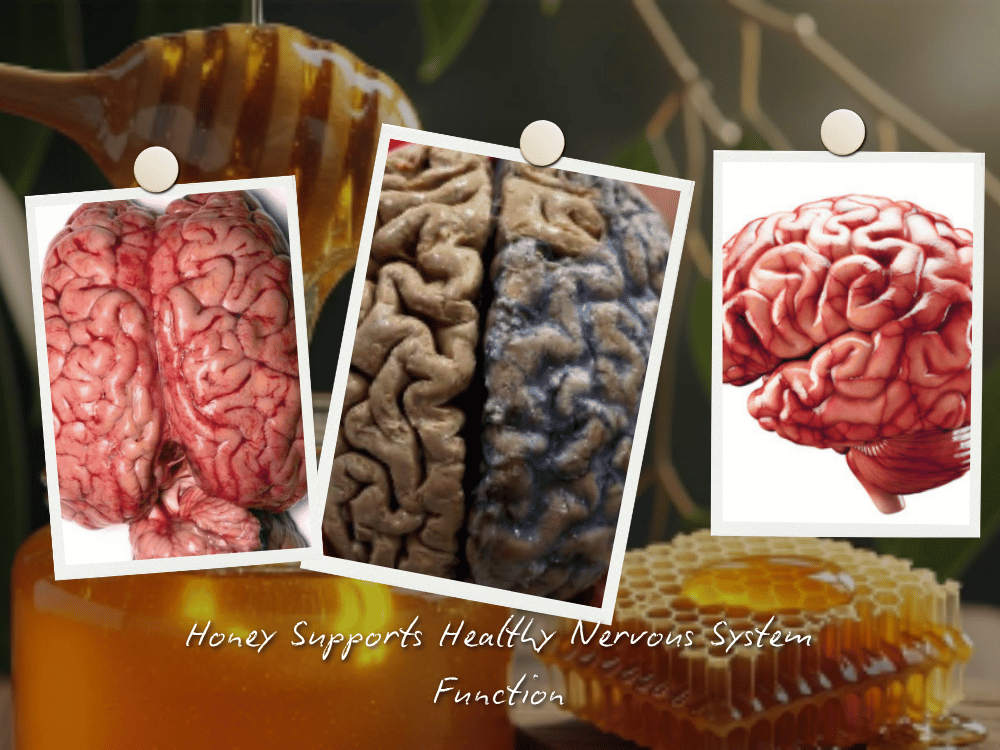
Honey has been valued for centuries as a natural food that provides energy and contains beneficial compounds, including antioxidants. These antioxidants may help protect brain cells from oxidative stress, while the natural sugars in honey provide a quick source of energy for the brain.
Some scientific studies suggest that honey may support memory, learning, and cognitive function due to its antioxidant and anti-inflammatory properties. However, more high-quality clinical research is needed before definitive health claims can be made.
Can Honey Support the Nervous System?
Honey contains naturally occurring antioxidants, polyphenols, vitamins, and minerals that may help support overall nervous system health. By helping reduce oxidative stress and inflammation, honey may contribute to maintaining healthy nerve cells. However, it should not be considered a treatment or cure for neurological disorders.
Healthy Habits for a Strong Brain
While honey can be part of a healthy diet, maintaining brain and nervous system health also requires:
- Eating a balanced, nutrient-rich diet
- Exercising regularly
- Getting adequate sleep
- Managing stress effectively
- Staying mentally active
- Seeking appropriate medical care when needed
Forebrain: It is located in the front of the skull in two middle and back cavities and is in the form of two hemispheres with a deep fissure between them. There are protrusions on its upper surface, between which there are small complex cracks or grooves. There are also some chambers (ventricles) inside it. The higher centers of sensation, movement, and senses are in the cerebrum itself, and they issue commands to the subordinate centers.
Cerebrum: It is located in the posterior fossa of the lower skull at the back of the cerebrum. There are no protrusions on its surface, but rather long, rounded lines.
Midbrain or bridge: It connects the hemispheres of the cerebrum on both sides by revolving around the cerebrum.
Cervical spine (spinal cord): This is the upper, thick part of the spinal cord that goes up and ends in the middle brain and connects to the cerebrum that comes down from the brain.
The Spinal Cord: The Brain’s Communication Pathway
The spinal cord is a long, delicate bundle of nerve tissue that extends from the lower part of the brain through the spinal canal within the backbone. It serves as the main communication pathway between the brain and the rest of the body.
The spinal cord contains numerous nerve centers that transmit the brain’s motor commands to different parts of the body while carrying sensory information back to the brain. Through this continuous exchange of signals, we are able to move our muscles and experience sensations such as touch, pain, heat, cold, and pressure.
Protecting Brain Health
As the body’s control center, the brain plays a vital role in maintaining overall health. Protecting the brain is essential not only from physical injuries but also by adopting healthy habits that support its proper function.
Developing good character, maintaining emotional well-being, and avoiding harmful behaviors can contribute to better mental health. Chronic stress, poor lifestyle choices, and unhealthy habits may negatively affect concentration, decision-making, and overall cognitive performance.
Like every other organ, the brain requires regular stimulation, adequate nutrition, and sufficient rest to function at its best. A healthy circulatory system supplies the brain with oxygen-rich blood and essential nutrients needed for normal activity.
The Importance of Sleep
Quality sleep is one of the most important requirements for a healthy brain. During sleep, the brain processes information, strengthens memories, and restores its energy.
Young children generally require more sleep than adults. While sleep needs vary with age, children around eight years old often need approximately 9 to 12 hours of sleep each night to support healthy growth and brain development.
Another effective way to reduce mental fatigue is to switch between different types of tasks. For example, after spending time solving mathematical problems, reading a book or engaging in a creative activity allows different regions of the brain to become active while others rest, helping maintain mental performance.
Avoiding Harmful Substances
The brain is highly sensitive to harmful chemicals. Substances such as alcohol, tobacco, and recreational drugs can interfere with normal brain function and may cause long-term damage, particularly in children and adolescents whose brains are still developing.
Maintaining overall health also helps protect the brain. Proper hydration, regular physical activity, a balanced diet, and healthy digestion support the body’s natural ability to eliminate waste products. When the body functions efficiently, the brain receives the oxygen and nutrients it needs for optimal performance.
Memory and Mental Performance
Memory is one of the brain’s most remarkable abilities. Difficulty remembering information may sometimes result from stress, fatigue, insufficient sleep, illness, or mental overload.
To improve memory and concentration:
- Get enough quality sleep.
- Take regular breaks during study or work.
- Eat a balanced, nutritious diet.
- Stay physically active.
- Keep the brain mentally engaged through reading, learning, and problem-solving.
- Avoid excessive stress whenever possible.
Giving the brain adequate rest is just as important as exercising it.
Honey and Brain Health
Honey has long been valued as a natural food that provides quick energy and contains antioxidants, vitamins, minerals, and beneficial plant compounds. These nutrients may help protect brain cells from oxidative stress and support overall brain function.
Some scientific studies suggest that honey may contribute to improved memory and cognitive performance due to its antioxidant and anti-inflammatory properties. However, more high-quality clinical research is needed to confirm these potential benefits.
Honey in Traditional Medicine
In many traditional systems of medicine, honey mixed with water has been used as a nourishing drink during recovery from illness or periods of weakness. While these traditional practices have a long history, there is currently no strong scientific evidence that honey water alone can treat mental illnesses or neurological disorders.
Honey may be enjoyed as part of a balanced diet, but it should not replace professional medical diagnosis or treatment for brain or nervous system diseases.
Honey Water: Traditional Preparation and Its Role in Brain and Nervous System Health
Traditional Preparation of Honey Water
In traditional medicine, honey water has long been used as a nourishing drink.
A traditional method of preparation is as follows:
- Mix 2 cups of pure honey with 4 cups of clean water.
- Bring the mixture to a gentle boil.
- Remove any foam that forms during boiling.
- Continue simmering until the mixture is reduced to approximately 4 cups.
- Allow it to cool before use.
This preparation is commonly referred to as simple honey water.
Traditional Uses of Honey Water
According to traditional herbal medicine, honey water has been used to:
- Support healthy digestion.
- Stimulate the appetite.
- Promote normal urination.
- Help loosen thick mucus and respiratory secretions.
- Provide natural energy during recovery from illness.
- Support general wellness and vitality.
Some traditional practitioners have also recommended honey water for joint discomfort and conditions affecting the nervous system. However, these traditional uses are based on historical practice and have not been confirmed by modern clinical research.
Dosage
Traditional texts describe using honey water in small quantities, with the amount adjusted according to the individual’s age, health, and tolerance. If a person found the preparation too concentrated or too sweet, a larger proportion of water was recommended to dilute it.
Today, honey should be consumed in moderation as part of a balanced diet. Individuals with diabetes or other medical conditions should consult a healthcare professional regarding appropriate intake.
Paralysis (Stroke): Understanding the Condition
Paralysis is a condition in which a person loses the ability to move one or more parts of the body. A common cause is stroke, which occurs when the blood supply to part of the brain is interrupted or when a blood vessel in the brain ruptures. As a result, brain cells are damaged, leading to weakness or paralysis, often affecting one side of the body.
Stroke may also cause:
- Difficulty speaking or understanding language
- Facial drooping
- Loss of balance or coordination
- Vision problems
- Numbness or weakness in the face, arm, or leg
- Sudden severe headache (in some cases)
The risk of stroke increases with age and is also associated with conditions such as high blood pressure, diabetes, high cholesterol, smoking, obesity, and heart disease.
Emergency Treatment for Stroke
A stroke is a medical emergency. Anyone experiencing symptoms should receive immediate medical attention because early treatment greatly improves the chances of recovery.
Modern treatment focuses on:
- Restoring blood flow when appropriate.
- Controlling blood pressure.
- Managing blood sugar and other risk factors.
- Preventing further brain injury.
- Beginning rehabilitation through physical, occupational, and speech therapy.
Historical treatments such as bloodletting, starvation, or strong laxatives are not recommended in modern medicine and should not be used to treat stroke.
Honey and Stroke Recovery
Honey is a nutritious natural food containing carbohydrates, antioxidants, vitamins, minerals, and beneficial plant compounds. During recovery from illness, it may provide energy and contribute to a balanced diet.
Some laboratory and animal studies suggest that honey’s antioxidant and anti-inflammatory properties may help protect cells from oxidative stress. However, there is currently no reliable clinical evidence that honey can prevent, cure, or treat paralysis or stroke.
Honey should therefore be considered a supportive food rather than a medical treatment. Anyone recovering from a stroke should follow the treatment plan recommended by qualified healthcare professionals.
Traditional Honey-Based Majoon Recipes
Important: The following formulations are traditional herbal preparations recorded in traditional medicine. Their claimed therapeutic benefits have not been confirmed by modern clinical research. They should not be used as a substitute for professional medical treatment, especially for serious conditions such as stroke or paralysis.
Traditional Majoon Jalaj Recipe
Ingredients
- 500 g peeled garlic
- 3 cups fresh cow’s milk
- 500 g desi ghee (clarified butter)
- 1 cup black pepper
- 1 cup long pepper (Piper longum)
- 1 cup dried ginger powder
- 1 cup cinnamon
- 1 cup cubeb pepper (Kabab Chini)
- 1 cup javitri (mace)*
- 1 cup agarwood (agar)
- 1 cup galangal (Kholanjan)
- 7 g saffron (or the amount specified in the original traditional formula)
- 3 cups pure honey
*The original text appears to contain a transcription error (“jojoba”). In traditional Unani formulations, javitri (mace) is commonly used.
Preparation
- Lightly crush the peeled garlic.
- Add the garlic to the fresh cow’s milk in a suitable cooking vessel.
- Simmer over low heat until the garlic becomes soft and blends well with the milk.
- Mash the softened garlic thoroughly.
- Add the desi ghee and cook gently until the mixture is well roasted.
- Add the powdered black pepper, long pepper, dried ginger, cinnamon, cubeb pepper, mace, agarwood, galangal, and saffron.
- Stir and cook gently for a short time.
- Remove from the heat and allow the mixture to cool.
- Finally, add the honey and mix thoroughly until a smooth herbal paste (Majoon) is formed.
- Store the preparation in a clean, airtight glass container.
Traditional Use
Traditional practitioners have used this preparation as a general tonic and have recommended it for weakness, joint discomfort, and certain neurological conditions. Some historical texts also describe its use for paralysis and disorders of the liver and spleen.
However, there is no reliable scientific evidence that this preparation can cure paralysis, stroke, or other neurological diseases. Individuals with these conditions should seek prompt medical care.
Because this preparation contains concentrated honey, ghee, and warming spices, excessive consumption may not be suitable for everyone, particularly people with diabetes, digestive disorders, or high blood pressure.
Traditional Majoon for Paralysis
Ingredients
- Saffron – 1½ masha
- Dar Filfil (Long Pepper) – 2 masha
- Pure Musk – ½ masha
- Harad (Chebulic Myrobalan) – 1 tola
- Aqarqarha (Anacyclus pyrethrum) – 3 masha
- Javitri (Mace) – 3 masha
- Nutmeg – 3 masha
- Galangal (Kholanjan) – 3 masha
- Cloves – 3 masha
- Cinnamon – 3 masha
- Black Pepper – 3 masha
- Cardamom Powder – 6 masha
- Pure Honey – Three times the combined weight of all the powdered ingredients
Preparation
- Finely grind all the dry ingredients except the saffron and honey.
- Mix the powdered herbs thoroughly with the honey.
- Add the saffron and blend until a uniform paste is obtained.
- Store the preparation in a clean, airtight glass container.
Traditional Use
According to traditional Unani medicine, this preparation has been used as a restorative tonic and has been recommended for weakness, dizziness, fatigue, and certain disorders affecting the nervous system.
Historically, it was often taken with nourishing foods such as chicken or pigeon broth.
Traditional Honey-Based Herbal Remedies for Paralysis
Important: The following formulations are traditional remedies described in historical herbal and Unani medicine. They are not scientifically proven treatments for paralysis, stroke, epilepsy, or other neurological disorders and should not replace emergency medical care or treatment prescribed by a qualified healthcare professional.
Traditional Honey, Ginger, and Onion Preparation
Ingredients
- Pure honey
- Fresh ginger juice
- Fresh onion juice
Use all ingredients in equal quantities.
Preparation
- Mix the honey, ginger juice, and onion juice thoroughly.
- Pour the mixture into a clean glass bottle, leaving approximately one-quarter of the bottle empty.
- Seal the bottle and store it in a cool, shaded place.
- Allow the mixture to mature for 3 to 5 days before use.
Traditional Use
Traditional practitioners recommended beginning with a small amount and gradually increasing the quantity according to individual tolerance. Historically, this preparation was used for paralysis and certain digestive disorders.
However, there is no reliable scientific evidence that this mixture can treat paralysis or neurological diseases.
Traditional Herbal Tablets for Paralysis
Ingredients
- Mudabbar (processed herb) – 1 tola
- Fenugreek seeds – 1 tola
- Black pepper – 6 masha
- Malkangani (Celastrus paniculatus) – 6 masha
- Mukhal Arzaq – 6 masha
- Honey water – 1 bottle
Preparation
- Dissolve the Mukhal Arzaq in water.
- Finely grind the remaining dry ingredients.
- Mix the powders into the prepared solution.
- Knead the mixture into small tablets, approximately 1 gram each.
- Allow the tablets to dry before storing.
Traditional Use
Traditional texts describe taking one tablet in the morning and one in the evening with honey.
Historically, this preparation was recommended for paralysis, epilepsy, and certain liver disorders. These traditional claims have not been confirmed by modern clinical research.
Traditional Remedy for Paralysis Associated with Digestive Disorders
Ingredients
- Baboon flowers – 2 tolas
- Aklil al-Mulk – 2 tolas
- Khatmi seeds – 2 tolas
- Hasha – 2 tolas
- Qanturiyun (Centaury) – 2 tolas
- White Turbud – 1 tola
- Senna leaves – 1 tola
- Jujubes – 20 pieces
- Multani seed – 5 tolas
- Red sugar – 4 tolas
- Fig oil – 2 tolas
- Cow tongue extract (Gaozaban) – 20 tolas
- Pure honey – 5 tolas
Preparation
Medicine No. 1
- Place all the herbal ingredients except the cow tongue extract, honey, and fig oil into a large pot.
- Add approximately 200 ml of water.
- Boil until the active constituents are extracted.
- While still warm, mash the herbs thoroughly.
- Strain the liquid.
- Add the fig oil and mix well.
Medicine No. 2
- Combine the cow tongue extract with the honey.
- Simmer gently until the volume is reduced by approximately one-third.
- Allow the mixture to cool.
- Store it in a clean glass container.
Traditional Use
Traditional practitioners recommended using Medicine No. 1 as part of cleansing procedures and Medicine No. 2 as a nourishing preparation during recovery.
These practices belong to traditional medicine and are not supported by modern evidence as treatments for paralysis or stroke.
Traditional Herbal Preparation for Speech Difficulties After Paralysis
Ingredients
- Fennel (Badian) – 7 masha
- Fennel root – 7 masha
- Karz root – 7 masha
- Azkhar root – 7 masha
- Parsiyaushan – 7 masha
- Liquorice root (Asal-us-Sus) – 5 masha
- Yellow figs – 4 pieces
- Cow tongue (Gaozaban) – 5 masha
- Ustukhuddus (Lavender) – 7 masha
- Tukham Kathus – 5 masha
- Darparcha Kabta
Preparation
- Place all the herbs in one cup of hot water.
- Leave them to soak overnight.
- The following morning, mix thoroughly.
- Strain the liquid.
- Add 4 tolas of pure honey and stir well.
- Store the preparation in a clean glass bottle.
Traditional Use
In traditional medicine, this preparation was recommended for speech difficulties, including stuttering following paralysis. It was also considered a general tonic for nervous system weakness.
Modern Medical Perspective
Speech difficulties following a stroke or paralysis are best treated through speech and language therapy, rehabilitation, and appropriate medical care. While honey may provide nutritional benefits as part of a balanced diet, there is no clinical evidence that honey or these herbal formulations can restore speech or reverse paralysis.
Additional Traditional Honey-Based Remedies for Paralysis and Nerve Weakness
Disclaimer: The following formulations are traditional remedies from historical herbal and Unani medicine. Their effectiveness for treating paralysis, stroke, or neurological disorders has not been established by modern scientific evidence. Anyone with symptoms of stroke or paralysis should seek immediate medical care.
Traditional Honey and Star Anise Preparation
Ingredients
- Star anise – 5 g
- Cow tongue (Gaozaban) extract – 12 tolas
- Pure honey – 2 tolas
Preparation
- Place all the ingredients in a suitable cooking vessel.
- Simmer gently for a few minutes.
- Remove from the heat and use while still lukewarm.
Traditional Use
Traditionally, this preparation was taken with nourishing foods such as chicken or pigeon soup. It was believed to support digestion, strengthen the body, and aid recovery from paralysis.
However, there is no clinical evidence that this preparation can treat paralysis or restore neurological function.
Traditional Herbal Paste for Paralysis
Ingredients
- Senna leaves – 7 g
- Orange pulp or extract – 4 tolas
- White sugar – 5 tolas
- Red sugar – 4 tolas
- Almond extract – 5 units (as described in the original text)
- Pure honey – 4 tolas
Preparation
- Grind all the ingredients into a fine mixture.
- Add the honey and mix thoroughly until a smooth paste forms.
- Store in a clean glass container.
Traditional Use
Historical texts recommend taking a measured amount each morning. This preparation was traditionally believed to support recovery from paralysis and promote bowel regularity.
These traditional claims have not been validated by modern medical research.
Traditional Remedy for Nerve Weakness and Paralysis
Ingredients
Stage 1
- Pure honey
- Water
- Star anise – 6 g
Stage 2
- Star anise – 7 g
- Raisins – 1 tola
- Celery seeds – 7 g
- Azkhar seeds – 7 g
- Yellow figs – 4
- Kasthut seeds – 5 g
- Dried lavender (Ustukhuddus) – 7 g
- Liquorice root (Asl-us-Sus) – 5 g
- Parsiyaushan – 7 masha
- Gaozaban – 5 tolas
- Musk preparation – 5 masha
- Aniseed – 12 tolas
- Honey – 2 tolas
- Red caraway – 6 masha
- Dried ginger – 6 masha
Traditional Preparation
Traditional texts describe a multi-stage preparation involving:
- Boiling honey with water.
- Soaking the herbs overnight in hot water.
- Straining the herbal infusion.
- Mixing the strained liquid with honey.
- Preparing additional herbal mixtures for later stages of use.
A nourishing diet, including chicken broth or pigeon soup, was traditionally recommended during recovery.
Traditional Use
Historically, this formulation was used for:
- Nervous weakness
- Digestive weakness
- Age-related paralysis
- General physical debility
These traditional uses have not been confirmed through modern clinical studies.
Traditional Honey Preparation After Stroke
Ingredients
- Sugarcane – 5 tolas
- Cow tongue (Gaozaban) juice – 20 tolas
- Pure honey – 2 tolas
Preparation
- Grind the sugarcane into a fine powder.
- Add it to the Gaozaban juice.
- Simmer over low heat until the mixture is reduced to approximately one-quarter of its original volume.
- Add the honey and stir well.
- Allow the preparation to cool before storing.
Traditional Use
Traditional practitioners recommended taking a measured quantity of this preparation with honey water during recovery from weakness following stroke or paralysis.
Additional herbal mixtures and massage oils were also traditionally used to support recovery.
Modern Medical Perspective
Recovery after a stroke depends on prompt emergency treatment followed by rehabilitation, including physical therapy, occupational therapy, speech therapy, and appropriate medical management.
Although honey is a nutritious food containing natural sugars and antioxidants, there is no reliable scientific evidence that honey or these traditional herbal preparations can reverse paralysis, restore nerve function, or treat complications of stroke.
Description of Facial Paralysis (Laqwah)
What Is Laqwah?
In traditional Unani medicine, Laqwah refers to facial paralysis, a condition that affects the muscles of one side of the face. Although it shares some similarities with general paralysis in terms of traditional causes and treatment, Laqwah specifically involves the facial muscles and the nerves that control facial movement.
Today, many cases of sudden facial paralysis are diagnosed as Bell’s palsy, while facial weakness may also occur as a result of stroke, nerve injury, infections, or other neurological disorders. Because the causes differ, an accurate medical diagnosis is essential.
Signs and Symptoms
Traditional descriptions of Laqwah include the following symptoms:
- Drooping or pulling of one side of the face
- Difficulty closing one eye completely
- A crooked or uneven mouth
- Drooling or leakage of saliva
- Difficulty speaking clearly
- Facial asymmetry that becomes more noticeable while smiling or laughing
- Twitching of the facial muscles before the onset of weakness
- Pain around the back of the head or behind the ear
- Dizziness in some individuals
- Reduced appetite
- Constipation
- Increased sensitivity to cold on the affected side of the face
- Excessive tearing or watering of the affected eye
As the condition progresses, the facial muscles become weaker, making it difficult to smile, whistle, rinse the mouth, or completely close the eyelid.
Traditional Treatment
Classical Unani texts describe the early use of honey water as a nourishing drink and recommend honey in various herbal preparations. Herbal pastes and massage were also traditionally employed to support recovery.
These treatments are part of traditional medical practice. Modern scientific evidence does not support honey or herbal preparations as a cure for facial paralysis or Bell’s palsy.
Prognosis
Historically, some physicians believed that facial paralysis became difficult or impossible to cure after six months. Modern medicine, however, recognizes that recovery depends on several factors, including:
- The underlying cause of the paralysis
- The severity of nerve damage
- The patient’s age and overall health
- How quickly appropriate treatment begins
Many people with Bell’s palsy recover partially or completely, especially when treatment is started early. Recovery from facial paralysis caused by a stroke depends on the extent of brain injury and the effectiveness of rehabilitation.
Older adults and individuals with severe nerve damage may experience a slower or less complete recovery, but the duration of symptoms alone does not determine whether improvement is possible.
Modern Medical Perspective
Anyone who develops sudden facial weakness should seek immediate medical evaluation, particularly if the symptoms occur suddenly or are accompanied by weakness in an arm or leg, difficulty speaking, severe headache, or vision changes. These symptoms may indicate a stroke, which is a medical emergency requiring urgent treatment.
Treatment depends on the cause and may include:
- Corticosteroids for Bell’s palsy when appropriate
- Antiviral medication in selected cases
- Eye protection and lubricating eye drops if the eyelid cannot close completely
- Physical therapy and facial muscle exercises
- Speech therapy when speech or swallowing is affected
- Emergency stroke treatment and rehabilitation when facial paralysis results from a stroke
Honey and Recovery
Honey is a nutritious natural food that provides carbohydrates, antioxidants, vitamins, and minerals. As part of a balanced diet, it may support general health and provide energy during recovery from illness. However, there is no reliable clinical evidence that honey can cure facial paralysis, Bell’s palsy, or stroke-related paralysis.
Traditional Honey-Based Remedies for Facial Paralysis, Memory, and Tremors
Important: The following remedies originate from traditional Unani and herbal medicine. Their historical uses do not constitute scientific proof of effectiveness. They should not replace professional medical diagnosis or treatment for neurological disorders.
Traditional Honey Paste for Facial Paralysis (Laqwah)
Ingredients
- Aqarqarha (Anacyclus pyrethrum) – 1 tola
- Dry ginger (Sonth) – 1 tola
- Mustard seeds – 1 tola
- Waj (Sweet Flag, Acorus calamus) – 1 tola
- Javitri (Mace) – 9 masha*
- Long pepper (Dar Filfil) – 9 masha
- Cloves – 6 masha
- Mastic (Mastagi Rumi) – 6 masha
- Pure honey – equal in weight to the total amount of powdered herbs
*The original manuscript appears to contain the word “jojoba,” which is likely a transcription error. Traditional formulations commonly use javitri (mace).
Preparation
- Grind all the herbs into a fine powder.
- Add an equal weight of pure honey.
- Mix thoroughly until a smooth paste is formed.
- Store the preparation in a clean, airtight container.
Traditional Use
According to traditional practice, a small amount of the paste was applied inside the mouth with a clean finger while allowing saliva to flow naturally.
Historically, prolonged use was believed to support recovery from facial paralysis. However, there is no scientific evidence that this preparation can cure Bell’s palsy or other forms of facial paralysis.
Traditional Honey and Nutmeg Remedy
Ingredients
- Nutmeg
- Pure honey
- Warm anise honey water (traditional preparation)
Traditional Directions
Traditional texts recommend:
- Resting in a quiet environment.
- Holding a piece of nutmeg in the mouth.
- Drinking warm honey-anise water several times daily.
- Following a light, nourishing diet after several days.
These recommendations are part of traditional medicine and should not replace modern medical treatment.
Forgetfulness (Memory Weakness)
Traditional Description
Traditional medicine attributed forgetfulness to an imbalance affecting the brain and believed that memory weakness could result from excess “coldness” within the body.
Modern medicine recognizes that memory problems may result from many causes, including:
- Aging
- Stress
- Sleep deprivation
- Depression
- Vitamin deficiencies
- Medication side effects
- Neurological diseases such as Alzheimer’s disease and other dementias
Persistent memory loss should always be evaluated by a qualified healthcare professional.
Traditional Memory Tonic
Ingredients
- Malkangani (Celastrus paniculatus) powder – 12 tolas
- Long pepper (Dar Filfil) – 10 tolas
- Dry ginger – 10 tolas
- Aqarqarha – 1 tola
- Cow’s ghee
- Pure honey
Preparation
- Grind all the herbs into a fine powder.
- Mix with cow’s ghee.
- Add a small quantity of pure honey.
- Blend thoroughly to obtain a smooth paste.
- Store in a clean glass container.
Traditional Use
This preparation has traditionally been regarded as a brain tonic and memory-supporting formulation.
Although some of its herbal ingredients are being studied for possible neurological benefits, there is currently insufficient clinical evidence to conclude that this preparation improves memory or prevents cognitive decline.
Tremors
Description
Tremors are involuntary, rhythmic shaking movements that most commonly affect the hands but may also involve the head, legs, or other parts of the body.
Although tremors become more common with advancing age, they can also occur in younger individuals due to various medical conditions.
Modern causes of tremors include:
- Essential tremor
- Parkinson’s disease
- Thyroid disorders
- Medication side effects
- Anxiety
- Metabolic disorders
- Certain neurological diseases
Anyone who develops persistent or worsening tremors should seek medical evaluation to determine the underlying cause.
Traditional Honey Paste for Tremors
Ingredients
- Rainwater – 3 measures
- Pure honey – 500 g
- White pepper – 4 masha
- Dry ginger – 4 masha
- Galangal (Kholanjan) – 4 masha
- Mastic (Mastagi Rumi) – 4 masha
Preparation
- Combine the rainwater and honey in a large cooking vessel.
- Heat gently over low heat.
- Remove any foam that forms on the surface.
- Finely grind the remaining herbs.
- Add the powdered herbs to the honey mixture.
- Continue stirring while simmering until the mixture thickens into a paste.
- Allow it to cool before storing.
Traditional Use
Traditional practitioners used this preparation as a tonic for individuals experiencing weakness, tremors, or paralysis.
Modern Medical Perspective
While honey contains natural sugars and antioxidant compounds that may support general health, there is no reliable scientific evidence that honey or these herbal formulations can treat tremors, Parkinson’s disease, paralysis, or other neurological disorders.
Traditional Description of Spasms, Convulsions, and Tetanus
Important: The following information describes traditional medical concepts and herbal preparations. These remedies are part of historical medicine and are not proven treatments for seizures, tetanus, or neurological disorders. Conditions involving convulsions, muscle stiffness, or breathing difficulties require professional medical evaluation.
Description of Spasms and Muscle Disorders
In traditional medicine, difficulty in expanding a limb or organ was described as a type of spasm, while difficulty in contraction was described as relaxation. When both movement and contraction became difficult, the condition was referred to as Tamad.
These conditions were traditionally considered similar to paralysis, and their treatment was believed to follow similar principles.
Frequent convulsive episodes were considered serious and required immediate attention.
Traditional Understanding of Causes
Traditional medical texts associated spasms and related conditions with factors such as:
- Excessive phlegm or thick bodily secretions
- Weakness of the nerves
- Imbalance of bodily fluids
- Long-term illness and physical weakness
According to traditional beliefs, when the body’s fluids became excessively thick or dry, nerve function could become affected, leading to stiffness, weakness, or involuntary movements.
Traditional treatment approaches emphasized:
- Reducing thick secretions
- Softening and balancing the body’s fluids
- Supporting digestion
- Removing waste products through traditional cleansing methods
Modern medicine, however, recognizes that spasms and seizures can have many different causes, including neurological disorders, infections, injuries, metabolic problems, medication effects, and genetic conditions.
Other Conditions Associated with Spasms
Historical texts described spasms occurring in different situations, including:
- Hysteria-like conditions
- Childhood convulsions
- Digestive disorders
- Severe dehydration or weakness after prolonged illness
Some traditional descriptions linked certain types of spasms with dryness and weakness of the nerves.
Today, involuntary muscle contractions may be associated with conditions such as epilepsy, movement disorders, electrolyte imbalance, or nervous system injuries.
Causes of Severe Convulsions and Tetanus
Traditional medicine described severe spasms as occurring due to disturbances affecting the brain and nerves.
Modern medicine identifies tetanus as a serious infectious disease caused by the bacterium Clostridium tetani. It commonly enters the body through wounds and produces a toxin that affects the nervous system.
Symptoms may include:
- Severe muscle stiffness
- Painful muscle spasms
- Tightness of the jaw (“lockjaw”)
- Difficulty swallowing
- Neck and back stiffness
- Breathing difficulties
Without proper medical treatment, tetanus can be life-threatening.
Traditional Herbal Preparation for Spasms
Ingredients
Preparation No. 1
- Fennel (Badian) – 7 g
- Celery seeds – 7 g
- Kasni seeds – 5 g
- Yellow figs – 5 pieces
- Fresh raisins – as specified in the traditional formula
- Parsiyaushan – 5 g
- Anb al-Thalab (traditional herb) – 5 g
- Khatmi (mallow) – 7 g
- Liquorice root (Asl-us-Sus) – 5 g
- Ustukhuddus (lavender) – 5 g
- Pure honey – 4 tolas
Preparation
- Place all ingredients except honey in warm water.
- Leave them to soak overnight.
- Grind the ingredients the next morning.
- Extract and strain the liquid.
- Mix the strained liquid with honey.
Preparation No. 2
Ingredients:
- Gaozaban (cow tongue herb) – 5 g
- Gaozaban extract – 6 g
- Anb al-Thalab – 6 g
- Pure honey – 2 tolas
Preparation:
- Combine all ingredients.
- Boil gently.
- Allow the mixture to cool until lukewarm.
- Strain before use.
Traditional Use
Traditional practitioners recommended using these preparations according to a schedule and taking Atrifal Zamani once weekly at bedtime.
Historically, this formula was considered supportive for nerve weakness and spasmodic conditions. However, there is no modern clinical evidence proving that it can treat seizures or neurological disorders.
Description of Tetanus
Tetanus is a serious nervous system infection characterized by painful muscle contractions and stiffness.
The disease commonly affects:
- Neck muscles
- Jaw muscles
- Chest muscles
- Back muscles
- Facial muscles
During severe episodes, a person may experience:
- Neck stiffness
- Facial muscle distortion
- Difficulty breathing
- Difficulty speaking
- Difficulty swallowing
- Painful muscle spasms
Tetanus can occur after contaminated wounds and requires urgent medical treatment.
Prevention and Modern Treatment
The most effective protection against tetanus is vaccination. Treatment may include:
- Tetanus immune globulin
- Antibiotics
- Wound cleaning and care
- Medicines to control muscle spasms
- Supportive hospital care when necessary
Traditional External Paste for Muscle Stiffness
Ingredients
- Lime – 1 tola
- Pure honey – 1½ tolas
Preparation
- Grind the lime into a fine powder.
- Mix thoroughly with honey to form a paste.
- Apply the paste externally as described in traditional practice.
Traditional Use
Historical practitioners used this type of preparation for muscle discomfort and stiffness. However, it should not be used as a substitute for medical treatment, especially in cases of tetanus, seizures, or severe muscle spasms.
Honey and Brain Health: How Honey Supports Healthy Nervous System Function
Introduction
The human body is a remarkable system in which every organ performs its own function with precision and balance. Each part works in harmony with the others, ensuring that the body operates smoothly and efficiently. Even during sleep, many essential bodily functions continue without conscious effort. Likewise, in unconsciousness, vital processes such as breathing, circulation, and metabolism remain active.
The Brain: The Body’s Control Center
When we need nourishment, we naturally experience hunger and thirst. In response, the brain directs our body to search for food. It coordinates the movement of our legs to walk, our hands to pick up food, our mouth and jaws to chew, and our throat to swallow. After swallowing, the stomach and intestines begin digesting and absorbing nutrients. We also instinctively select foods that appeal to us while avoiding those that appear harmful or unpleasant. These complex actions demonstrate the brain’s remarkable ability to coordinate countless bodily functions.
The brain continuously sends signals to our muscles and organs, instructing them when to act and when to rest. Every part of the body responds to these commands, making the brain the body’s central control center, responsible for supervising and coordinating all physical activities.
How the Brain Communicates with the Nervous System
The brain functions like a highly advanced communication network. It constantly receives messages from every part of the body through the nervous system and processes this information within fractions of a second. Based on these signals, it sends precise instructions that enable the body to respond effectively to changing conditions.
Functions of the Brain
The brain performs many essential functions that support everyday life, including:
- Controlling body movement and coordination
- Enabling speech and communication
- Processing touch, sight, hearing, taste, and smell
- Regulating the perception of temperature and pain
- Storing and recalling memories
- Supporting learning, reasoning, and decision-making
- Managing emotions and behavior
- Helping us distinguish between right and wrong
Because the brain controls virtually every organ and body system, maintaining its health is essential for overall well-being.
Why Brain Health Matters
A healthy brain supports clear thinking, emotional balance, proper coordination, and effective communication throughout the nervous system. When brain function is impaired, other parts of the body may become uncoordinated or fail to perform their roles properly, disrupting the body’s overall balance and efficiency.
Structure and Protection of the Brain
The brain is safely enclosed within the skull, a strong bony structure that protects this delicate organ from injury. Since brain tissue is soft and fragile, it is surrounded by protective membranes and cushioned by cerebrospinal fluid, which absorbs shocks and helps protect the brain from damage. The scalp, consisting of several layers of tissue and hair, provides additional protection.
Among all living creatures, the human brain is the most highly developed. This extraordinary organ enables humans to think creatively, reason logically, communicate through language, and solve complex problems, setting us apart from other animals.
For easier understanding, the brain is commonly divided into four major parts, each responsible for specific functions. These parts will be discussed in the following sections.
Honey and Brain Health
Honey has been valued for centuries as a natural food that provides energy and contains beneficial compounds, including antioxidants. These antioxidants may help protect brain cells from oxidative stress, while the natural sugars in honey provide a quick source of energy for the brain.
Some scientific studies suggest that honey may support memory, learning, and cognitive function due to its antioxidant and anti-inflammatory properties. However, more high-quality clinical research is needed before definitive health claims can be made.
Can Honey Support the Nervous System?
Honey contains naturally occurring antioxidants, polyphenols, vitamins, and minerals that may help support overall nervous system health. By helping reduce oxidative stress and inflammation, honey may contribute to maintaining healthy nerve cells. However, it should not be considered a treatment or cure for neurological disorders.
Healthy Habits for a Strong Brain
While honey can be part of a healthy diet, maintaining brain and nervous system health also requires:
- Eating a balanced, nutrient-rich diet
- Exercising regularly
- Getting adequate sleep
- Managing stress effectively
- Staying mentally active
- Seeking appropriate medical care when needed
Forebrain: It is located in the front of the skull in two middle and back cavities and is in the form of two hemispheres with a deep fissure between them. There are protrusions on its upper surface, between which there are small complex cracks or grooves. There are also some chambers (ventricles) inside it. The higher centers of sensation, movement, and senses are in the cerebrum itself, and they issue commands to the subordinate centers.
Cerebrum: It is located in the posterior fossa of the lower skull at the back of the cerebrum. There are no protrusions on its surface, but rather long, rounded lines.
Midbrain or bridge: It connects the hemispheres of the cerebrum on both sides by revolving around the cerebrum.
Cervical spine (spinal cord): This is the upper, thick part of the spinal cord that goes up and ends in the middle brain and connects to the cerebrum that comes down from the brain.
The Spinal Cord: The Brain’s Communication Pathway
The spinal cord is a long, delicate bundle of nerve tissue that extends from the lower part of the brain through the spinal canal within the backbone. It serves as the main communication pathway between the brain and the rest of the body.
The spinal cord contains numerous nerve centers that transmit the brain’s motor commands to different parts of the body while carrying sensory information back to the brain. Through this continuous exchange of signals, we are able to move our muscles and experience sensations such as touch, pain, heat, cold, and pressure.
Protecting Brain Health
As the body’s control center, the brain plays a vital role in maintaining overall health. Protecting the brain is essential not only from physical injuries but also by adopting healthy habits that support its proper function.
Developing good character, maintaining emotional well-being, and avoiding harmful behaviors can contribute to better mental health. Chronic stress, poor lifestyle choices, and unhealthy habits may negatively affect concentration, decision-making, and overall cognitive performance.
Like every other organ, the brain requires regular stimulation, adequate nutrition, and sufficient rest to function at its best. A healthy circulatory system supplies the brain with oxygen-rich blood and essential nutrients needed for normal activity.
The Importance of Sleep
Quality sleep is one of the most important requirements for a healthy brain. During sleep, the brain processes information, strengthens memories, and restores its energy.
Young children generally require more sleep than adults. While sleep needs vary with age, children around eight years old often need approximately 9 to 12 hours of sleep each night to support healthy growth and brain development.
Another effective way to reduce mental fatigue is to switch between different types of tasks. For example, after spending time solving mathematical problems, reading a book or engaging in a creative activity allows different regions of the brain to become active while others rest, helping maintain mental performance.
Avoiding Harmful Substances
The brain is highly sensitive to harmful chemicals. Substances such as alcohol, tobacco, and recreational drugs can interfere with normal brain function and may cause long-term damage, particularly in children and adolescents whose brains are still developing.
Maintaining overall health also helps protect the brain. Proper hydration, regular physical activity, a balanced diet, and healthy digestion support the body’s natural ability to eliminate waste products. When the body functions efficiently, the brain receives the oxygen and nutrients it needs for optimal performance.
Memory and Mental Performance
Memory is one of the brain’s most remarkable abilities. Difficulty remembering information may sometimes result from stress, fatigue, insufficient sleep, illness, or mental overload.
To improve memory and concentration:
- Get enough quality sleep.
- Take regular breaks during study or work.
- Eat a balanced, nutritious diet.
- Stay physically active.
- Keep the brain mentally engaged through reading, learning, and problem-solving.
- Avoid excessive stress whenever possible.
Giving the brain adequate rest is just as important as exercising it.
Honey and Brain Health
Honey has long been valued as a natural food that provides quick energy and contains antioxidants, vitamins, minerals, and beneficial plant compounds. These nutrients may help protect brain cells from oxidative stress and support overall brain function.
Some scientific studies suggest that honey may contribute to improved memory and cognitive performance due to its antioxidant and anti-inflammatory properties. However, more high-quality clinical research is needed to confirm these potential benefits.
Honey in Traditional Medicine
In many traditional systems of medicine, honey mixed with water has been used as a nourishing drink during recovery from illness or periods of weakness. While these traditional practices have a long history, there is currently no strong scientific evidence that honey water alone can treat mental illnesses or neurological disorders.
Honey may be enjoyed as part of a balanced diet, but it should not replace professional medical diagnosis or treatment for brain or nervous system diseases.
Honey Water: Traditional Preparation and Its Role in Brain and Nervous System Health
Traditional Preparation of Honey Water
In traditional medicine, honey water has long been used as a nourishing drink.
A traditional method of preparation is as follows:
- Mix 2 cups of pure honey with 4 cups of clean water.
- Bring the mixture to a gentle boil.
- Remove any foam that forms during boiling.
- Continue simmering until the mixture is reduced to approximately 4 cups.
- Allow it to cool before use.
This preparation is commonly referred to as simple honey water.
Traditional Uses of Honey Water
According to traditional herbal medicine, honey water has been used to:
- Support healthy digestion.
- Stimulate the appetite.
- Promote normal urination.
- Help loosen thick mucus and respiratory secretions.
- Provide natural energy during recovery from illness.
- Support general wellness and vitality.
Some traditional practitioners have also recommended honey water for joint discomfort and conditions affecting the nervous system. However, these traditional uses are based on historical practice and have not been confirmed by modern clinical research.
Dosage
Traditional texts describe using honey water in small quantities, with the amount adjusted according to the individual’s age, health, and tolerance. If a person found the preparation too concentrated or too sweet, a larger proportion of water was recommended to dilute it.
Today, honey should be consumed in moderation as part of a balanced diet. Individuals with diabetes or other medical conditions should consult a healthcare professional regarding appropriate intake.
Paralysis (Stroke): Understanding the Condition
Paralysis is a condition in which a person loses the ability to move one or more parts of the body. A common cause is stroke, which occurs when the blood supply to part of the brain is interrupted or when a blood vessel in the brain ruptures. As a result, brain cells are damaged, leading to weakness or paralysis, often affecting one side of the body.
Stroke may also cause:
- Difficulty speaking or understanding language
- Facial drooping
- Loss of balance or coordination
- Vision problems
- Numbness or weakness in the face, arm, or leg
- Sudden severe headache (in some cases)
The risk of stroke increases with age and is also associated with conditions such as high blood pressure, diabetes, high cholesterol, smoking, obesity, and heart disease.
Emergency Treatment for Stroke
A stroke is a medical emergency. Anyone experiencing symptoms should receive immediate medical attention because early treatment greatly improves the chances of recovery.
Modern treatment focuses on:
- Restoring blood flow when appropriate.
- Controlling blood pressure.
- Managing blood sugar and other risk factors.
- Preventing further brain injury.
- Beginning rehabilitation through physical, occupational, and speech therapy.
Historical treatments such as bloodletting, starvation, or strong laxatives are not recommended in modern medicine and should not be used to treat stroke.
Honey and Stroke Recovery
Honey is a nutritious natural food containing carbohydrates, antioxidants, vitamins, minerals, and beneficial plant compounds. During recovery from illness, it may provide energy and contribute to a balanced diet.
Some laboratory and animal studies suggest that honey’s antioxidant and anti-inflammatory properties may help protect cells from oxidative stress. However, there is currently no reliable clinical evidence that honey can prevent, cure, or treat paralysis or stroke.
Honey should therefore be considered a supportive food rather than a medical treatment. Anyone recovering from a stroke should follow the treatment plan recommended by qualified healthcare professionals.
Traditional Honey-Based Majoon Recipes
Important: The following formulations are traditional herbal preparations recorded in traditional medicine. Their claimed therapeutic benefits have not been confirmed by modern clinical research. They should not be used as a substitute for professional medical treatment, especially for serious conditions such as stroke or paralysis.
Traditional Majoon Jalaj Recipe
Ingredients
- 500 g peeled garlic
- 3 cups fresh cow’s milk
- 500 g desi ghee (clarified butter)
- 1 cup black pepper
- 1 cup long pepper (Piper longum)
- 1 cup dried ginger powder
- 1 cup cinnamon
- 1 cup cubeb pepper (Kabab Chini)
- 1 cup javitri (mace)*
- 1 cup agarwood (agar)
- 1 cup galangal (Kholanjan)
- 7 g saffron (or the amount specified in the original traditional formula)
- 3 cups pure honey
*The original text appears to contain a transcription error (“jojoba”). In traditional Unani formulations, javitri (mace) is commonly used.
Preparation
- Lightly crush the peeled garlic.
- Add the garlic to the fresh cow’s milk in a suitable cooking vessel.
- Simmer over low heat until the garlic becomes soft and blends well with the milk.
- Mash the softened garlic thoroughly.
- Add the desi ghee and cook gently until the mixture is well roasted.
- Add the powdered black pepper, long pepper, dried ginger, cinnamon, cubeb pepper, mace, agarwood, galangal, and saffron.
- Stir and cook gently for a short time.
- Remove from the heat and allow the mixture to cool.
- Finally, add the honey and mix thoroughly until a smooth herbal paste (Majoon) is formed.
- Store the preparation in a clean, airtight glass container.
Traditional Use
Traditional practitioners have used this preparation as a general tonic and have recommended it for weakness, joint discomfort, and certain neurological conditions. Some historical texts also describe its use for paralysis and disorders of the liver and spleen.
However, there is no reliable scientific evidence that this preparation can cure paralysis, stroke, or other neurological diseases. Individuals with these conditions should seek prompt medical care.
Because this preparation contains concentrated honey, ghee, and warming spices, excessive consumption may not be suitable for everyone, particularly people with diabetes, digestive disorders, or high blood pressure.
Traditional Majoon for Paralysis
Ingredients
- Saffron – 1½ masha
- Dar Filfil (Long Pepper) – 2 masha
- Pure Musk – ½ masha
- Harad (Chebulic Myrobalan) – 1 tola
- Aqarqarha (Anacyclus pyrethrum) – 3 masha
- Javitri (Mace) – 3 masha
- Nutmeg – 3 masha
- Galangal (Kholanjan) – 3 masha
- Cloves – 3 masha
- Cinnamon – 3 masha
- Black Pepper – 3 masha
- Cardamom Powder – 6 masha
- Pure Honey – Three times the combined weight of all the powdered ingredients
Preparation
- Finely grind all the dry ingredients except the saffron and honey.
- Mix the powdered herbs thoroughly with the honey.
- Add the saffron and blend until a uniform paste is obtained.
- Store the preparation in a clean, airtight glass container.
Traditional Use
According to traditional Unani medicine, this preparation has been used as a restorative tonic and has been recommended for weakness, dizziness, fatigue, and certain disorders affecting the nervous system.
Historically, it was often taken with nourishing foods such as chicken or pigeon broth.
Traditional Honey-Based Herbal Remedies for Paralysis
Important: The following formulations are traditional remedies described in historical herbal and Unani medicine. They are not scientifically proven treatments for paralysis, stroke, epilepsy, or other neurological disorders and should not replace emergency medical care or treatment prescribed by a qualified healthcare professional.
Traditional Honey, Ginger, and Onion Preparation
Ingredients
- Pure honey
- Fresh ginger juice
- Fresh onion juice
Use all ingredients in equal quantities.
Preparation
- Mix the honey, ginger juice, and onion juice thoroughly.
- Pour the mixture into a clean glass bottle, leaving approximately one-quarter of the bottle empty.
- Seal the bottle and store it in a cool, shaded place.
- Allow the mixture to mature for 3 to 5 days before use.
Traditional Use
Traditional practitioners recommended beginning with a small amount and gradually increasing the quantity according to individual tolerance. Historically, this preparation was used for paralysis and certain digestive disorders.
However, there is no reliable scientific evidence that this mixture can treat paralysis or neurological diseases.
Traditional Herbal Tablets for Paralysis
Ingredients
- Mudabbar (processed herb) – 1 tola
- Fenugreek seeds – 1 tola
- Black pepper – 6 masha
- Malkangani (Celastrus paniculatus) – 6 masha
- Mukhal Arzaq – 6 masha
- Honey water – 1 bottle
Preparation
- Dissolve the Mukhal Arzaq in water.
- Finely grind the remaining dry ingredients.
- Mix the powders into the prepared solution.
- Knead the mixture into small tablets, approximately 1 gram each.
- Allow the tablets to dry before storing.
Traditional Use
Traditional texts describe taking one tablet in the morning and one in the evening with honey.
Historically, this preparation was recommended for paralysis, epilepsy, and certain liver disorders. These traditional claims have not been confirmed by modern clinical research.
Traditional Remedy for Paralysis Associated with Digestive Disorders
Ingredients
- Baboon flowers – 2 tolas
- Aklil al-Mulk – 2 tolas
- Khatmi seeds – 2 tolas
- Hasha – 2 tolas
- Qanturiyun (Centaury) – 2 tolas
- White Turbud – 1 tola
- Senna leaves – 1 tola
- Jujubes – 20 pieces
- Multani seed – 5 tolas
- Red sugar – 4 tolas
- Fig oil – 2 tolas
- Cow tongue extract (Gaozaban) – 20 tolas
- Pure honey – 5 tolas
Preparation
Medicine No. 1
- Place all the herbal ingredients except the cow tongue extract, honey, and fig oil into a large pot.
- Add approximately 200 ml of water.
- Boil until the active constituents are extracted.
- While still warm, mash the herbs thoroughly.
- Strain the liquid.
- Add the fig oil and mix well.
Medicine No. 2
- Combine the cow tongue extract with the honey.
- Simmer gently until the volume is reduced by approximately one-third.
- Allow the mixture to cool.
- Store it in a clean glass container.
Traditional Use
Traditional practitioners recommended using Medicine No. 1 as part of cleansing procedures and Medicine No. 2 as a nourishing preparation during recovery.
These practices belong to traditional medicine and are not supported by modern evidence as treatments for paralysis or stroke.
Traditional Herbal Preparation for Speech Difficulties After Paralysis
Ingredients
- Fennel (Badian) – 7 masha
- Fennel root – 7 masha
- Karz root – 7 masha
- Azkhar root – 7 masha
- Parsiyaushan – 7 masha
- Liquorice root (Asal-us-Sus) – 5 masha
- Yellow figs – 4 pieces
- Cow tongue (Gaozaban) – 5 masha
- Ustukhuddus (Lavender) – 7 masha
- Tukham Kathus – 5 masha
- Darparcha Kabta
Preparation
- Place all the herbs in one cup of hot water.
- Leave them to soak overnight.
- The following morning, mix thoroughly.
- Strain the liquid.
- Add 4 tolas of pure honey and stir well.
- Store the preparation in a clean glass bottle.
Traditional Use
In traditional medicine, this preparation was recommended for speech difficulties, including stuttering following paralysis. It was also considered a general tonic for nervous system weakness.
Modern Medical Perspective
Speech difficulties following a stroke or paralysis are best treated through speech and language therapy, rehabilitation, and appropriate medical care. While honey may provide nutritional benefits as part of a balanced diet, there is no clinical evidence that honey or these herbal formulations can restore speech or reverse paralysis.
Additional Traditional Honey-Based Remedies for Paralysis and Nerve Weakness
Disclaimer: The following formulations are traditional remedies from historical herbal and Unani medicine. Their effectiveness for treating paralysis, stroke, or neurological disorders has not been established by modern scientific evidence. Anyone with symptoms of stroke or paralysis should seek immediate medical care.
Traditional Honey and Star Anise Preparation
Ingredients
- Star anise – 5 g
- Cow tongue (Gaozaban) extract – 12 tolas
- Pure honey – 2 tolas
Preparation
- Place all the ingredients in a suitable cooking vessel.
- Simmer gently for a few minutes.
- Remove from the heat and use while still lukewarm.
Traditional Use
Traditionally, this preparation was taken with nourishing foods such as chicken or pigeon soup. It was believed to support digestion, strengthen the body, and aid recovery from paralysis.
However, there is no clinical evidence that this preparation can treat paralysis or restore neurological function.
Traditional Herbal Paste for Paralysis
Ingredients
- Senna leaves – 7 g
- Orange pulp or extract – 4 tolas
- White sugar – 5 tolas
- Red sugar – 4 tolas
- Almond extract – 5 units (as described in the original text)
- Pure honey – 4 tolas
Preparation
- Grind all the ingredients into a fine mixture.
- Add the honey and mix thoroughly until a smooth paste forms.
- Store in a clean glass container.
Traditional Use
Historical texts recommend taking a measured amount each morning. This preparation was traditionally believed to support recovery from paralysis and promote bowel regularity.
These traditional claims have not been validated by modern medical research.
Traditional Remedy for Nerve Weakness and Paralysis
Ingredients
Stage 1
- Pure honey
- Water
- Star anise – 6 g
Stage 2
- Star anise – 7 g
- Raisins – 1 tola
- Celery seeds – 7 g
- Azkhar seeds – 7 g
- Yellow figs – 4
- Kasthut seeds – 5 g
- Dried lavender (Ustukhuddus) – 7 g
- Liquorice root (Asl-us-Sus) – 5 g
- Parsiyaushan – 7 masha
- Gaozaban – 5 tolas
- Musk preparation – 5 masha
- Aniseed – 12 tolas
- Honey – 2 tolas
- Red caraway – 6 masha
- Dried ginger – 6 masha
Traditional Preparation
Traditional texts describe a multi-stage preparation involving:
- Boiling honey with water.
- Soaking the herbs overnight in hot water.
- Straining the herbal infusion.
- Mixing the strained liquid with honey.
- Preparing additional herbal mixtures for later stages of use.
A nourishing diet, including chicken broth or pigeon soup, was traditionally recommended during recovery.
Traditional Use
Historically, this formulation was used for:
- Nervous weakness
- Digestive weakness
- Age-related paralysis
- General physical debility
These traditional uses have not been confirmed through modern clinical studies.
Traditional Honey Preparation After Stroke
Ingredients
- Sugarcane – 5 tolas
- Cow tongue (Gaozaban) juice – 20 tolas
- Pure honey – 2 tolas
Preparation
- Grind the sugarcane into a fine powder.
- Add it to the Gaozaban juice.
- Simmer over low heat until the mixture is reduced to approximately one-quarter of its original volume.
- Add the honey and stir well.
- Allow the preparation to cool before storing.
Traditional Use
Traditional practitioners recommended taking a measured quantity of this preparation with honey water during recovery from weakness following stroke or paralysis.
Additional herbal mixtures and massage oils were also traditionally used to support recovery.
Modern Medical Perspective
Recovery after a stroke depends on prompt emergency treatment followed by rehabilitation, including physical therapy, occupational therapy, speech therapy, and appropriate medical management.
Although honey is a nutritious food containing natural sugars and antioxidants, there is no reliable scientific evidence that honey or these traditional herbal preparations can reverse paralysis, restore nerve function, or treat complications of stroke.
Description of Facial Paralysis (Laqwah)
What Is Laqwah?
In traditional Unani medicine, Laqwah refers to facial paralysis, a condition that affects the muscles of one side of the face. Although it shares some similarities with general paralysis in terms of traditional causes and treatment, Laqwah specifically involves the facial muscles and the nerves that control facial movement.
Today, many cases of sudden facial paralysis are diagnosed as Bell’s palsy, while facial weakness may also occur as a result of stroke, nerve injury, infections, or other neurological disorders. Because the causes differ, an accurate medical diagnosis is essential.
Signs and Symptoms
Traditional descriptions of Laqwah include the following symptoms:
- Drooping or pulling of one side of the face
- Difficulty closing one eye completely
- A crooked or uneven mouth
- Drooling or leakage of saliva
- Difficulty speaking clearly
- Facial asymmetry that becomes more noticeable while smiling or laughing
- Twitching of the facial muscles before the onset of weakness
- Pain around the back of the head or behind the ear
- Dizziness in some individuals
- Reduced appetite
- Constipation
- Increased sensitivity to cold on the affected side of the face
- Excessive tearing or watering of the affected eye
As the condition progresses, the facial muscles become weaker, making it difficult to smile, whistle, rinse the mouth, or completely close the eyelid.
Traditional Treatment
Classical Unani texts describe the early use of honey water as a nourishing drink and recommend honey in various herbal preparations. Herbal pastes and massage were also traditionally employed to support recovery.
These treatments are part of traditional medical practice. Modern scientific evidence does not support honey or herbal preparations as a cure for facial paralysis or Bell’s palsy.
Prognosis
Historically, some physicians believed that facial paralysis became difficult or impossible to cure after six months. Modern medicine, however, recognizes that recovery depends on several factors, including:
- The underlying cause of the paralysis
- The severity of nerve damage
- The patient’s age and overall health
- How quickly appropriate treatment begins
Many people with Bell’s palsy recover partially or completely, especially when treatment is started early. Recovery from facial paralysis caused by a stroke depends on the extent of brain injury and the effectiveness of rehabilitation.
Older adults and individuals with severe nerve damage may experience a slower or less complete recovery, but the duration of symptoms alone does not determine whether improvement is possible.
Modern Medical Perspective
Anyone who develops sudden facial weakness should seek immediate medical evaluation, particularly if the symptoms occur suddenly or are accompanied by weakness in an arm or leg, difficulty speaking, severe headache, or vision changes. These symptoms may indicate a stroke, which is a medical emergency requiring urgent treatment.
Treatment depends on the cause and may include:
- Corticosteroids for Bell’s palsy when appropriate
- Antiviral medication in selected cases
- Eye protection and lubricating eye drops if the eyelid cannot close completely
- Physical therapy and facial muscle exercises
- Speech therapy when speech or swallowing is affected
- Emergency stroke treatment and rehabilitation when facial paralysis results from a stroke
Honey and Recovery
Honey is a nutritious natural food that provides carbohydrates, antioxidants, vitamins, and minerals. As part of a balanced diet, it may support general health and provide energy during recovery from illness. However, there is no reliable clinical evidence that honey can cure facial paralysis, Bell’s palsy, or stroke-related paralysis.
Traditional Honey-Based Remedies for Facial Paralysis, Memory, and Tremors
Important: The following remedies originate from traditional Unani and herbal medicine. Their historical uses do not constitute scientific proof of effectiveness. They should not replace professional medical diagnosis or treatment for neurological disorders.
Traditional Honey Paste for Facial Paralysis (Laqwah)
Ingredients
- Aqarqarha (Anacyclus pyrethrum) – 1 tola
- Dry ginger (Sonth) – 1 tola
- Mustard seeds – 1 tola
- Waj (Sweet Flag, Acorus calamus) – 1 tola
- Javitri (Mace) – 9 masha*
- Long pepper (Dar Filfil) – 9 masha
- Cloves – 6 masha
- Mastic (Mastagi Rumi) – 6 masha
- Pure honey – equal in weight to the total amount of powdered herbs
*The original manuscript appears to contain the word “jojoba,” which is likely a transcription error. Traditional formulations commonly use javitri (mace).
Preparation
- Grind all the herbs into a fine powder.
- Add an equal weight of pure honey.
- Mix thoroughly until a smooth paste is formed.
- Store the preparation in a clean, airtight container.
Traditional Use
According to traditional practice, a small amount of the paste was applied inside the mouth with a clean finger while allowing saliva to flow naturally.
Historically, prolonged use was believed to support recovery from facial paralysis. However, there is no scientific evidence that this preparation can cure Bell’s palsy or other forms of facial paralysis.
Traditional Honey and Nutmeg Remedy
Ingredients
- Nutmeg
- Pure honey
- Warm anise honey water (traditional preparation)
Traditional Directions
Traditional texts recommend:
- Resting in a quiet environment.
- Holding a piece of nutmeg in the mouth.
- Drinking warm honey-anise water several times daily.
- Following a light, nourishing diet after several days.
These recommendations are part of traditional medicine and should not replace modern medical treatment.
Forgetfulness (Memory Weakness)
Traditional Description
Traditional medicine attributed forgetfulness to an imbalance affecting the brain and believed that memory weakness could result from excess “coldness” within the body.
Modern medicine recognizes that memory problems may result from many causes, including:
- Aging
- Stress
- Sleep deprivation
- Depression
- Vitamin deficiencies
- Medication side effects
- Neurological diseases such as Alzheimer’s disease and other dementias
Persistent memory loss should always be evaluated by a qualified healthcare professional.
Traditional Memory Tonic
Ingredients
- Malkangani (Celastrus paniculatus) powder – 12 tolas
- Long pepper (Dar Filfil) – 10 tolas
- Dry ginger – 10 tolas
- Aqarqarha – 1 tola
- Cow’s ghee
- Pure honey
Preparation
- Grind all the herbs into a fine powder.
- Mix with cow’s ghee.
- Add a small quantity of pure honey.
- Blend thoroughly to obtain a smooth paste.
- Store in a clean glass container.
Traditional Use
This preparation has traditionally been regarded as a brain tonic and memory-supporting formulation.
Although some of its herbal ingredients are being studied for possible neurological benefits, there is currently insufficient clinical evidence to conclude that this preparation improves memory or prevents cognitive decline.
Tremors
Description
Tremors are involuntary, rhythmic shaking movements that most commonly affect the hands but may also involve the head, legs, or other parts of the body.
Although tremors become more common with advancing age, they can also occur in younger individuals due to various medical conditions.
Modern causes of tremors include:
- Essential tremor
- Parkinson’s disease
- Thyroid disorders
- Medication side effects
- Anxiety
- Metabolic disorders
- Certain neurological diseases
Anyone who develops persistent or worsening tremors should seek medical evaluation to determine the underlying cause.
Traditional Honey Paste for Tremors
Ingredients
- Rainwater – 3 measures
- Pure honey – 500 g
- White pepper – 4 masha
- Dry ginger – 4 masha
- Galangal (Kholanjan) – 4 masha
- Mastic (Mastagi Rumi) – 4 masha
Preparation
- Combine the rainwater and honey in a large cooking vessel.
- Heat gently over low heat.
- Remove any foam that forms on the surface.
- Finely grind the remaining herbs.
- Add the powdered herbs to the honey mixture.
- Continue stirring while simmering until the mixture thickens into a paste.
- Allow it to cool before storing.
Traditional Use
Traditional practitioners used this preparation as a tonic for individuals experiencing weakness, tremors, or paralysis.
Modern Medical Perspective
While honey contains natural sugars and antioxidant compounds that may support general health, there is no reliable scientific evidence that honey or these herbal formulations can treat tremors, Parkinson’s disease, paralysis, or other neurological disorders.
Traditional Description of Spasms, Convulsions, and Tetanus
Important: The following information describes traditional medical concepts and herbal preparations. These remedies are part of historical medicine and are not proven treatments for seizures, tetanus, or neurological disorders. Conditions involving convulsions, muscle stiffness, or breathing difficulties require professional medical evaluation.
Description of Spasms and Muscle Disorders
In traditional medicine, difficulty in expanding a limb or organ was described as a type of spasm, while difficulty in contraction was described as relaxation. When both movement and contraction became difficult, the condition was referred to as Tamad.
These conditions were traditionally considered similar to paralysis, and their treatment was believed to follow similar principles.
Frequent convulsive episodes were considered serious and required immediate attention.
Traditional Understanding of Causes
Traditional medical texts associated spasms and related conditions with factors such as:
- Excessive phlegm or thick bodily secretions
- Weakness of the nerves
- Imbalance of bodily fluids
- Long-term illness and physical weakness
According to traditional beliefs, when the body’s fluids became excessively thick or dry, nerve function could become affected, leading to stiffness, weakness, or involuntary movements.
Traditional treatment approaches emphasized:
- Reducing thick secretions
- Softening and balancing the body’s fluids
- Supporting digestion
- Removing waste products through traditional cleansing methods
Modern medicine, however, recognizes that spasms and seizures can have many different causes, including neurological disorders, infections, injuries, metabolic problems, medication effects, and genetic conditions.
Other Conditions Associated with Spasms
Historical texts described spasms occurring in different situations, including:
- Hysteria-like conditions
- Childhood convulsions
- Digestive disorders
- Severe dehydration or weakness after prolonged illness
Some traditional descriptions linked certain types of spasms with dryness and weakness of the nerves.
Today, involuntary muscle contractions may be associated with conditions such as epilepsy, movement disorders, electrolyte imbalance, or nervous system injuries.
Causes of Severe Convulsions and Tetanus
Traditional medicine described severe spasms as occurring due to disturbances affecting the brain and nerves.
Modern medicine identifies tetanus as a serious infectious disease caused by the bacterium Clostridium tetani. It commonly enters the body through wounds and produces a toxin that affects the nervous system.
Symptoms may include:
- Severe muscle stiffness
- Painful muscle spasms
- Tightness of the jaw (“lockjaw”)
- Difficulty swallowing
- Neck and back stiffness
- Breathing difficulties
Without proper medical treatment, tetanus can be life-threatening.
Traditional Herbal Preparation for Spasms
Ingredients
Preparation No. 1
- Fennel (Badian) – 7 g
- Celery seeds – 7 g
- Kasni seeds – 5 g
- Yellow figs – 5 pieces
- Fresh raisins – as specified in the traditional formula
- Parsiyaushan – 5 g
- Anb al-Thalab (traditional herb) – 5 g
- Khatmi (mallow) – 7 g
- Liquorice root (Asl-us-Sus) – 5 g
- Ustukhuddus (lavender) – 5 g
- Pure honey – 4 tolas
Preparation
- Place all ingredients except honey in warm water.
- Leave them to soak overnight.
- Grind the ingredients the next morning.
- Extract and strain the liquid.
- Mix the strained liquid with honey.
Preparation No. 2
Ingredients:
- Gaozaban (cow tongue herb) – 5 g
- Gaozaban extract – 6 g
- Anb al-Thalab – 6 g
- Pure honey – 2 tolas
Preparation:
- Combine all ingredients.
- Boil gently.
- Allow the mixture to cool until lukewarm.
- Strain before use.
Traditional Use
Traditional practitioners recommended using these preparations according to a schedule and taking Atrifal Zamani once weekly at bedtime.
Historically, this formula was considered supportive for nerve weakness and spasmodic conditions. However, there is no modern clinical evidence proving that it can treat seizures or neurological disorders.
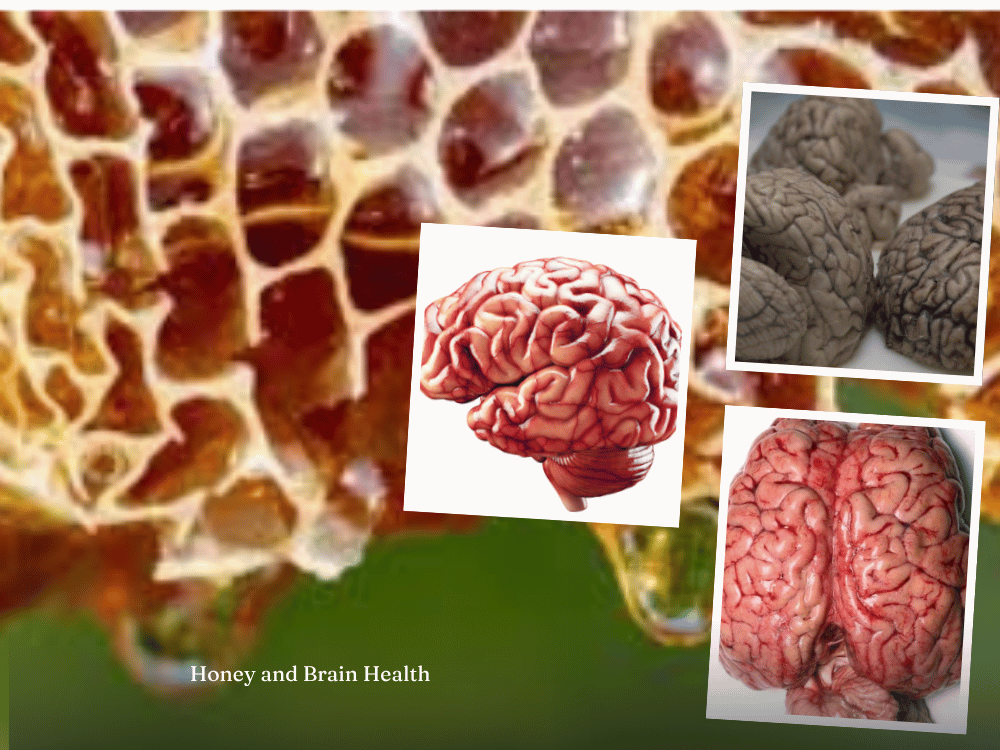
Description of Tetanus
Tetanus is a serious nervous system infection characterized by painful muscle contractions and stiffness.
The disease commonly affects:
- Neck muscles
- Jaw muscles
- Chest muscles
- Back muscles
- Facial muscles
During severe episodes, a person may experience:
- Neck stiffness
- Facial muscle distortion
- Difficulty breathing
- Difficulty speaking
- Difficulty swallowing
- Painful muscle spasms
Tetanus can occur after contaminated wounds and requires urgent medical treatment.
Prevention and Modern Treatment
The most effective protection against tetanus is vaccination. Treatment may include:
- Tetanus immune globulin
- Antibiotics
- Wound cleaning and care
- Medicines to control muscle spasms
- Supportive hospital care when necessary
Traditional External Paste for Muscle Stiffness
Ingredients
- Lime – 1 tola
- Pure honey – 1½ tolas
Preparation
- Grind the lime into a fine powder.
- Mix thoroughly with honey to form a paste.
- Apply the paste externally as described in traditional practice.
Traditional Use
Historical practitioners used this type of preparation for muscle discomfort and stiffness. However, it should not be used as a substitute for medical treatment, especially in cases of tetanus, seizures, or severe muscle spasms.Introduction
The human body is a remarkable system in which every organ performs its own function with precision and balance. Each part works in harmony with the others, ensuring that the body operates smoothly and efficiently. Even during sleep, many essential bodily functions continue without conscious effort. Likewise, in unconsciousness, vital processes such as breathing, circulation, and metabolism remain active.
The Brain: The Body’s Control Center
When we need nourishment, we naturally experience hunger and thirst. In response, the brain directs our body to search for food. It coordinates the movement of our legs to walk, our hands to pick up food, our mouth and jaws to chew, and our throat to swallow. After swallowing, the stomach and intestines begin digesting and absorbing nutrients. We also instinctively select foods that appeal to us while avoiding those that appear harmful or unpleasant. These complex actions demonstrate the brain’s remarkable ability to coordinate countless bodily functions.
The brain continuously sends signals to our muscles and organs, instructing them when to act and when to rest. Every part of the body responds to these commands, making the brain the body’s central control center, responsible for supervising and coordinating all physical activities.
How the Brain Communicates with the Nervous System
The brain functions like a highly advanced communication network. It constantly receives messages from every part of the body through the nervous system and processes this information within fractions of a second. Based on these signals, it sends precise instructions that enable the body to respond effectively to changing conditions.
Functions of the Brain
The brain performs many essential functions that support everyday life, including:
- Controlling body movement and coordination
- Enabling speech and communication
- Processing touch, sight, hearing, taste, and smell
- Regulating the perception of temperature and pain
- Storing and recalling memories
- Supporting learning, reasoning, and decision-making
- Managing emotions and behavior
- Helping us distinguish between right and wrong
Because the brain controls virtually every organ and body system, maintaining its health is essential for overall well-being.
Why Brain Health Matters
A healthy brain supports clear thinking, emotional balance, proper coordination, and effective communication throughout the nervous system. When brain function is impaired, other parts of the body may become uncoordinated or fail to perform their roles properly, disrupting the body’s overall balance and efficiency.
Structure and Protection of the Brain
The brain is safely enclosed within the skull, a strong bony structure that protects this delicate organ from injury. Since brain tissue is soft and fragile, it is surrounded by protective membranes and cushioned by cerebrospinal fluid, which absorbs shocks and helps protect the brain from damage. The scalp, consisting of several layers of tissue and hair, provides additional protection.
Among all living creatures, the human brain is the most highly developed. This extraordinary organ enables humans to think creatively, reason logically, communicate through language, and solve complex problems, setting us apart from other animals.
For easier understanding, the brain is commonly divided into four major parts, each responsible for specific functions. These parts will be discussed in the following sections.
Honey and Brain Health
Honey has been valued for centuries as a natural food that provides energy and contains beneficial compounds, including antioxidants. These antioxidants may help protect brain cells from oxidative stress, while the natural sugars in honey provide a quick source of energy for the brain.
Some scientific studies suggest that honey may support memory, learning, and cognitive function due to its antioxidant and anti-inflammatory properties. However, more high-quality clinical research is needed before definitive health claims can be made.
Can Honey Support the Nervous System?
Honey contains naturally occurring antioxidants, polyphenols, vitamins, and minerals that may help support overall nervous system health. By helping reduce oxidative stress and inflammation, honey may contribute to maintaining healthy nerve cells. However, it should not be considered a treatment or cure for neurological disorders.
Healthy Habits for a Strong Brain
While honey can be part of a healthy diet, maintaining brain and nervous system health also requires:
- Eating a balanced, nutrient-rich diet
- Exercising regularly
- Getting adequate sleep
- Managing stress effectively
- Staying mentally active
- Seeking appropriate medical care when needed
Forebrain: It is located in the front of the skull in two middle and back cavities and is in the form of two hemispheres with a deep fissure between them. There are protrusions on its upper surface, between which there are small complex cracks or grooves. There are also some chambers (ventricles) inside it. The higher centers of sensation, movement, and senses are in the cerebrum itself, and they issue commands to the subordinate centers.
Cerebrum: It is located in the posterior fossa of the lower skull at the back of the cerebrum. There are no protrusions on its surface, but rather long, rounded lines.
Midbrain or bridge: It connects the hemispheres of the cerebrum on both sides by revolving around the cerebrum.
Cervical spine (spinal cord): This is the upper, thick part of the spinal cord that goes up and ends in the middle brain and connects to the cerebrum that comes down from the brain.
The Spinal Cord: The Brain’s Communication Pathway
The spinal cord is a long, delicate bundle of nerve tissue that extends from the lower part of the brain through the spinal canal within the backbone. It serves as the main communication pathway between the brain and the rest of the body.
The spinal cord contains numerous nerve centers that transmit the brain’s motor commands to different parts of the body while carrying sensory information back to the brain. Through this continuous exchange of signals, we are able to move our muscles and experience sensations such as touch, pain, heat, cold, and pressure.
Protecting Brain Health
As the body’s control center, the brain plays a vital role in maintaining overall health. Protecting the brain is essential not only from physical injuries but also by adopting healthy habits that support its proper function.
Developing good character, maintaining emotional well-being, and avoiding harmful behaviors can contribute to better mental health. Chronic stress, poor lifestyle choices, and unhealthy habits may negatively affect concentration, decision-making, and overall cognitive performance.
Like every other organ, the brain requires regular stimulation, adequate nutrition, and sufficient rest to function at its best. A healthy circulatory system supplies the brain with oxygen-rich blood and essential nutrients needed for normal activity.
The Importance of Sleep
Quality sleep is one of the most important requirements for a healthy brain. During sleep, the brain processes information, strengthens memories, and restores its energy.
Young children generally require more sleep than adults. While sleep needs vary with age, children around eight years old often need approximately 9 to 12 hours of sleep each night to support healthy growth and brain development.
Another effective way to reduce mental fatigue is to switch between different types of tasks. For example, after spending time solving mathematical problems, reading a book or engaging in a creative activity allows different regions of the brain to become active while others rest, helping maintain mental performance.
Avoiding Harmful Substances
The brain is highly sensitive to harmful chemicals. Substances such as alcohol, tobacco, and recreational drugs can interfere with normal brain function and may cause long-term damage, particularly in children and adolescents whose brains are still developing.
Maintaining overall health also helps protect the brain. Proper hydration, regular physical activity, a balanced diet, and healthy digestion support the body’s natural ability to eliminate waste products. When the body functions efficiently, the brain receives the oxygen and nutrients it needs for optimal performance.
Memory and Mental Performance
Memory is one of the brain’s most remarkable abilities. Difficulty remembering information may sometimes result from stress, fatigue, insufficient sleep, illness, or mental overload.
To improve memory and concentration:
- Get enough quality sleep.
- Take regular breaks during study or work.
- Eat a balanced, nutritious diet.
- Stay physically active.
- Keep the brain mentally engaged through reading, learning, and problem-solving.
- Avoid excessive stress whenever possible.
Giving the brain adequate rest is just as important as exercising it.
Honey and Brain Health
Honey has long been valued as a natural food that provides quick energy and contains antioxidants, vitamins, minerals, and beneficial plant compounds. These nutrients may help protect brain cells from oxidative stress and support overall brain function.
Some scientific studies suggest that honey may contribute to improved memory and cognitive performance due to its antioxidant and anti-inflammatory properties. However, more high-quality clinical research is needed to confirm these potential benefits.
Honey in Traditional Medicine
In many traditional systems of medicine, honey mixed with water has been used as a nourishing drink during recovery from illness or periods of weakness. While these traditional practices have a long history, there is currently no strong scientific evidence that honey water alone can treat mental illnesses or neurological disorders.
Honey may be enjoyed as part of a balanced diet, but it should not replace professional medical diagnosis or treatment for brain or nervous system diseases.
Honey Water: Traditional Preparation and Its Role in Brain and Nervous System Health
Traditional Preparation of Honey Water
In traditional medicine, honey water has long been used as a nourishing drink.
A traditional method of preparation is as follows:
- Mix 2 cups of pure honey with 4 cups of clean water.
- Bring the mixture to a gentle boil.
- Remove any foam that forms during boiling.
- Continue simmering until the mixture is reduced to approximately 4 cups.
- Allow it to cool before use.
This preparation is commonly referred to as simple honey water.
Traditional Uses of Honey Water
According to traditional herbal medicine, honey water has been used to:
- Support healthy digestion.
- Stimulate the appetite.
- Promote normal urination.
- Help loosen thick mucus and respiratory secretions.
- Provide natural energy during recovery from illness.
- Support general wellness and vitality.
Some traditional practitioners have also recommended honey water for joint discomfort and conditions affecting the nervous system. However, these traditional uses are based on historical practice and have not been confirmed by modern clinical research.
Dosage
Traditional texts describe using honey water in small quantities, with the amount adjusted according to the individual’s age, health, and tolerance. If a person found the preparation too concentrated or too sweet, a larger proportion of water was recommended to dilute it.
Today, honey should be consumed in moderation as part of a balanced diet. Individuals with diabetes or other medical conditions should consult a healthcare professional regarding appropriate intake.
Paralysis (Stroke): Understanding the Condition
Paralysis is a condition in which a person loses the ability to move one or more parts of the body. A common cause is stroke, which occurs when the blood supply to part of the brain is interrupted or when a blood vessel in the brain ruptures. As a result, brain cells are damaged, leading to weakness or paralysis, often affecting one side of the body.
Stroke may also cause:
- Difficulty speaking or understanding language
- Facial drooping
- Loss of balance or coordination
- Vision problems
- Numbness or weakness in the face, arm, or leg
- Sudden severe headache (in some cases)
The risk of stroke increases with age and is also associated with conditions such as high blood pressure, diabetes, high cholesterol, smoking, obesity, and heart disease.
Emergency Treatment for Stroke
A stroke is a medical emergency. Anyone experiencing symptoms should receive immediate medical attention because early treatment greatly improves the chances of recovery.
Modern treatment focuses on:
- Restoring blood flow when appropriate.
- Controlling blood pressure.
- Managing blood sugar and other risk factors.
- Preventing further brain injury.
- Beginning rehabilitation through physical, occupational, and speech therapy.
Historical treatments such as bloodletting, starvation, or strong laxatives are not recommended in modern medicine and should not be used to treat stroke.
Honey and Stroke Recovery
Honey is a nutritious natural food containing carbohydrates, antioxidants, vitamins, minerals, and beneficial plant compounds. During recovery from illness, it may provide energy and contribute to a balanced diet.
Some laboratory and animal studies suggest that honey’s antioxidant and anti-inflammatory properties may help protect cells from oxidative stress. However, there is currently no reliable clinical evidence that honey can prevent, cure, or treat paralysis or stroke.
Honey should therefore be considered a supportive food rather than a medical treatment. Anyone recovering from a stroke should follow the treatment plan recommended by qualified healthcare professionals.
Traditional Honey-Based Majoon Recipes
Important: The following formulations are traditional herbal preparations recorded in traditional medicine. Their claimed therapeutic benefits have not been confirmed by modern clinical research. They should not be used as a substitute for professional medical treatment, especially for serious conditions such as stroke or paralysis.
Traditional Majoon Jalaj Recipe
Ingredients
- 500 g peeled garlic
- 3 cups fresh cow’s milk
- 500 g desi ghee (clarified butter)
- 1 cup black pepper
- 1 cup long pepper (Piper longum)
- 1 cup dried ginger powder
- 1 cup cinnamon
- 1 cup cubeb pepper (Kabab Chini)
- 1 cup javitri (mace)*
- 1 cup agarwood (agar)
- 1 cup galangal (Kholanjan)
- 7 g saffron (or the amount specified in the original traditional formula)
- 3 cups pure honey
*The original text appears to contain a transcription error (“jojoba”). In traditional Unani formulations, javitri (mace) is commonly used.
Preparation
- Lightly crush the peeled garlic.
- Add the garlic to the fresh cow’s milk in a suitable cooking vessel.
- Simmer over low heat until the garlic becomes soft and blends well with the milk.
- Mash the softened garlic thoroughly.
- Add the desi ghee and cook gently until the mixture is well roasted.
- Add the powdered black pepper, long pepper, dried ginger, cinnamon, cubeb pepper, mace, agarwood, galangal, and saffron.
- Stir and cook gently for a short time.
- Remove from the heat and allow the mixture to cool.
- Finally, add the honey and mix thoroughly until a smooth herbal paste (Majoon) is formed.
- Store the preparation in a clean, airtight glass container.
Traditional Use
Traditional practitioners have used this preparation as a general tonic and have recommended it for weakness, joint discomfort, and certain neurological conditions. Some historical texts also describe its use for paralysis and disorders of the liver and spleen.
However, there is no reliable scientific evidence that this preparation can cure paralysis, stroke, or other neurological diseases. Individuals with these conditions should seek prompt medical care.
Because this preparation contains concentrated honey, ghee, and warming spices, excessive consumption may not be suitable for everyone, particularly people with diabetes, digestive disorders, or high blood pressure.
Traditional Majoon for Paralysis
Ingredients
- Saffron – 1½ masha
- Dar Filfil (Long Pepper) – 2 masha
- Pure Musk – ½ masha
- Harad (Chebulic Myrobalan) – 1 tola
- Aqarqarha (Anacyclus pyrethrum) – 3 masha
- Javitri (Mace) – 3 masha
- Nutmeg – 3 masha
- Galangal (Kholanjan) – 3 masha
- Cloves – 3 masha
- Cinnamon – 3 masha
- Black Pepper – 3 masha
- Cardamom Powder – 6 masha
- Pure Honey – Three times the combined weight of all the powdered ingredients
Preparation
- Finely grind all the dry ingredients except the saffron and honey.
- Mix the powdered herbs thoroughly with the honey.
- Add the saffron and blend until a uniform paste is obtained.
- Store the preparation in a clean, airtight glass container.
Traditional Use
According to traditional Unani medicine, this preparation has been used as a restorative tonic and has been recommended for weakness, dizziness, fatigue, and certain disorders affecting the nervous system.
Historically, it was often taken with nourishing foods such as chicken or pigeon broth.
Traditional Honey-Based Herbal Remedies for Paralysis
Important: The following formulations are traditional remedies described in historical herbal and Unani medicine. They are not scientifically proven treatments for paralysis, stroke, epilepsy, or other neurological disorders and should not replace emergency medical care or treatment prescribed by a qualified healthcare professional.
Traditional Honey, Ginger, and Onion Preparation
Ingredients
- Pure honey
- Fresh ginger juice
- Fresh onion juice
Use all ingredients in equal quantities.
Preparation
- Mix the honey, ginger juice, and onion juice thoroughly.
- Pour the mixture into a clean glass bottle, leaving approximately one-quarter of the bottle empty.
- Seal the bottle and store it in a cool, shaded place.
- Allow the mixture to mature for 3 to 5 days before use.
Traditional Use
Traditional practitioners recommended beginning with a small amount and gradually increasing the quantity according to individual tolerance. Historically, this preparation was used for paralysis and certain digestive disorders.
However, there is no reliable scientific evidence that this mixture can treat paralysis or neurological diseases.
Traditional Herbal Tablets for Paralysis
Ingredients
- Mudabbar (processed herb) – 1 tola
- Fenugreek seeds – 1 tola
- Black pepper – 6 masha
- Malkangani (Celastrus paniculatus) – 6 masha
- Mukhal Arzaq – 6 masha
- Honey water – 1 bottle
Preparation
- Dissolve the Mukhal Arzaq in water.
- Finely grind the remaining dry ingredients.
- Mix the powders into the prepared solution.
- Knead the mixture into small tablets, approximately 1 gram each.
- Allow the tablets to dry before storing.
Traditional Use
Traditional texts describe taking one tablet in the morning and one in the evening with honey.
Historically, this preparation was recommended for paralysis, epilepsy, and certain liver disorders. These traditional claims have not been confirmed by modern clinical research.
Traditional Remedy for Paralysis Associated with Digestive Disorders
Ingredients
- Baboon flowers – 2 tolas
- Aklil al-Mulk – 2 tolas
- Khatmi seeds – 2 tolas
- Hasha – 2 tolas
- Qanturiyun (Centaury) – 2 tolas
- White Turbud – 1 tola
- Senna leaves – 1 tola
- Jujubes – 20 pieces
- Multani seed – 5 tolas
- Red sugar – 4 tolas
- Fig oil – 2 tolas
- Cow tongue extract (Gaozaban) – 20 tolas
- Pure honey – 5 tolas
Preparation
Medicine No. 1
- Place all the herbal ingredients except the cow tongue extract, honey, and fig oil into a large pot.
- Add approximately 200 ml of water.
- Boil until the active constituents are extracted.
- While still warm, mash the herbs thoroughly.
- Strain the liquid.
- Add the fig oil and mix well.
Medicine No. 2
- Combine the cow tongue extract with the honey.
- Simmer gently until the volume is reduced by approximately one-third.
- Allow the mixture to cool.
- Store it in a clean glass container.
Traditional Use
Traditional practitioners recommended using Medicine No. 1 as part of cleansing procedures and Medicine No. 2 as a nourishing preparation during recovery.
These practices belong to traditional medicine and are not supported by modern evidence as treatments for paralysis or stroke.
Traditional Herbal Preparation for Speech Difficulties After Paralysis
Ingredients
- Fennel (Badian) – 7 masha
- Fennel root – 7 masha
- Karz root – 7 masha
- Azkhar root – 7 masha
- Parsiyaushan – 7 masha
- Liquorice root (Asal-us-Sus) – 5 masha
- Yellow figs – 4 pieces
- Cow tongue (Gaozaban) – 5 masha
- Ustukhuddus (Lavender) – 7 masha
- Tukham Kathus – 5 masha
- Darparcha Kabta
Preparation
- Place all the herbs in one cup of hot water.
- Leave them to soak overnight.
- The following morning, mix thoroughly.
- Strain the liquid.
- Add 4 tolas of pure honey and stir well.
- Store the preparation in a clean glass bottle.
Traditional Use
In traditional medicine, this preparation was recommended for speech difficulties, including stuttering following paralysis. It was also considered a general tonic for nervous system weakness.
Modern Medical Perspective
Speech difficulties following a stroke or paralysis are best treated through speech and language therapy, rehabilitation, and appropriate medical care. While honey may provide nutritional benefits as part of a balanced diet, there is no clinical evidence that honey or these herbal formulations can restore speech or reverse paralysis.
Additional Traditional Honey-Based Remedies for Paralysis and Nerve Weakness
Disclaimer: The following formulations are traditional remedies from historical herbal and Unani medicine. Their effectiveness for treating paralysis, stroke, or neurological disorders has not been established by modern scientific evidence. Anyone with symptoms of stroke or paralysis should seek immediate medical care.
Traditional Honey and Star Anise Preparation
Ingredients
- Star anise – 5 g
- Cow tongue (Gaozaban) extract – 12 tolas
- Pure honey – 2 tolas
Preparation
- Place all the ingredients in a suitable cooking vessel.
- Simmer gently for a few minutes.
- Remove from the heat and use while still lukewarm.
Traditional Use
Traditionally, this preparation was taken with nourishing foods such as chicken or pigeon soup. It was believed to support digestion, strengthen the body, and aid recovery from paralysis.
However, there is no clinical evidence that this preparation can treat paralysis or restore neurological function.
Traditional Herbal Paste for Paralysis
Ingredients
- Senna leaves – 7 g
- Orange pulp or extract – 4 tolas
- White sugar – 5 tolas
- Red sugar – 4 tolas
- Almond extract – 5 units (as described in the original text)
- Pure honey – 4 tolas
Preparation
- Grind all the ingredients into a fine mixture.
- Add the honey and mix thoroughly until a smooth paste forms.
- Store in a clean glass container.
Traditional Use
Historical texts recommend taking a measured amount each morning. This preparation was traditionally believed to support recovery from paralysis and promote bowel regularity.
These traditional claims have not been validated by modern medical research.
Traditional Remedy for Nerve Weakness and Paralysis
Ingredients
Stage 1
- Pure honey
- Water
- Star anise – 6 g
Stage 2
- Star anise – 7 g
- Raisins – 1 tola
- Celery seeds – 7 g
- Azkhar seeds – 7 g
- Yellow figs – 4
- Kasthut seeds – 5 g
- Dried lavender (Ustukhuddus) – 7 g
- Liquorice root (Asl-us-Sus) – 5 g
- Parsiyaushan – 7 masha
- Gaozaban – 5 tolas
- Musk preparation – 5 masha
- Aniseed – 12 tolas
- Honey – 2 tolas
- Red caraway – 6 masha
- Dried ginger – 6 masha
Traditional Preparation
Traditional texts describe a multi-stage preparation involving:
- Boiling honey with water.
- Soaking the herbs overnight in hot water.
- Straining the herbal infusion.
- Mixing the strained liquid with honey.
- Preparing additional herbal mixtures for later stages of use.
A nourishing diet, including chicken broth or pigeon soup, was traditionally recommended during recovery.
Traditional Use
Historically, this formulation was used for:
- Nervous weakness
- Digestive weakness
- Age-related paralysis
- General physical debility
These traditional uses have not been confirmed through modern clinical studies.
Traditional Honey Preparation After Stroke
Ingredients
- Sugarcane – 5 tolas
- Cow tongue (Gaozaban) juice – 20 tolas
- Pure honey – 2 tolas
Preparation
- Grind the sugarcane into a fine powder.
- Add it to the Gaozaban juice.
- Simmer over low heat until the mixture is reduced to approximately one-quarter of its original volume.
- Add the honey and stir well.
- Allow the preparation to cool before storing.
Traditional Use
Traditional practitioners recommended taking a measured quantity of this preparation with honey water during recovery from weakness following stroke or paralysis.
Additional herbal mixtures and massage oils were also traditionally used to support recovery.
Modern Medical Perspective
Recovery after a stroke depends on prompt emergency treatment followed by rehabilitation, including physical therapy, occupational therapy, speech therapy, and appropriate medical management.
Although honey is a nutritious food containing natural sugars and antioxidants, there is no reliable scientific evidence that honey or these traditional herbal preparations can reverse paralysis, restore nerve function, or treat complications of stroke.
Description of Facial Paralysis (Laqwah)
What Is Laqwah?
In traditional Unani medicine, Laqwah refers to facial paralysis, a condition that affects the muscles of one side of the face. Although it shares some similarities with general paralysis in terms of traditional causes and treatment, Laqwah specifically involves the facial muscles and the nerves that control facial movement.
Today, many cases of sudden facial paralysis are diagnosed as Bell’s palsy, while facial weakness may also occur as a result of stroke, nerve injury, infections, or other neurological disorders. Because the causes differ, an accurate medical diagnosis is essential.
Signs and Symptoms
Traditional descriptions of Laqwah include the following symptoms:
- Drooping or pulling of one side of the face
- Difficulty closing one eye completely
- A crooked or uneven mouth
- Drooling or leakage of saliva
- Difficulty speaking clearly
- Facial asymmetry that becomes more noticeable while smiling or laughing
- Twitching of the facial muscles before the onset of weakness
- Pain around the back of the head or behind the ear
- Dizziness in some individuals
- Reduced appetite
- Constipation
- Increased sensitivity to cold on the affected side of the face
- Excessive tearing or watering of the affected eye
As the condition progresses, the facial muscles become weaker, making it difficult to smile, whistle, rinse the mouth, or completely close the eyelid.
Traditional Treatment
Classical Unani texts describe the early use of honey water as a nourishing drink and recommend honey in various herbal preparations. Herbal pastes and massage were also traditionally employed to support recovery.
These treatments are part of traditional medical practice. Modern scientific evidence does not support honey or herbal preparations as a cure for facial paralysis or Bell’s palsy.
Prognosis
Historically, some physicians believed that facial paralysis became difficult or impossible to cure after six months. Modern medicine, however, recognizes that recovery depends on several factors, including:
- The underlying cause of the paralysis
- The severity of nerve damage
- The patient’s age and overall health
- How quickly appropriate treatment begins
Many people with Bell’s palsy recover partially or completely, especially when treatment is started early. Recovery from facial paralysis caused by a stroke depends on the extent of brain injury and the effectiveness of rehabilitation.
Older adults and individuals with severe nerve damage may experience a slower or less complete recovery, but the duration of symptoms alone does not determine whether improvement is possible.
Modern Medical Perspective
Anyone who develops sudden facial weakness should seek immediate medical evaluation, particularly if the symptoms occur suddenly or are accompanied by weakness in an arm or leg, difficulty speaking, severe headache, or vision changes. These symptoms may indicate a stroke, which is a medical emergency requiring urgent treatment.
Treatment depends on the cause and may include:
- Corticosteroids for Bell’s palsy when appropriate
- Antiviral medication in selected cases
- Eye protection and lubricating eye drops if the eyelid cannot close completely
- Physical therapy and facial muscle exercises
- Speech therapy when speech or swallowing is affected
- Emergency stroke treatment and rehabilitation when facial paralysis results from a stroke
Honey and Recovery
Honey is a nutritious natural food that provides carbohydrates, antioxidants, vitamins, and minerals. As part of a balanced diet, it may support general health and provide energy during recovery from illness. However, there is no reliable clinical evidence that honey can cure facial paralysis, Bell’s palsy, or stroke-related paralysis.
Traditional Honey-Based Remedies for Facial Paralysis, Memory, and Tremors
Important: The following remedies originate from traditional Unani and herbal medicine. Their historical uses do not constitute scientific proof of effectiveness. They should not replace professional medical diagnosis or treatment for neurological disorders.
Traditional Honey Paste for Facial Paralysis (Laqwah)
Ingredients
- Aqarqarha (Anacyclus pyrethrum) – 1 tola
- Dry ginger (Sonth) – 1 tola
- Mustard seeds – 1 tola
- Waj (Sweet Flag, Acorus calamus) – 1 tola
- Javitri (Mace) – 9 masha*
- Long pepper (Dar Filfil) – 9 masha
- Cloves – 6 masha
- Mastic (Mastagi Rumi) – 6 masha
- Pure honey – equal in weight to the total amount of powdered herbs
*The original manuscript appears to contain the word “jojoba,” which is likely a transcription error. Traditional formulations commonly use javitri (mace).
Preparation
- Grind all the herbs into a fine powder.
- Add an equal weight of pure honey.
- Mix thoroughly until a smooth paste is formed.
- Store the preparation in a clean, airtight container.
Traditional Use
According to traditional practice, a small amount of the paste was applied inside the mouth with a clean finger while allowing saliva to flow naturally.
Historically, prolonged use was believed to support recovery from facial paralysis. However, there is no scientific evidence that this preparation can cure Bell’s palsy or other forms of facial paralysis.
Traditional Honey and Nutmeg Remedy
Ingredients
- Nutmeg
- Pure honey
- Warm anise honey water (traditional preparation)
Traditional Directions
Traditional texts recommend:
- Resting in a quiet environment.
- Holding a piece of nutmeg in the mouth.
- Drinking warm honey-anise water several times daily.
- Following a light, nourishing diet after several days.
These recommendations are part of traditional medicine and should not replace modern medical treatment.
Forgetfulness (Memory Weakness)
Traditional Description
Traditional medicine attributed forgetfulness to an imbalance affecting the brain and believed that memory weakness could result from excess “coldness” within the body.
Modern medicine recognizes that memory problems may result from many causes, including:
- Aging
- Stress
- Sleep deprivation
- Depression
- Vitamin deficiencies
- Medication side effects
- Neurological diseases such as Alzheimer’s disease and other dementias
Persistent memory loss should always be evaluated by a qualified healthcare professional.
Traditional Memory Tonic
Ingredients
- Malkangani (Celastrus paniculatus) powder – 12 tolas
- Long pepper (Dar Filfil) – 10 tolas
- Dry ginger – 10 tolas
- Aqarqarha – 1 tola
- Cow’s ghee
- Pure honey
Preparation
- Grind all the herbs into a fine powder.
- Mix with cow’s ghee.
- Add a small quantity of pure honey.
- Blend thoroughly to obtain a smooth paste.
- Store in a clean glass container.
Traditional Use
This preparation has traditionally been regarded as a brain tonic and memory-supporting formulation.
Although some of its herbal ingredients are being studied for possible neurological benefits, there is currently insufficient clinical evidence to conclude that this preparation improves memory or prevents cognitive decline.
Tremors
Description
Tremors are involuntary, rhythmic shaking movements that most commonly affect the hands but may also involve the head, legs, or other parts of the body.
Although tremors become more common with advancing age, they can also occur in younger individuals due to various medical conditions.
Modern causes of tremors include:
- Essential tremor
- Parkinson’s disease
- Thyroid disorders
- Medication side effects
- Anxiety
- Metabolic disorders
- Certain neurological diseases
Anyone who develops persistent or worsening tremors should seek medical evaluation to determine the underlying cause.
Traditional Honey Paste for Tremors
Ingredients
- Rainwater – 3 measures
- Pure honey – 500 g
- White pepper – 4 masha
- Dry ginger – 4 masha
- Galangal (Kholanjan) – 4 masha
- Mastic (Mastagi Rumi) – 4 masha
Preparation
- Combine the rainwater and honey in a large cooking vessel.
- Heat gently over low heat.
- Remove any foam that forms on the surface.
- Finely grind the remaining herbs.
- Add the powdered herbs to the honey mixture.
- Continue stirring while simmering until the mixture thickens into a paste.
- Allow it to cool before storing.
Traditional Use
Traditional practitioners used this preparation as a tonic for individuals experiencing weakness, tremors, or paralysis.
Modern Medical Perspective
While honey contains natural sugars and antioxidant compounds that may support general health, there is no reliable scientific evidence that honey or these herbal formulations can treat tremors, Parkinson’s disease, paralysis, or other neurological disorders.
Traditional Description of Spasms, Convulsions, and Tetanus
Important: The following information describes traditional medical concepts and herbal preparations. These remedies are part of historical medicine and are not proven treatments for seizures, tetanus, or neurological disorders. Conditions involving convulsions, muscle stiffness, or breathing difficulties require professional medical evaluation.
Description of Spasms and Muscle Disorders
In traditional medicine, difficulty in expanding a limb or organ was described as a type of spasm, while difficulty in contraction was described as relaxation. When both movement and contraction became difficult, the condition was referred to as Tamad.
These conditions were traditionally considered similar to paralysis, and their treatment was believed to follow similar principles.
Frequent convulsive episodes were considered serious and required immediate attention.
Traditional Understanding of Causes
Traditional medical texts associated spasms and related conditions with factors such as:
- Excessive phlegm or thick bodily secretions
- Weakness of the nerves
- Imbalance of bodily fluids
- Long-term illness and physical weakness
According to traditional beliefs, when the body’s fluids became excessively thick or dry, nerve function could become affected, leading to stiffness, weakness, or involuntary movements.
Traditional treatment approaches emphasized:
- Reducing thick secretions
- Softening and balancing the body’s fluids
- Supporting digestion
- Removing waste products through traditional cleansing methods
Modern medicine, however, recognizes that spasms and seizures can have many different causes, including neurological disorders, infections, injuries, metabolic problems, medication effects, and genetic conditions.
Other Conditions Associated with Spasms
Historical texts described spasms occurring in different situations, including:
- Hysteria-like conditions
- Childhood convulsions
- Digestive disorders
- Severe dehydration or weakness after prolonged illness
Some traditional descriptions linked certain types of spasms with dryness and weakness of the nerves.
Today, involuntary muscle contractions may be associated with conditions such as epilepsy, movement disorders, electrolyte imbalance, or nervous system injuries.
Causes of Severe Convulsions and Tetanus
Traditional medicine described severe spasms as occurring due to disturbances affecting the brain and nerves.
Modern medicine identifies tetanus as a serious infectious disease caused by the bacterium Clostridium tetani. It commonly enters the body through wounds and produces a toxin that affects the nervous system.
Symptoms may include:
- Severe muscle stiffness
- Painful muscle spasms
- Tightness of the jaw (“lockjaw”)
- Difficulty swallowing
- Neck and back stiffness
- Breathing difficulties
Without proper medical treatment, tetanus can be life-threatening.
Traditional Herbal Preparation for Spasms
Ingredients
Preparation No. 1
- Fennel (Badian) – 7 g
- Celery seeds – 7 g
- Kasni seeds – 5 g
- Yellow figs – 5 pieces
- Fresh raisins – as specified in the traditional formula
- Parsiyaushan – 5 g
- Anb al-Thalab (traditional herb) – 5 g
- Khatmi (mallow) – 7 g
- Liquorice root (Asl-us-Sus) – 5 g
- Ustukhuddus (lavender) – 5 g
- Pure honey – 4 tolas
Preparation
- Place all ingredients except honey in warm water.
- Leave them to soak overnight.
- Grind the ingredients the next morning.
- Extract and strain the liquid.
- Mix the strained liquid with honey.
Preparation No. 2
Ingredients:
- Gaozaban (cow tongue herb) – 5 g
- Gaozaban extract – 6 g
- Anb al-Thalab – 6 g
- Pure honey – 2 tolas
Preparation:
- Combine all ingredients.
- Boil gently.
- Allow the mixture to cool until lukewarm.
- Strain before use.
Traditional Use
Traditional practitioners recommended using these preparations according to a schedule and taking Atrifal Zamani once weekly at bedtime.
Historically, this formula was considered supportive for nerve weakness and spasmodic conditions. However, there is no modern clinical evidence proving that it can treat seizures or neurological disorders.
Description of Tetanus
Tetanus is a serious nervous system infection characterized by painful muscle contractions and stiffness.
The disease commonly affects:
- Neck muscles
- Jaw muscles
- Chest muscles
- Back muscles
- Facial muscles
During severe episodes, a person may experience:
- Neck stiffness
- Facial muscle distortion
- Difficulty breathing
- Difficulty speaking
- Difficulty swallowing
- Painful muscle spasms
Tetanus can occur after contaminated wounds and requires urgent medical treatment.
Prevention and Modern Treatment
The most effective protection against tetanus is vaccination. Treatment may include:
- Tetanus immune globulin
- Antibiotics
- Wound cleaning and care
- Medicines to control muscle spasms
- Supportive hospital care when necessary
Traditional External Paste for Muscle Stiffness
Ingredients
- Lime – 1 tola
- Pure honey – 1½ tolas
Preparation
- Grind the lime into a fine powder.
- Mix thoroughly with honey to form a paste.
- Apply the paste externally as described in traditional practice.
Traditional Use
Historical practitioners used this type of preparation for muscle discomfort and stiffness. However, it should not be used as a substitute for medical treatment, especially in cases of tetanus, seizures, or severe muscle spasms.
Honey and Brain Health: How Honey Supports Healthy Nervous System Function
Introduction
The human body is a remarkable system in which every organ performs its own function with precision and balance. Each part works in harmony with the others, ensuring that the body operates smoothly and efficiently. Even during sleep, many essential bodily functions continue without conscious effort. Likewise, in unconsciousness, vital processes such as breathing, circulation, and metabolism remain active.
The Brain: The Body’s Control Center
When we need nourishment, we naturally experience hunger and thirst. In response, the brain directs our body to search for food. It coordinates the movement of our legs to walk, our hands to pick up food, our mouth and jaws to chew, and our throat to swallow. After swallowing, the stomach and intestines begin digesting and absorbing nutrients. We also instinctively select foods that appeal to us while avoiding those that appear harmful or unpleasant. These complex actions demonstrate the brain’s remarkable ability to coordinate countless bodily functions.
The brain continuously sends signals to our muscles and organs, instructing them when to act and when to rest. Every part of the body responds to these commands, making the brain the body’s central control center, responsible for supervising and coordinating all physical activities.
How the Brain Communicates with the Nervous System
The brain functions like a highly advanced communication network. It constantly receives messages from every part of the body through the nervous system and processes this information within fractions of a second. Based on these signals, it sends precise instructions that enable the body to respond effectively to changing conditions.
Functions of the Brain
The brain performs many essential functions that support everyday life, including:
- Controlling body movement and coordination
- Enabling speech and communication
- Processing touch, sight, hearing, taste, and smell
- Regulating the perception of temperature and pain
- Storing and recalling memories
- Supporting learning, reasoning, and decision-making
- Managing emotions and behavior
- Helping us distinguish between right and wrong
Because the brain controls virtually every organ and body system, maintaining its health is essential for overall well-being.
Why Brain Health Matters
A healthy brain supports clear thinking, emotional balance, proper coordination, and effective communication throughout the nervous system. When brain function is impaired, other parts of the body may become uncoordinated or fail to perform their roles properly, disrupting the body’s overall balance and efficiency.
Structure and Protection of the Brain
The brain is safely enclosed within the skull, a strong bony structure that protects this delicate organ from injury. Since brain tissue is soft and fragile, it is surrounded by protective membranes and cushioned by cerebrospinal fluid, which absorbs shocks and helps protect the brain from damage. The scalp, consisting of several layers of tissue and hair, provides additional protection.
Among all living creatures, the human brain is the most highly developed. This extraordinary organ enables humans to think creatively, reason logically, communicate through language, and solve complex problems, setting us apart from other animals.
For easier understanding, the brain is commonly divided into four major parts, each responsible for specific functions. These parts will be discussed in the following sections.
Honey and Brain Health
Honey has been valued for centuries as a natural food that provides energy and contains beneficial compounds, including antioxidants. These antioxidants may help protect brain cells from oxidative stress, while the natural sugars in honey provide a quick source of energy for the brain.
Some scientific studies suggest that honey may support memory, learning, and cognitive function due to its antioxidant and anti-inflammatory properties. However, more high-quality clinical research is needed before definitive health claims can be made.
Can Honey Support the Nervous System?
Honey contains naturally occurring antioxidants, polyphenols, vitamins, and minerals that may help support overall nervous system health. By helping reduce oxidative stress and inflammation, honey may contribute to maintaining healthy nerve cells. However, it should not be considered a treatment or cure for neurological disorders.
Healthy Habits for a Strong Brain
While honey can be part of a healthy diet, maintaining brain and nervous system health also requires:
- Eating a balanced, nutrient-rich diet
- Exercising regularly
- Getting adequate sleep
- Managing stress effectively
- Staying mentally active
- Seeking appropriate medical care when needed
Forebrain: It is located in the front of the skull in two middle and back cavities and is in the form of two hemispheres with a deep fissure between them. There are protrusions on its upper surface, between which there are small complex cracks or grooves. There are also some chambers (ventricles) inside it. The higher centers of sensation, movement, and senses are in the cerebrum itself, and they issue commands to the subordinate centers.
Cerebrum: It is located in the posterior fossa of the lower skull at the back of the cerebrum. There are no protrusions on its surface, but rather long, rounded lines.
Midbrain or bridge: It connects the hemispheres of the cerebrum on both sides by revolving around the cerebrum.
Cervical spine (spinal cord): This is the upper, thick part of the spinal cord that goes up and ends in the middle brain and connects to the cerebrum that comes down from the brain.
The Spinal Cord: The Brain’s Communication Pathway
The spinal cord is a long, delicate bundle of nerve tissue that extends from the lower part of the brain through the spinal canal within the backbone. It serves as the main communication pathway between the brain and the rest of the body.
The spinal cord contains numerous nerve centers that transmit the brain’s motor commands to different parts of the body while carrying sensory information back to the brain. Through this continuous exchange of signals, we are able to move our muscles and experience sensations such as touch, pain, heat, cold, and pressure.
Protecting Brain Health
As the body’s control center, the brain plays a vital role in maintaining overall health. Protecting the brain is essential not only from physical injuries but also by adopting healthy habits that support its proper function.
Developing good character, maintaining emotional well-being, and avoiding harmful behaviors can contribute to better mental health. Chronic stress, poor lifestyle choices, and unhealthy habits may negatively affect concentration, decision-making, and overall cognitive performance.
Like every other organ, the brain requires regular stimulation, adequate nutrition, and sufficient rest to function at its best. A healthy circulatory system supplies the brain with oxygen-rich blood and essential nutrients needed for normal activity.
The Importance of Sleep
Quality sleep is one of the most important requirements for a healthy brain. During sleep, the brain processes information, strengthens memories, and restores its energy.
Young children generally require more sleep than adults. While sleep needs vary with age, children around eight years old often need approximately 9 to 12 hours of sleep each night to support healthy growth and brain development.
Another effective way to reduce mental fatigue is to switch between different types of tasks. For example, after spending time solving mathematical problems, reading a book or engaging in a creative activity allows different regions of the brain to become active while others rest, helping maintain mental performance.
Avoiding Harmful Substances
The brain is highly sensitive to harmful chemicals. Substances such as alcohol, tobacco, and recreational drugs can interfere with normal brain function and may cause long-term damage, particularly in children and adolescents whose brains are still developing.
Maintaining overall health also helps protect the brain. Proper hydration, regular physical activity, a balanced diet, and healthy digestion support the body’s natural ability to eliminate waste products. When the body functions efficiently, the brain receives the oxygen and nutrients it needs for optimal performance.
Memory and Mental Performance
Memory is one of the brain’s most remarkable abilities. Difficulty remembering information may sometimes result from stress, fatigue, insufficient sleep, illness, or mental overload.
To improve memory and concentration:
- Get enough quality sleep.
- Take regular breaks during study or work.
- Eat a balanced, nutritious diet.
- Stay physically active.
- Keep the brain mentally engaged through reading, learning, and problem-solving.
- Avoid excessive stress whenever possible.
Giving the brain adequate rest is just as important as exercising it.
Honey and Brain Health
Honey has long been valued as a natural food that provides quick energy and contains antioxidants, vitamins, minerals, and beneficial plant compounds. These nutrients may help protect brain cells from oxidative stress and support overall brain function.
Some scientific studies suggest that honey may contribute to improved memory and cognitive performance due to its antioxidant and anti-inflammatory properties. However, more high-quality clinical research is needed to confirm these potential benefits.
Honey in Traditional Medicine
In many traditional systems of medicine, honey mixed with water has been used as a nourishing drink during recovery from illness or periods of weakness. While these traditional practices have a long history, there is currently no strong scientific evidence that honey water alone can treat mental illnesses or neurological disorders.
Honey may be enjoyed as part of a balanced diet, but it should not replace professional medical diagnosis or treatment for brain or nervous system diseases.
Honey Water: Traditional Preparation and Its Role in Brain and Nervous System Health
Traditional Preparation of Honey Water
In traditional medicine, honey water has long been used as a nourishing drink.
A traditional method of preparation is as follows:
- Mix 2 cups of pure honey with 4 cups of clean water.
- Bring the mixture to a gentle boil.
- Remove any foam that forms during boiling.
- Continue simmering until the mixture is reduced to approximately 4 cups.
- Allow it to cool before use.
This preparation is commonly referred to as simple honey water.
Traditional Uses of Honey Water
According to traditional herbal medicine, honey water has been used to:
- Support healthy digestion.
- Stimulate the appetite.
- Promote normal urination.
- Help loosen thick mucus and respiratory secretions.
- Provide natural energy during recovery from illness.
- Support general wellness and vitality.
Some traditional practitioners have also recommended honey water for joint discomfort and conditions affecting the nervous system. However, these traditional uses are based on historical practice and have not been confirmed by modern clinical research.
Dosage
Traditional texts describe using honey water in small quantities, with the amount adjusted according to the individual’s age, health, and tolerance. If a person found the preparation too concentrated or too sweet, a larger proportion of water was recommended to dilute it.
Today, honey should be consumed in moderation as part of a balanced diet. Individuals with diabetes or other medical conditions should consult a healthcare professional regarding appropriate intake.
Paralysis (Stroke): Understanding the Condition
Paralysis is a condition in which a person loses the ability to move one or more parts of the body. A common cause is stroke, which occurs when the blood supply to part of the brain is interrupted or when a blood vessel in the brain ruptures. As a result, brain cells are damaged, leading to weakness or paralysis, often affecting one side of the body.
Stroke may also cause:
- Difficulty speaking or understanding language
- Facial drooping
- Loss of balance or coordination
- Vision problems
- Numbness or weakness in the face, arm, or leg
- Sudden severe headache (in some cases)
The risk of stroke increases with age and is also associated with conditions such as high blood pressure, diabetes, high cholesterol, smoking, obesity, and heart disease.
Emergency Treatment for Stroke
A stroke is a medical emergency. Anyone experiencing symptoms should receive immediate medical attention because early treatment greatly improves the chances of recovery.
Modern treatment focuses on:
- Restoring blood flow when appropriate.
- Controlling blood pressure.
- Managing blood sugar and other risk factors.
- Preventing further brain injury.
- Beginning rehabilitation through physical, occupational, and speech therapy.
Historical treatments such as bloodletting, starvation, or strong laxatives are not recommended in modern medicine and should not be used to treat stroke.
Honey and Stroke Recovery
Honey is a nutritious natural food containing carbohydrates, antioxidants, vitamins, minerals, and beneficial plant compounds. During recovery from illness, it may provide energy and contribute to a balanced diet.
Some laboratory and animal studies suggest that honey’s antioxidant and anti-inflammatory properties may help protect cells from oxidative stress. However, there is currently no reliable clinical evidence that honey can prevent, cure, or treat paralysis or stroke.
Honey should therefore be considered a supportive food rather than a medical treatment. Anyone recovering from a stroke should follow the treatment plan recommended by qualified healthcare professionals.
Traditional Honey-Based Majoon Recipes
Important: The following formulations are traditional herbal preparations recorded in traditional medicine. Their claimed therapeutic benefits have not been confirmed by modern clinical research. They should not be used as a substitute for professional medical treatment, especially for serious conditions such as stroke or paralysis.
Traditional Majoon Jalaj Recipe
Ingredients
- 500 g peeled garlic
- 3 cups fresh cow’s milk
- 500 g desi ghee (clarified butter)
- 1 cup black pepper
- 1 cup long pepper (Piper longum)
- 1 cup dried ginger powder
- 1 cup cinnamon
- 1 cup cubeb pepper (Kabab Chini)
- 1 cup javitri (mace)*
- 1 cup agarwood (agar)
- 1 cup galangal (Kholanjan)
- 7 g saffron (or the amount specified in the original traditional formula)
- 3 cups pure honey
*The original text appears to contain a transcription error (“jojoba”). In traditional Unani formulations, javitri (mace) is commonly used.
Preparation
- Lightly crush the peeled garlic.
- Add the garlic to the fresh cow’s milk in a suitable cooking vessel.
- Simmer over low heat until the garlic becomes soft and blends well with the milk.
- Mash the softened garlic thoroughly.
- Add the desi ghee and cook gently until the mixture is well roasted.
- Add the powdered black pepper, long pepper, dried ginger, cinnamon, cubeb pepper, mace, agarwood, galangal, and saffron.
- Stir and cook gently for a short time.
- Remove from the heat and allow the mixture to cool.
- Finally, add the honey and mix thoroughly until a smooth herbal paste (Majoon) is formed.
- Store the preparation in a clean, airtight glass container.
Traditional Use
Traditional practitioners have used this preparation as a general tonic and have recommended it for weakness, joint discomfort, and certain neurological conditions. Some historical texts also describe its use for paralysis and disorders of the liver and spleen.
However, there is no reliable scientific evidence that this preparation can cure paralysis, stroke, or other neurological diseases. Individuals with these conditions should seek prompt medical care.
Because this preparation contains concentrated honey, ghee, and warming spices, excessive consumption may not be suitable for everyone, particularly people with diabetes, digestive disorders, or high blood pressure.
Traditional Majoon for Paralysis
Ingredients
- Saffron – 1½ masha
- Dar Filfil (Long Pepper) – 2 masha
- Pure Musk – ½ masha
- Harad (Chebulic Myrobalan) – 1 tola
- Aqarqarha (Anacyclus pyrethrum) – 3 masha
- Javitri (Mace) – 3 masha
- Nutmeg – 3 masha
- Galangal (Kholanjan) – 3 masha
- Cloves – 3 masha
- Cinnamon – 3 masha
- Black Pepper – 3 masha
- Cardamom Powder – 6 masha
- Pure Honey – Three times the combined weight of all the powdered ingredients
Preparation
- Finely grind all the dry ingredients except the saffron and honey.
- Mix the powdered herbs thoroughly with the honey.
- Add the saffron and blend until a uniform paste is obtained.
- Store the preparation in a clean, airtight glass container.
Traditional Use
According to traditional Unani medicine, this preparation has been used as a restorative tonic and has been recommended for weakness, dizziness, fatigue, and certain disorders affecting the nervous system.
Historically, it was often taken with nourishing foods such as chicken or pigeon broth.
Traditional Honey-Based Herbal Remedies for Paralysis
Important: The following formulations are traditional remedies described in historical herbal and Unani medicine. They are not scientifically proven treatments for paralysis, stroke, epilepsy, or other neurological disorders and should not replace emergency medical care or treatment prescribed by a qualified healthcare professional.
Traditional Honey, Ginger, and Onion Preparation
Ingredients
- Pure honey
- Fresh ginger juice
- Fresh onion juice
Use all ingredients in equal quantities.
Preparation
- Mix the honey, ginger juice, and onion juice thoroughly.
- Pour the mixture into a clean glass bottle, leaving approximately one-quarter of the bottle empty.
- Seal the bottle and store it in a cool, shaded place.
- Allow the mixture to mature for 3 to 5 days before use.
Traditional Use
Traditional practitioners recommended beginning with a small amount and gradually increasing the quantity according to individual tolerance. Historically, this preparation was used for paralysis and certain digestive disorders.
However, there is no reliable scientific evidence that this mixture can treat paralysis or neurological diseases.
Traditional Herbal Tablets for Paralysis
Ingredients
- Mudabbar (processed herb) – 1 tola
- Fenugreek seeds – 1 tola
- Black pepper – 6 masha
- Malkangani (Celastrus paniculatus) – 6 masha
- Mukhal Arzaq – 6 masha
- Honey water – 1 bottle
Preparation
- Dissolve the Mukhal Arzaq in water.
- Finely grind the remaining dry ingredients.
- Mix the powders into the prepared solution.
- Knead the mixture into small tablets, approximately 1 gram each.
- Allow the tablets to dry before storing.
Traditional Use
Traditional texts describe taking one tablet in the morning and one in the evening with honey.
Historically, this preparation was recommended for paralysis, epilepsy, and certain liver disorders. These traditional claims have not been confirmed by modern clinical research.
Traditional Remedy for Paralysis Associated with Digestive Disorders
Ingredients
- Baboon flowers – 2 tolas
- Aklil al-Mulk – 2 tolas
- Khatmi seeds – 2 tolas
- Hasha – 2 tolas
- Qanturiyun (Centaury) – 2 tolas
- White Turbud – 1 tola
- Senna leaves – 1 tola
- Jujubes – 20 pieces
- Multani seed – 5 tolas
- Red sugar – 4 tolas
- Fig oil – 2 tolas
- Cow tongue extract (Gaozaban) – 20 tolas
- Pure honey – 5 tolas
Preparation
Medicine No. 1
- Place all the herbal ingredients except the cow tongue extract, honey, and fig oil into a large pot.
- Add approximately 200 ml of water.
- Boil until the active constituents are extracted.
- While still warm, mash the herbs thoroughly.
- Strain the liquid.
- Add the fig oil and mix well.
Medicine No. 2
- Combine the cow tongue extract with the honey.
- Simmer gently until the volume is reduced by approximately one-third.
- Allow the mixture to cool.
- Store it in a clean glass container.
Traditional Use
Traditional practitioners recommended using Medicine No. 1 as part of cleansing procedures and Medicine No. 2 as a nourishing preparation during recovery.
These practices belong to traditional medicine and are not supported by modern evidence as treatments for paralysis or stroke.
Traditional Herbal Preparation for Speech Difficulties After Paralysis
Ingredients
- Fennel (Badian) – 7 masha
- Fennel root – 7 masha
- Karz root – 7 masha
- Azkhar root – 7 masha
- Parsiyaushan – 7 masha
- Liquorice root (Asal-us-Sus) – 5 masha
- Yellow figs – 4 pieces
- Cow tongue (Gaozaban) – 5 masha
- Ustukhuddus (Lavender) – 7 masha
- Tukham Kathus – 5 masha
- Darparcha Kabta
Preparation
- Place all the herbs in one cup of hot water.
- Leave them to soak overnight.
- The following morning, mix thoroughly.
- Strain the liquid.
- Add 4 tolas of pure honey and stir well.
- Store the preparation in a clean glass bottle.
Traditional Use
In traditional medicine, this preparation was recommended for speech difficulties, including stuttering following paralysis. It was also considered a general tonic for nervous system weakness.
Modern Medical Perspective
Speech difficulties following a stroke or paralysis are best treated through speech and language therapy, rehabilitation, and appropriate medical care. While honey may provide nutritional benefits as part of a balanced diet, there is no clinical evidence that honey or these herbal formulations can restore speech or reverse paralysis.
Additional Traditional Honey-Based Remedies for Paralysis and Nerve Weakness
Disclaimer: The following formulations are traditional remedies from historical herbal and Unani medicine. Their effectiveness for treating paralysis, stroke, or neurological disorders has not been established by modern scientific evidence. Anyone with symptoms of stroke or paralysis should seek immediate medical care.
Traditional Honey and Star Anise Preparation
Ingredients
- Star anise – 5 g
- Cow tongue (Gaozaban) extract – 12 tolas
- Pure honey – 2 tolas
Preparation
- Place all the ingredients in a suitable cooking vessel.
- Simmer gently for a few minutes.
- Remove from the heat and use while still lukewarm.
Traditional Use
Traditionally, this preparation was taken with nourishing foods such as chicken or pigeon soup. It was believed to support digestion, strengthen the body, and aid recovery from paralysis.
However, there is no clinical evidence that this preparation can treat paralysis or restore neurological function.
Traditional Herbal Paste for Paralysis
Ingredients
- Senna leaves – 7 g
- Orange pulp or extract – 4 tolas
- White sugar – 5 tolas
- Red sugar – 4 tolas
- Almond extract – 5 units (as described in the original text)
- Pure honey – 4 tolas
Preparation
- Grind all the ingredients into a fine mixture.
- Add the honey and mix thoroughly until a smooth paste forms.
- Store in a clean glass container.
Traditional Use
Historical texts recommend taking a measured amount each morning. This preparation was traditionally believed to support recovery from paralysis and promote bowel regularity.
These traditional claims have not been validated by modern medical research.
Traditional Remedy for Nerve Weakness and Paralysis
Ingredients
Stage 1
- Pure honey
- Water
- Star anise – 6 g
Stage 2
- Star anise – 7 g
- Raisins – 1 tola
- Celery seeds – 7 g
- Azkhar seeds – 7 g
- Yellow figs – 4
- Kasthut seeds – 5 g
- Dried lavender (Ustukhuddus) – 7 g
- Liquorice root (Asl-us-Sus) – 5 g
- Parsiyaushan – 7 masha
- Gaozaban – 5 tolas
- Musk preparation – 5 masha
- Aniseed – 12 tolas
- Honey – 2 tolas
- Red caraway – 6 masha
- Dried ginger – 6 masha
Traditional Preparation
Traditional texts describe a multi-stage preparation involving:
- Boiling honey with water.
- Soaking the herbs overnight in hot water.
- Straining the herbal infusion.
- Mixing the strained liquid with honey.
- Preparing additional herbal mixtures for later stages of use.
A nourishing diet, including chicken broth or pigeon soup, was traditionally recommended during recovery.
Traditional Use
Historically, this formulation was used for:
- Nervous weakness
- Digestive weakness
- Age-related paralysis
- General physical debility
These traditional uses have not been confirmed through modern clinical studies.
Traditional Honey Preparation After Stroke
Ingredients
- Sugarcane – 5 tolas
- Cow tongue (Gaozaban) juice – 20 tolas
- Pure honey – 2 tolas
Preparation
- Grind the sugarcane into a fine powder.
- Add it to the Gaozaban juice.
- Simmer over low heat until the mixture is reduced to approximately one-quarter of its original volume.
- Add the honey and stir well.
- Allow the preparation to cool before storing.
Traditional Use
Traditional practitioners recommended taking a measured quantity of this preparation with honey water during recovery from weakness following stroke or paralysis.
Additional herbal mixtures and massage oils were also traditionally used to support recovery.
Modern Medical Perspective
Recovery after a stroke depends on prompt emergency treatment followed by rehabilitation, including physical therapy, occupational therapy, speech therapy, and appropriate medical management.
Although honey is a nutritious food containing natural sugars and antioxidants, there is no reliable scientific evidence that honey or these traditional herbal preparations can reverse paralysis, restore nerve function, or treat complications of stroke.
Description of Facial Paralysis (Laqwah)
What Is Laqwah?
In traditional Unani medicine, Laqwah refers to facial paralysis, a condition that affects the muscles of one side of the face. Although it shares some similarities with general paralysis in terms of traditional causes and treatment, Laqwah specifically involves the facial muscles and the nerves that control facial movement.
Today, many cases of sudden facial paralysis are diagnosed as Bell’s palsy, while facial weakness may also occur as a result of stroke, nerve injury, infections, or other neurological disorders. Because the causes differ, an accurate medical diagnosis is essential.
Signs and Symptoms
Traditional descriptions of Laqwah include the following symptoms:
- Drooping or pulling of one side of the face
- Difficulty closing one eye completely
- A crooked or uneven mouth
- Drooling or leakage of saliva
- Difficulty speaking clearly
- Facial asymmetry that becomes more noticeable while smiling or laughing
- Twitching of the facial muscles before the onset of weakness
- Pain around the back of the head or behind the ear
- Dizziness in some individuals
- Reduced appetite
- Constipation
- Increased sensitivity to cold on the affected side of the face
- Excessive tearing or watering of the affected eye
As the condition progresses, the facial muscles become weaker, making it difficult to smile, whistle, rinse the mouth, or completely close the eyelid.
Traditional Treatment
Classical Unani texts describe the early use of honey water as a nourishing drink and recommend honey in various herbal preparations. Herbal pastes and massage were also traditionally employed to support recovery.
These treatments are part of traditional medical practice. Modern scientific evidence does not support honey or herbal preparations as a cure for facial paralysis or Bell’s palsy.
Prognosis
Historically, some physicians believed that facial paralysis became difficult or impossible to cure after six months. Modern medicine, however, recognizes that recovery depends on several factors, including:
- The underlying cause of the paralysis
- The severity of nerve damage
- The patient’s age and overall health
- How quickly appropriate treatment begins
Many people with Bell’s palsy recover partially or completely, especially when treatment is started early. Recovery from facial paralysis caused by a stroke depends on the extent of brain injury and the effectiveness of rehabilitation.
Older adults and individuals with severe nerve damage may experience a slower or less complete recovery, but the duration of symptoms alone does not determine whether improvement is possible.
Modern Medical Perspective
Anyone who develops sudden facial weakness should seek immediate medical evaluation, particularly if the symptoms occur suddenly or are accompanied by weakness in an arm or leg, difficulty speaking, severe headache, or vision changes. These symptoms may indicate a stroke, which is a medical emergency requiring urgent treatment.
Treatment depends on the cause and may include:
- Corticosteroids for Bell’s palsy when appropriate
- Antiviral medication in selected cases
- Eye protection and lubricating eye drops if the eyelid cannot close completely
- Physical therapy and facial muscle exercises
- Speech therapy when speech or swallowing is affected
- Emergency stroke treatment and rehabilitation when facial paralysis results from a stroke
Honey and Recovery
Honey is a nutritious natural food that provides carbohydrates, antioxidants, vitamins, and minerals. As part of a balanced diet, it may support general health and provide energy during recovery from illness. However, there is no reliable clinical evidence that honey can cure facial paralysis, Bell’s palsy, or stroke-related paralysis.
Traditional Honey-Based Remedies for Facial Paralysis, Memory, and Tremors
Important: The following remedies originate from traditional Unani and herbal medicine. Their historical uses do not constitute scientific proof of effectiveness. They should not replace professional medical diagnosis or treatment for neurological disorders.
Traditional Honey Paste for Facial Paralysis (Laqwah)
Ingredients
- Aqarqarha (Anacyclus pyrethrum) – 1 tola
- Dry ginger (Sonth) – 1 tola
- Mustard seeds – 1 tola
- Waj (Sweet Flag, Acorus calamus) – 1 tola
- Javitri (Mace) – 9 masha*
- Long pepper (Dar Filfil) – 9 masha
- Cloves – 6 masha
- Mastic (Mastagi Rumi) – 6 masha
- Pure honey – equal in weight to the total amount of powdered herbs
*The original manuscript appears to contain the word “jojoba,” which is likely a transcription error. Traditional formulations commonly use javitri (mace).
Preparation
- Grind all the herbs into a fine powder.
- Add an equal weight of pure honey.
- Mix thoroughly until a smooth paste is formed.
- Store the preparation in a clean, airtight container.
Traditional Use
According to traditional practice, a small amount of the paste was applied inside the mouth with a clean finger while allowing saliva to flow naturally.
Historically, prolonged use was believed to support recovery from facial paralysis. However, there is no scientific evidence that this preparation can cure Bell’s palsy or other forms of facial paralysis.
Traditional Honey and Nutmeg Remedy
Ingredients
- Nutmeg
- Pure honey
- Warm anise honey water (traditional preparation)
Traditional Directions
Traditional texts recommend:
- Resting in a quiet environment.
- Holding a piece of nutmeg in the mouth.
- Drinking warm honey-anise water several times daily.
- Following a light, nourishing diet after several days.
These recommendations are part of traditional medicine and should not replace modern medical treatment.
Forgetfulness (Memory Weakness)
Traditional Description
Traditional medicine attributed forgetfulness to an imbalance affecting the brain and believed that memory weakness could result from excess “coldness” within the body.
Modern medicine recognizes that memory problems may result from many causes, including:
- Aging
- Stress
- Sleep deprivation
- Depression
- Vitamin deficiencies
- Medication side effects
- Neurological diseases such as Alzheimer’s disease and other dementias
Persistent memory loss should always be evaluated by a qualified healthcare professional.
Traditional Memory Tonic
Ingredients
- Malkangani (Celastrus paniculatus) powder – 12 tolas
- Long pepper (Dar Filfil) – 10 tolas
- Dry ginger – 10 tolas
- Aqarqarha – 1 tola
- Cow’s ghee
- Pure honey
Preparation
- Grind all the herbs into a fine powder.
- Mix with cow’s ghee.
- Add a small quantity of pure honey.
- Blend thoroughly to obtain a smooth paste.
- Store in a clean glass container.
Traditional Use
This preparation has traditionally been regarded as a brain tonic and memory-supporting formulation.
Although some of its herbal ingredients are being studied for possible neurological benefits, there is currently insufficient clinical evidence to conclude that this preparation improves memory or prevents cognitive decline.
Tremors
Description
Tremors are involuntary, rhythmic shaking movements that most commonly affect the hands but may also involve the head, legs, or other parts of the body.
Although tremors become more common with advancing age, they can also occur in younger individuals due to various medical conditions.
Modern causes of tremors include:
- Essential tremor
- Parkinson’s disease
- Thyroid disorders
- Medication side effects
- Anxiety
- Metabolic disorders
- Certain neurological diseases
Anyone who develops persistent or worsening tremors should seek medical evaluation to determine the underlying cause.
Traditional Honey Paste for Tremors
Ingredients
- Rainwater – 3 measures
- Pure honey – 500 g
- White pepper – 4 masha
- Dry ginger – 4 masha
- Galangal (Kholanjan) – 4 masha
- Mastic (Mastagi Rumi) – 4 masha
Preparation
- Combine the rainwater and honey in a large cooking vessel.
- Heat gently over low heat.
- Remove any foam that forms on the surface.
- Finely grind the remaining herbs.
- Add the powdered herbs to the honey mixture.
- Continue stirring while simmering until the mixture thickens into a paste.
- Allow it to cool before storing.
Traditional Use
Traditional practitioners used this preparation as a tonic for individuals experiencing weakness, tremors, or paralysis.
Modern Medical Perspective
While honey contains natural sugars and antioxidant compounds that may support general health, there is no reliable scientific evidence that honey or these herbal formulations can treat tremors, Parkinson’s disease, paralysis, or other neurological disorders.
Traditional Description of Spasms, Convulsions, and Tetanus
Important: The following information describes traditional medical concepts and herbal preparations. These remedies are part of historical medicine and are not proven treatments for seizures, tetanus, or neurological disorders. Conditions involving convulsions, muscle stiffness, or breathing difficulties require professional medical evaluation.
Description of Spasms and Muscle Disorders
In traditional medicine, difficulty in expanding a limb or organ was described as a type of spasm, while difficulty in contraction was described as relaxation. When both movement and contraction became difficult, the condition was referred to as Tamad.
These conditions were traditionally considered similar to paralysis, and their treatment was believed to follow similar principles.
Frequent convulsive episodes were considered serious and required immediate attention.
Traditional Understanding of Causes
Traditional medical texts associated spasms and related conditions with factors such as:
- Excessive phlegm or thick bodily secretions
- Weakness of the nerves
- Imbalance of bodily fluids
- Long-term illness and physical weakness
According to traditional beliefs, when the body’s fluids became excessively thick or dry, nerve function could become affected, leading to stiffness, weakness, or involuntary movements.
Traditional treatment approaches emphasized:
- Reducing thick secretions
- Softening and balancing the body’s fluids
- Supporting digestion
- Removing waste products through traditional cleansing methods
Modern medicine, however, recognizes that spasms and seizures can have many different causes, including neurological disorders, infections, injuries, metabolic problems, medication effects, and genetic conditions.
Other Conditions Associated with Spasms
Historical texts described spasms occurring in different situations, including:
- Hysteria-like conditions
- Childhood convulsions
- Digestive disorders
- Severe dehydration or weakness after prolonged illness
Some traditional descriptions linked certain types of spasms with dryness and weakness of the nerves.
Today, involuntary muscle contractions may be associated with conditions such as epilepsy, movement disorders, electrolyte imbalance, or nervous system injuries.
Causes of Severe Convulsions and Tetanus
Traditional medicine described severe spasms as occurring due to disturbances affecting the brain and nerves.
Modern medicine identifies tetanus as a serious infectious disease caused by the bacterium Clostridium tetani. It commonly enters the body through wounds and produces a toxin that affects the nervous system.
Symptoms may include:
- Severe muscle stiffness
- Painful muscle spasms
- Tightness of the jaw (“lockjaw”)
- Difficulty swallowing
- Neck and back stiffness
- Breathing difficulties
Without proper medical treatment, tetanus can be life-threatening.
Traditional Herbal Preparation for Spasms
Ingredients
Preparation No. 1
- Fennel (Badian) – 7 g
- Celery seeds – 7 g
- Kasni seeds – 5 g
- Yellow figs – 5 pieces
- Fresh raisins – as specified in the traditional formula
- Parsiyaushan – 5 g
- Anb al-Thalab (traditional herb) – 5 g
- Khatmi (mallow) – 7 g
- Liquorice root (Asl-us-Sus) – 5 g
- Ustukhuddus (lavender) – 5 g
- Pure honey – 4 tolas
Preparation
- Place all ingredients except honey in warm water.
- Leave them to soak overnight.
- Grind the ingredients the next morning.
- Extract and strain the liquid.
- Mix the strained liquid with honey.
Preparation No. 2
Ingredients:
- Gaozaban (cow tongue herb) – 5 g
- Gaozaban extract – 6 g
- Anb al-Thalab – 6 g
- Pure honey – 2 tolas
Preparation:
- Combine all ingredients.
- Boil gently.
- Allow the mixture to cool until lukewarm.
- Strain before use.
Traditional Use
Traditional practitioners recommended using these preparations according to a schedule and taking Atrifal Zamani once weekly at bedtime.
Historically, this formula was considered supportive for nerve weakness and spasmodic conditions. However, there is no modern clinical evidence proving that it can treat seizures or neurological disorders.
Description of Tetanus
Tetanus is a serious nervous system infection characterized by painful muscle contractions and stiffness.
The disease commonly affects:
- Neck muscles
- Jaw muscles
- Chest muscles
- Back muscles
- Facial muscles
During severe episodes, a person may experience:
- Neck stiffness
- Facial muscle distortion
- Difficulty breathing
- Difficulty speaking
- Difficulty swallowing
- Painful muscle spasms
Tetanus can occur after contaminated wounds and requires urgent medical treatment.
Prevention and Modern Treatment
The most effective protection against tetanus is vaccination. Treatment may include:
- Tetanus immune globulin
- Antibiotics
- Wound cleaning and care
- Medicines to control muscle spasms
- Supportive hospital care when necessary
Traditional External Paste for Muscle Stiffness
Ingredients
- Lime – 1 tola
- Pure honey – 1½ tolas
Preparation
- Grind the lime into a fine powder.
- Mix thoroughly with honey to form a paste.
- Apply the paste externally as described in traditional practice.
Traditional Use
Historical practitioners used this type of preparation for muscle discomfort and stiffness. However, it should not be used as a substitute for medical treatment, especially in cases of tetanus, seizures, or severe muscle spasms.