




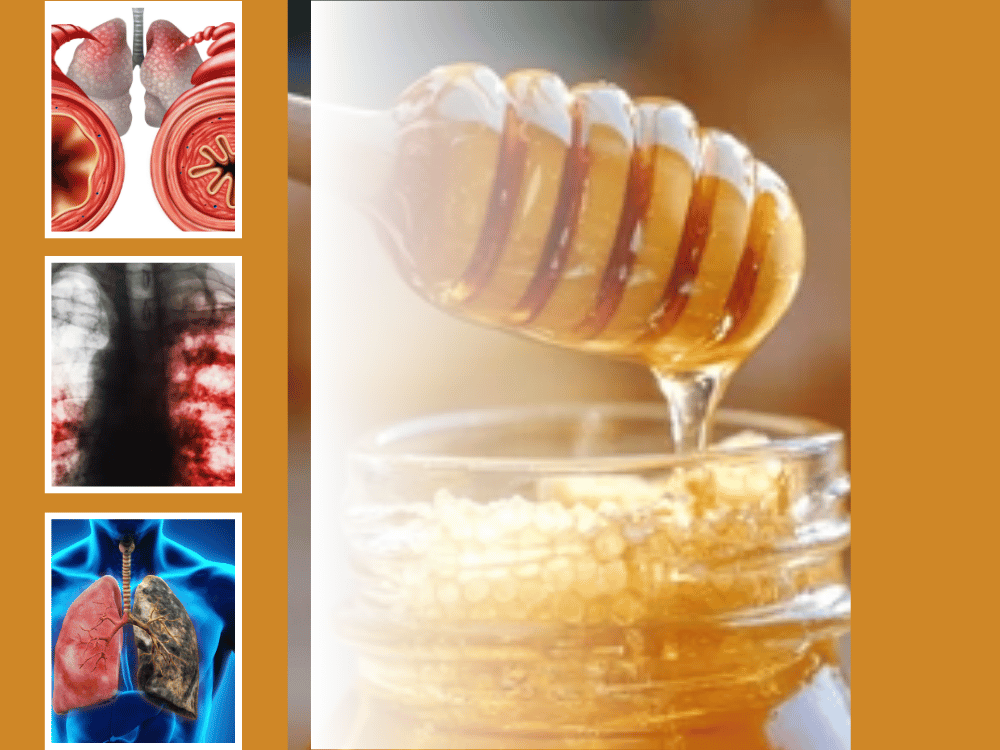
Introduction
Healthy lungs are essential for overall physical health. Their main function is to exchange gases: they add oxygen to the blood and remove carbon dioxide. Blood low in oxygen reaches the lungs through blood vessels, where oxygen passes into the bloodstream and carbon dioxide is exhaled.
If the lungs are affected by disease or inflammation, their ability to exchange oxygen efficiently decreases. This can result in reduced oxygen delivery to the body’s tissues and may contribute to symptoms such as shortness of breath, fatigue, and increased susceptibility to illness.
The lungs are located in the chest cavity and are covered by a thin membrane called the pleura. Another layer of the pleura lines the inside of the chest wall. Between these two layers is a small amount of lubricating fluid that allows the lungs to move smoothly during breathing. The lungs rest on the diaphragm, a dome-shaped muscle that separates the chest from the abdomen and plays a major role in breathing.
Air enters the body through the trachea (windpipe), which divides into two main bronchi—one leading to each lung. These branches continue to divide into smaller airways, ending in millions of tiny air sacs called alveoli. The alveoli are surrounded by tiny blood vessels (capillaries), where oxygen enters the blood and carbon dioxide leaves it.
An average adult at rest breathes about 12–20 times per minute. During inhalation, the diaphragm contracts and the lungs expand, allowing air to enter. During exhalation, the diaphragm relaxes, the lungs recoil, and carbon dioxide is expelled.
Lung diseases include asthma, bronchitis, pneumonia, tuberculosis, chronic obstructive pulmonary disease (COPD), pleurisy, and whooping cough. These conditions may be caused by infections, allergies, smoking, environmental pollutants, or other factors.
Honey and Respiratory Health
Honey has long been used in traditional medicine for respiratory complaints. Modern research suggests that:
- Honey can help soothe sore throats.
- It may reduce coughing, particularly in children over 1 year of age with upper respiratory infections.
- Its natural antimicrobial and anti-inflammatory properties may provide some symptomatic relief.
However, honey does not cure serious lung diseases such as pneumonia, tuberculosis, asthma, or COPD. These conditions require proper medical evaluation and treatment. Honey should be considered a supportive remedy rather than a replacement for prescribed medications.
Important: Honey should never be given to infants under 12 months of age because of the risk of infant botulism.
Overall, honey may help relieve certain respiratory symptoms, especially cough and throat irritation, but maintaining lung health also depends on avoiding smoking, reducing exposure to air pollution, staying physically active, receiving recommended vaccinations, and seeking appropriate medical care for persistent or severe respiratory symptoms.
Cough: Overview
A cough is a symptom rather than a disease. It can have many causes, including:
- Viral infections such as the common cold or influenza
- Sore throat or tonsillitis
- Inflammation or irritation of the airways (bronchitis)
- Asthma or airway spasm
- Pneumonia
- Allergies
- Acid reflux (GERD)
- Smoking and exposure to air pollution
- Less commonly, heart disease or certain medications
A productive (phlegmy) cough helps clear mucus from the airways. Older adults may produce more mucus during respiratory infections, and persistent coughing can interfere with sleep.
Honey for Cough
Research suggests that honey can help relieve coughs caused by upper respiratory infections by:
- Coating and soothing the throat.
- Reducing the frequency and severity of coughing.
- Providing mild antimicrobial and anti-inflammatory effects.
Honey may help with symptoms, but it does not treat the underlying cause of bacterial pneumonia, tuberculosis, asthma, or other serious lung diseases.
Important: Never give honey to children younger than 1 year because of the risk of infant botulism.
Traditional Honey-Herbal Recipe
The passage recommends mixing honey with several herbs and spices, including saffron, cinnamon, cloves, mustard, and other ingredients. However, several ingredient names (such as “yellow mold,” “fulvic acid,” and “aqir”) appear to be mistranslated or corrupted and cannot be identified with certainty.
Because of this, and because one ingredient appears to be Khorasani ajwain (Hyoscyamus niger, henbane), this recipe should not be used without expert supervision. Henbane contains toxic alkaloids that can cause:
- Dry mouth
- Blurred vision
- Confusion
- Hallucinations
- Rapid heartbeat
- Seizures and poisoning in severe cases
For that reason, this traditional preparation cannot be considered a safe home remedy.
Evidence-Based Home Remedies for a Mild Cough
For coughs caused by uncomplicated colds or viral infections, you can try:
- 1–2 teaspoons of honey (for adults and children over 1 year old), especially before bedtime.
- Warm water with honey and lemon.
- Staying well hydrated.
- Warm herbal teas or soups.
- Using a humidifier if the air is dry.
When to Seek Medical Care
A cough should be evaluated by a healthcare professional if it:
- Lasts more than 3 weeks.
- Is accompanied by high fever, chest pain, or difficulty breathing.
- Produces blood.
- Occurs with significant weight loss or night sweats.
- Occurs in someone with asthma, COPD, or a weakened immune system.
Honey for Cough
Honey has the strongest scientific evidence among the ingredients mentioned.
Research shows that honey can:
- Reduce the frequency and severity of coughs caused by upper respiratory infections.
- Soothe an irritated throat.
- Improve sleep in children older than 1 year and adults with a cough.
However, honey does not cure pneumonia, tuberculosis, asthma, or chronic lung disease.
Important: Never give honey to infants under 12 months of age because of the risk of infant botulism.
Phlegmy (Productive) Cough
A productive cough brings up mucus and commonly occurs with:
- Viral respiratory infections
- Bronchitis
- Pneumonia
- Chronic bronchitis
- Smoking-related lung disease
The traditional recipes combine honey with herbs such as saffron, cinnamon, cloves, ginger, and several herbs whose identities are uncertain due to translation errors.
Safety concerns
One ingredient, Ajwain Khorasani (Henbane), is especially concerning.
Henbane (Hyoscyamus niger) contains toxic alkaloids and may cause:
- Dry mouth
- Blurred vision
- Rapid heartbeat
- Confusion
- Hallucinations
- Seizures
It should not be used as a home remedy.
The claim that a paste can make an infant “fat and healthy within two days” is not supported by scientific evidence.
The recommendation to give honey indirectly to a breastfeeding mother to treat an infant’s cough has no evidence that it treats the baby’s cough.
Dry Cough
A dry cough may result from:
- Viral infections
- Allergies
- Asthma
- Acid reflux
- Environmental irritants
- Certain medications
A dry cough can cause throat irritation and chest discomfort. Honey may help reduce irritation and coughing.
The recipes include ingredients such as:
- White poppy seeds
- Gum arabic
- Starch
- Sweet almonds
- Pumpkin seeds
- Black cumin
Some of these ingredients are generally safe foods, but there is insufficient scientific evidence that these mixtures treat dry cough better than honey alone.
Cold-Related Cough
A cough associated with a cold is usually caused by a viral infection. Nasal congestion and throat irritation may trigger coughing.
Supportive treatments include:
- Honey (for people over one year old)
- Adequate fluids
- Rest
- Saline nasal spray or drops
- Warm beverages
The passage claims that taking a honey mixture for 2–3 months completely cures colds, but there is no scientific evidence for this. Common colds usually resolve on their own within 7–14 days.
When to See a Doctor
Seek medical care if a cough:
- Lasts longer than 3 weeks
- Is accompanied by high fever
- Causes difficulty breathing
- Produces blood
- Is associated with chest pain, weight loss, or night sweats
- Occurs in infants, older adults, or people with chronic lung disease
Honey for Cough
Honey has the strongest scientific evidence among the traditional ingredients mentioned for relieving cough symptoms.
Research suggests that honey can:
- Reduce the frequency and severity of coughs caused by upper respiratory infections.
- Soothe an irritated or sore throat.
- Improve sleep in children older than 1 year and in adults with acute cough.
However, honey does not cure pneumonia, tuberculosis, asthma, chronic obstructive pulmonary disease (COPD), or other chronic lung diseases. It should be considered a supportive remedy rather than a replacement for medical treatment.
Important: Never give honey to infants under 12 months of age because of the risk of infant botulism.
Phlegmy (Productive) Cough
A productive cough brings up mucus (phlegm) and commonly occurs with:
- Viral respiratory infections (such as the common cold)
- Acute or chronic bronchitis
- Pneumonia
- Smoking-related lung disease
- Chronic obstructive pulmonary disease (COPD)
Traditional remedies often combine honey with herbs such as saffron, cinnamon, cloves, ginger, and several other ingredients whose identities are uncertain due to translation or historical naming.
Safety Concerns
One ingredient, Ajwain Khorasani (Henbane, Hyoscyamus niger), deserves particular caution because it contains toxic alkaloids.
Possible effects include:
- Dry mouth
- Blurred vision
- Rapid heartbeat
- Confusion
- Hallucinations
- Seizures
For this reason, henbane should not be used as a home remedy without qualified medical supervision.
Similarly, there is no scientific evidence to support claims that:
- A herbal paste can make an infant “fat and healthy within two days.”
- A breastfeeding mother taking honey or herbal preparations will treat her infant’s cough through breast milk.
Dry Cough
A dry cough may result from:
- Viral infections
- Allergies
- Asthma
- Acid reflux (GERD)
- Environmental irritants
- Certain medications
Dry cough often causes throat irritation and chest discomfort. Honey may help soothe the throat and reduce coughing.
Traditional recipes may include:
- White poppy seeds
- Gum arabic
- Starch
- Sweet almonds
- Pumpkin seeds
- Black cumin
While several of these are common food ingredients, there is insufficient clinical evidence that these mixtures are more effective than honey alone for relieving dry cough.
Cold-Related Cough
A cough associated with the common cold is usually caused by a viral infection. Nasal congestion and throat irritation can trigger coughing.
Supportive treatment includes:
- Honey (for people over 1 year of age)
- Adequate fluid intake
- Rest
- Saline nasal spray or drops
- Warm beverages
The claim that taking a honey mixture for 2–3 months completely cures colds is not supported by scientific evidence. Most uncomplicated colds resolve naturally within 7–14 days.

When to Seek Medical Care
A healthcare professional should evaluate a cough if it:
- Lasts longer than 3 weeks.
- Is accompanied by a high fever.
- Causes difficulty breathing or shortness of breath.
- Produces blood.
- Is associated with chest pain, unexplained weight loss, or night sweats.
- Occurs in infants, older adults, or people with chronic lung disease or weakened immune systems.
What the Evidence Says About Honey and Asthma
Honey may:
- Soothe an irritated throat.
- Help relieve coughing associated with upper respiratory infections.
- Provide temporary relief from throat irritation.
However, there is no strong scientific evidence that honey:
- Opens narrowed airways during an asthma attack.
- Reduces airway inflammation sufficiently to control asthma.
- Replaces inhaled corticosteroids or bronchodilator inhalers.
Review of the Traditional Recipes
1. Honey, Barley, and Donkey Milk
The recipe combines honey, barley, and warm donkey milk.
- Donkey milk has nutritional value but has not been proven to treat asthma.
- Barley is a nutritious cereal but is not an established asthma treatment.
- Claims that this mixture reduces chest swelling or cures asthma are not supported by clinical studies.
2. Honey-Herbal Syrup
This preparation includes ingredients such as:
- Jujube
- Dates
- Figs
- Fenugreek
- Hyssop
- Raisins
- Sugar
- Honey
Some of these foods contain antioxidants and nutrients, but there is no reliable evidence that this syrup cures asthma or reverses airway inflammation.
3. Honey and Melon Seed Paste
Melon seeds are nutritious and honey may soothe cough, but there is no evidence that this combination relieves airway narrowing or treats asthma. It may provide temporary comfort for people whose asthma is accompanied by coughing.
4. Honey and Red Radish
Radish has been used traditionally as an expectorant, and honey may soothe cough. However, clinical studies have not shown that this mixture effectively treats asthma or improves lung function.
5. Star Anise and Honey
Star anise is used as a culinary spice and has been studied for some medicinal properties, but there is no convincing evidence that it removes mucus causing asthma or treats the disease itself.
6. Honey with Unidentified Herbs
The final recipe contains herbs whose names cannot be identified with certainty because of translation or historical terminology. Without clear identification and safety information, its effectiveness and safety cannot be assessed, so it should not be recommended.
Important Safety Points
- Asthma is caused by chronic inflammation and narrowing of the airways, not simply by mucus accumulation.
- Stopping prescribed asthma medication in favor of herbal remedies can be dangerous.
- Some herbal ingredients may cause allergic reactions or interact with medications.
- Honey should never be given to infants under 12 months of age because of the risk of infant botulism.
Evidence-Based Asthma Management
People with asthma should:
- Use prescribed controller medications (such as inhaled corticosteroids) if recommended.
- Carry a reliever inhaler (such as albuterol/salbutamol) for sudden symptoms, according to their clinician’s advice.
- Avoid known triggers such as tobacco smoke, allergens, and air pollution.
- Follow an asthma action plan developed with a healthcare professional.
- Seek urgent medical care if they experience severe shortness of breath, difficulty speaking, bluish lips or fingertips, or if a reliever inhaler is not helping.
Asthma
Traditional Honey-Herbal Recipes
The recipes combine honey with herbs such as:
- Anise
- Cinnamon
- Fenugreek
- Star anise
- Various herbs that cannot be confidently identified because of translation or historical terminology
The text claims these mixtures:
- Remove mucus from the chest.
- Relieve phlegmy asthma.
- Cure chronic asthma.
Scientific Evidence
There is no reliable clinical evidence that these herbal mixtures:
- Cure asthma.
- Reverse airway inflammation.
- Prevent asthma attacks.
- Replace prescribed asthma medications.
Honey may help soothe cough or throat irritation, but it does not treat the underlying inflammation and airway narrowing that characterize asthma.
Modern asthma treatment typically includes:
- Inhaled corticosteroids to reduce airway inflammation.
- Bronchodilator (reliever) inhalers for acute symptoms.
- Avoiding triggers such as tobacco smoke, allergens, and air pollution.
- Regular follow-up with a healthcare professional.
Tuberculosis (TB)
Tuberculosis is a serious infectious disease caused by the bacterium Mycobacterium tuberculosis. It most commonly affects the lungs but can involve other organs.
Common symptoms include:
- Persistent cough lasting more than 2–3 weeks.
- Coughing up sputum, sometimes with blood.
- Fever.
- Night sweats.
- Weight loss.
- Fatigue.
- Loss of appetite.
The disease spreads through the air when a person with active pulmonary TB coughs, sneezes, or speaks.
Accurate Points in the Passage
Some recommendations are still considered beneficial as supportive care:
- Eating a nutritious diet.
- Getting adequate rest.
- Living in a clean, well-ventilated environment.
- Maintaining good general health.
However, these measures support recovery; they do not cure tuberculosis.
Honey and Tuberculosis
Honey may:
- Soothe a sore throat.
- Help reduce coughing.
- Provide calories and antioxidants.
However, there is no scientific evidence that honey kills the bacteria that cause tuberculosis or heals lung cavities.
Claims that honey:
- Dissolves lung lesions,
- Cleans infected wounds,
- Cures tuberculosis at any stage,
are not supported by modern medical research.
Traditional TB Recipes
The passage recommends mixtures containing herbs, honey, and substances such as:
- Licorice
- Gum arabic
- Rose
- Jujube
- Raisins
- Figs
- Poppy seeds
- Burnt coral
- Burnt antler
- Burnt gold
- Bamboo preparations
Several ingredients are difficult to identify accurately, and some (such as preparations containing burnt minerals or metals) have no proven benefit and may pose safety risks, including contamination with heavy metals or other harmful substances.
These preparations should not be considered effective treatments for tuberculosis.
Evidence-Based Treatment for Tuberculosis
Tuberculosis is curable, but it requires a combination of specific antibiotics taken for several months under medical supervision. Stopping treatment early or relying only on traditional remedies can allow the infection to persist, worsen, or become resistant to medications.
Supportive measures include:
- A balanced, nutritious diet.
- Adequate hydration.
- Sufficient rest.
- Avoiding smoking and alcohol.
- Completing the full prescribed course of anti-tuberculosis medication.
- Regular follow-up with healthcare providers.
Bamboo Juice (Traditional Preparation)
The passage describes preparing a concentrated extract from fresh or dried bamboo leaves (sometimes called a syrup or extract).
There is no reliable clinical evidence that bamboo leaf extract:
- Treats tuberculosis.
- Cures pneumonia.
- Clears lung infections.
- Heals damaged lung tissue.
Although bamboo contains plant compounds with antioxidant activity, its use for serious lung diseases has not been established in clinical trials.
Honey-Based Remedy for Tuberculosis
The recipe combines honey with ingredients such as:
- Tabashir (bamboo silica)
- Cinnamon
- Cardamom
- Bay leaf
These ingredients may provide flavor or antioxidant compounds, but there is no evidence that they cure tuberculosis.
Tuberculosis is caused by the bacterium Mycobacterium tuberculosis and requires a combination of specific antibiotics taken for several months.
Honey may help soothe cough and provide calories, but it cannot eliminate the bacteria responsible for tuberculosis.
Pleurisy and Pneumonia
The passage refers to two conditions:
- Pleurisy: inflammation of the pleura, the membrane surrounding the lungs.
- Pneumonia: infection and inflammation of the lung tissue itself.
These are different conditions.
Common causes
Pleurisy may result from:
- Viral infections
- Bacterial infections
- Autoimmune diseases
- Pulmonary embolism
- Other lung disorders
Pneumonia may be caused by:
- Bacteria
- Viruses
- Fungi (less commonly)
Cold weather itself does not directly cause pleurisy or pneumonia, although respiratory infections are often more common during colder seasons.
Traditional Bamboo-Honey Remedy
The passage claims that a mixture of bamboo shoot juice, sugar, and honey:
- Removes mucus.
- Cleanses the lungs.
- Treats pleurisy.
- Softens the airways.
These claims have not been confirmed by clinical research.
Honey may help relieve cough symptoms, but it does not treat bacterial pneumonia or pleural inflammation.
Traditional Pneumonia Recipe
The recipe includes various plant juices, barley, honey, and other ingredients.
There is no scientific evidence that this preparation cures pneumonia.
Modern treatment depends on the cause:
- Bacterial pneumonia usually requires antibiotics.
- Viral pneumonia is treated with supportive care and, in some cases, antiviral medications.
- Severe pneumonia may require oxygen therapy or hospitalization.
When Immediate Medical Care Is Needed
Anyone with possible pneumonia or serious lung disease should seek prompt medical evaluation if they have:
- Difficulty breathing.
- Chest pain.
- High fever.
- Persistent cough with thick, yellow, green, or bloody sputum.
- Confusion, especially in older adults.
- Bluish lips or fingertips.
- Symptoms that rapidly worsen.