



Introduction
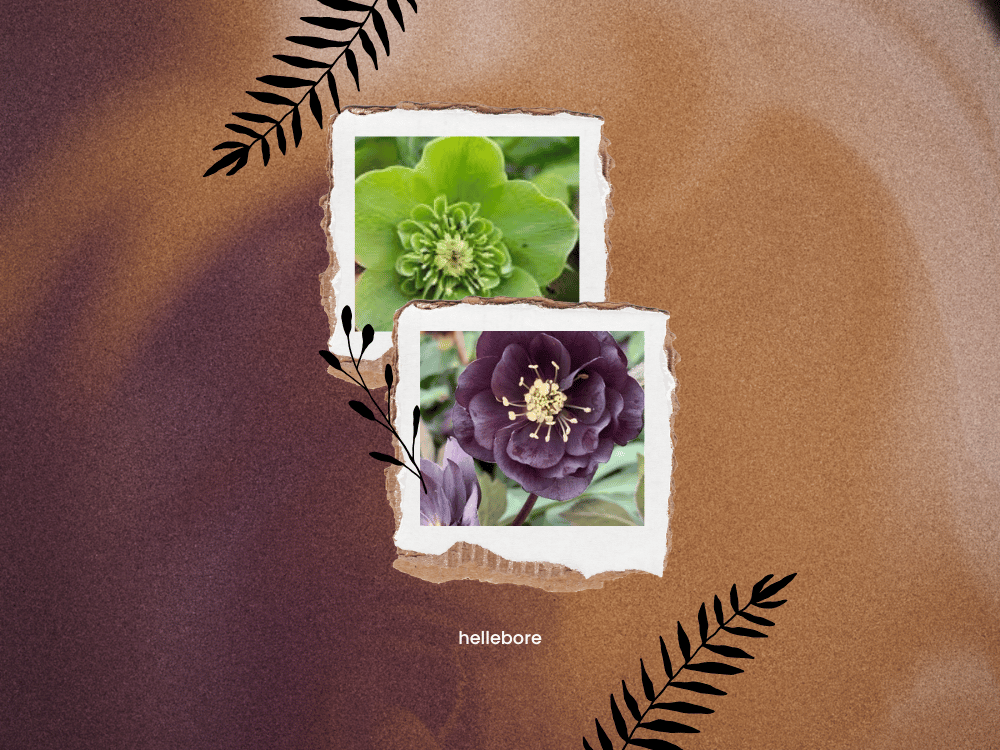
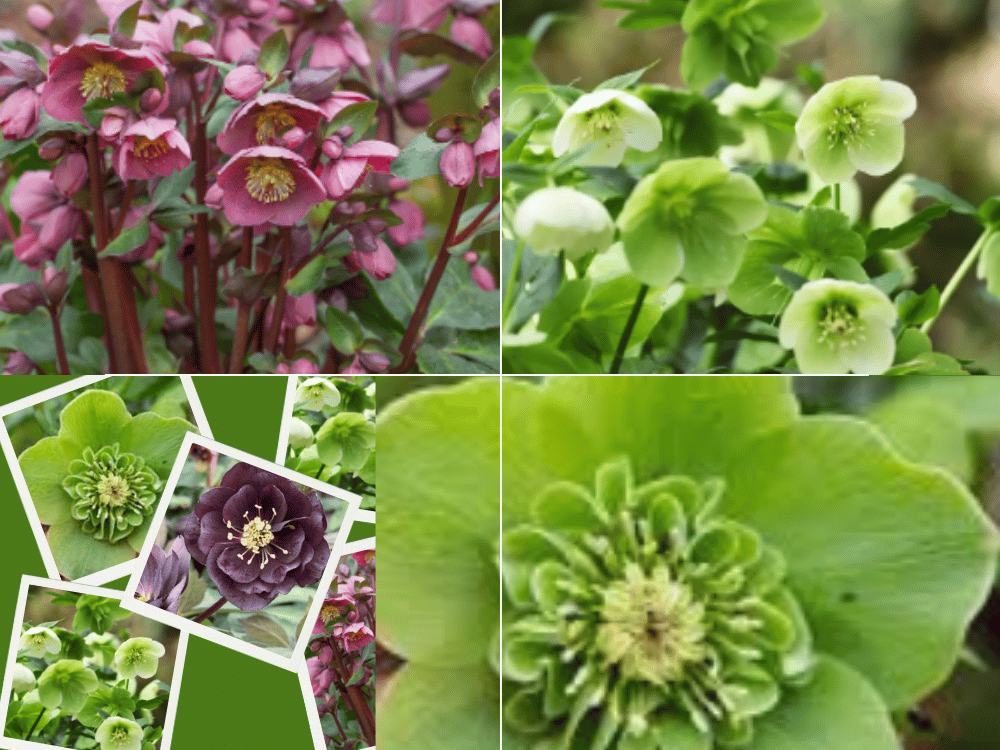
Hellebore, commonly known in Unani medicine as Kharbaq Siyah, is a highly potent medicinal plant. It is generally considered a powerful purgative and toxic herb, and must be used with extreme caution.
The plant grows about 1 to 2 feet in height.
Morphological Characteristics
Leaves
- Yellowish near the stem region
- Broad in the middle
- Narrow and pointed at the ends
- Arranged in a comb-like pattern along the stem
Flowers
- Hard and upright-growing
- Spike-like inflorescence
- Length: 1.5 to 4 inches
- Contains many small whitish flowers
Fruit
- Similar in appearance to jackfruit structure
- Contains very small seeds inside
Root
- Thick (finger-sized)
- Knotted structure
- Length: Up to 10 inches
- Color: White to brown in dried form
- Taste: Bitter
- Contains fibrous strands
Habitat (Place of Origin)
Found in mountainous regions at high altitudes:
- Kashmir to Nepal
- Sikkim
- Kangra region
- Altitude: 7000 to 14,000 feet
Harvesting period:
- Grows in April–May
- Matures by June–July
- Collected mainly in rainy season
Chemical Composition
The root contains:
- Picrorhizin (10–15%)
- Bitter glycosides
- Cathartic acid
- Glucose
- Wax substances
Temperament
- Hot in 3rd degree
- Dry in 3rd degree
Pharmacological Actions
- Powerful purgative (mus-hil)
- Anthelmintic (kills intestinal worms)
- Stomach cleanser
- Carminative (removes gas)
- Emetic (induces vomiting in small doses)
- Fever-reducing (in controlled doses)
Medicinal Uses
1. Digestive System
- Acts as a strong stomach cleanser
- Used in:
- Indigestion
- Bloating
- Hiccups
- Improves stomach strength when used carefully in combination with other herbs
2. Intestinal Worms
- Strong anthelmintic action
- Expels intestinal worms through stool
3. Fever
- Decoction (approx. 1 gram, 3 times daily in traditional use)
- Helps in:
- Reducing fever
- Cleansing body toxins
4. Purgative Action
- Used to clear accumulated waste from intestines
- Induces strong bowel evacuation
Special Benefit
- Powerful stomach cleanser and purgative herb
Dosage
- Very small and controlled doses only
- Traditionally: 5–7 Grams (extreme caution required)
- Decoction used carefully under supervision
Overdose can be toxic and harmful due to strong purgative nature.