



Introduction
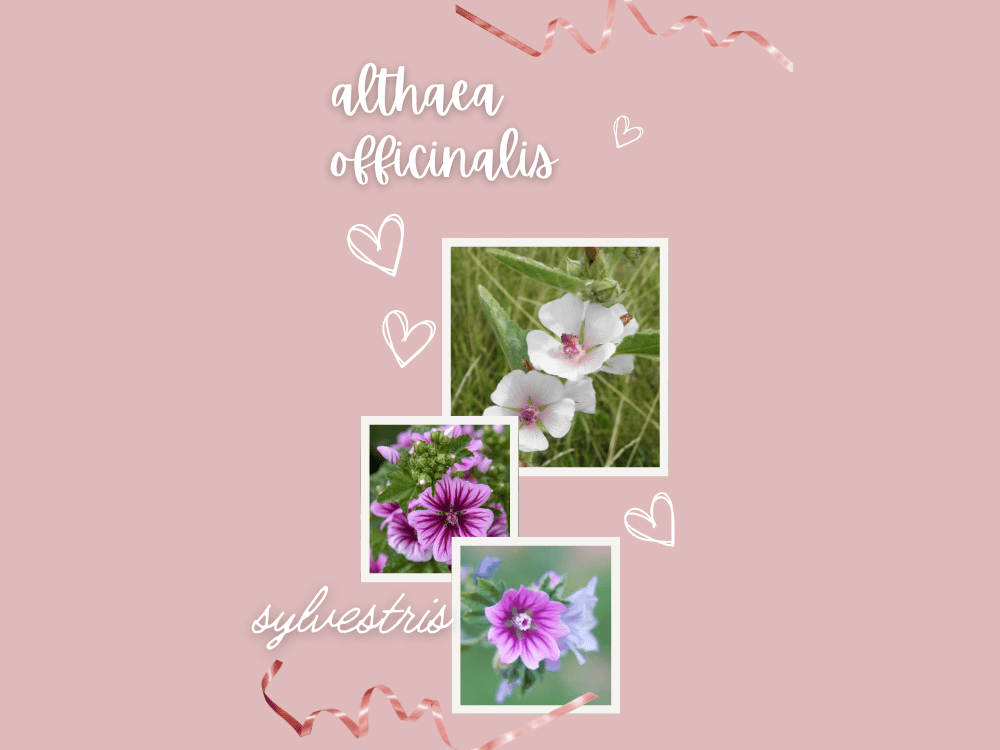
Althaea officinalis is a perennial herb that grows up to five to six feet in height. The plant has a soft, somewhat flowing texture and produces a yellowish-red sap during the summer season. It closely resembles the okra plant in overall appearance.
Morphological Characteristics
Leaves
The leaves are oval-shaped, slightly toothed, and resemble those of the okra plant. They are soft and covered with fine hairs.
Flowers
The flowers are large, round, and wide, similar in shape to okra flowers. They occur in various colors, including:
- White
- Pink
- Red
- Yellow
- Blue (rare varieties)
The flowers are generally odorless. Among all varieties, the white-flowered type is considered the most medicinally effective. These flowers are commonly known as Gul-e-Khair.
Fruits and Seeds
The fruit is round and capsule-like, containing flat, round, black seeds.
Root
The root is three to seven inches long, thick, and wrinkled. It produces many smaller rootlets. The root is rich in mucilage (slimy substance), which is responsible for its medicinal value.
Geographical Distribution
This plant is found in:
- Kashmir
- Iran
- Uttar Pradesh
- Punjab
- Delhi
- Pakistan
It is also cultivated in gardens in Rajasthan for ornamental purposes.
Chemical Composition
- Approximately 25% mucilage (especially in roots)
- Natural sugars
- Althein (1–2%) – a compound with pain-relieving properties
Different parts used:
- Leaves
- Seeds
- Roots
- Gum
Temperament
- General plant: Moderate (slightly cool and moist)
- Seeds: Moderate, tending towards cold and moist
Actions (Pharmacological Effects)
- Demulcent (soothing and coating)
- Anti-inflammatory
- Expectorant (helps expel mucus)
- Mild analgesic (pain reliever)
- Emollient (softens tissues)
- Regulator of urinary and menstrual functions
Medicinal Uses
1. Swellings and Inflammation
Due to its soothing and softening properties:
- Reduces swelling
- Prevents further inflammation
- Used as poultice on inflamed areas
2. Respiratory Disorders
- Useful in cough and chest congestion
- Helps expel mucus
- Beneficial in pneumonia and pleurisy (used internally and externally)
3. Pain Relief
- Applied as a poultice for headaches caused by heat
- Relieves joint pain and stiffness
4. Digestive and Rectal Conditions
- Beneficial in hemorrhoids and anal swelling
- Sitz bath with its decoction reduces inflammation
5. Urinary and Reproductive Health
- Promotes urination
- Helps regulate menstruation
- Decoction may support postpartum cleansing and blood purification
- Traditionally used in cases of infertility
6. Joint and Muscular Conditions
- Decoction used for bathing in joint stiffness
- Reduces pain and inflammation
Special Benefit
Highly effective for cough and throat irritation due to its mucilaginous and soothing nature.
Dosage
- General dose:(approx. 9 grams)
- Seeds: 5–7 grams or as prescribed
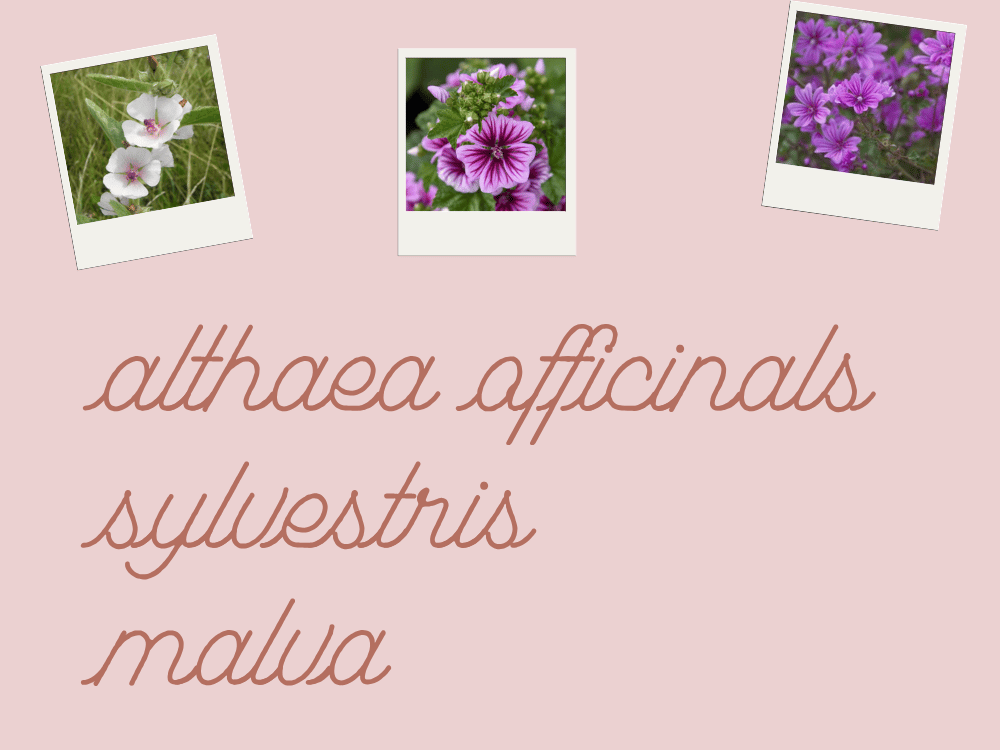
Althaea sylvestris (Wild Khatmi / Wild Marshmallow)
Introduction
Althaea sylvestris (commonly known as wild marshmallow or wild khatmi) is a medicinal herb closely related to Althaea officinalis. It is valued in traditional medicine for its soothing, cooling, and anti-inflammatory properties, especially in gastrointestinal and inflammatory conditions.
Temperament
Cold in the first degree
Actions (Pharmacological Effects)
- Astringent
- Sedative (calming effect)
- Demulcent (soothing and coating)
- Anti-inflammatory
Medicinal Uses
1. Gastrointestinal Disorders
- Its infusion or fresh juice is beneficial for:
- Inflammation of the stomach
- Gastric ulcers
- Irritation of the digestive tract
2. Diarrhea
- Particularly effective in bilious diarrhea
- Its astringent and soothing properties help control excessive bowel movements
3. Swellings and Inflammation
- When applied as a poultice, it:
- Softens and reduces swellings
- Helps resolve inflammatory conditions
Dosage
- 5 to 7 drops (juice or extract), or as prescribed
Compound Formulations (Traditional Uses)
Althaea sylvestris is included in various Unani compound preparations, such as:
- Ijaz Syrup
- Sadr Syrup
- Hyssop Syrup
- Friar’s Syrup
- Hemorrhoid Poultice
Other Preparations
- Qiruti Aro
- Qiruti Aro with Barley
- Qiruti Baboona
- Lauk Spastan
- Qiruti Makuwali
- Lauk Ab Leshakarwala
- Lauk Khashkhash
- Lauk Nazu
Malva sylvestris
Introduction
Malva sylvestris is a soft, herbaceous plant that grows about half a yard in height. It is slightly creeping in nature and spreads along the ground, especially in moist environments.
Morphological Characteristics
Leaves
- Round and green
- Slightly lobed or cracked in appearance
- Edges are toothed (serrated)
- Soft and delicate in texture
Flowers
- Small and attractive
- Petal-like structure
- Colors:
- Lilac (lily-colored)
- Yellowish tones
Fruits
- Nearly round and flattened in the center
- Whitish to almond-like in color
- Small in size
- Commonly known as Khabazi (medicinal fruit/seed part)
Habitat (Place of Origin)
It grows in moist and water-rich areas such as:
- Iran
- Punjab
- Delhi
- Uttar Pradesh
- Kashmir (foothills and mountainous regions)
Chemical Composition
- Mucilage (salivary substance)
- Small amount of aromatic compounds
- Mild active oils
Temperament
- Moderate
- Slight inclination towards cold and moist nature
Pharmacological Actions
- Mukhallis-e-Balgham (expectorant)
- Mulayyin (mild laxative)
- Mudir-e-Baul (diuretic)
- Musakkin (sedative / soothing)
- Mulattif (softening agent)
- Anti-inflammatory
Medicinal Uses
1. Respiratory Disorders
- Useful in:
- Cough
- Cold and flu
- Shortness of breath
- Chest tightness
- Helps:
- Loosen and expel phlegm
- Relieve chest congestion
2. Digestive System
- Acts as a mild laxative
- Helps in:
- Constipation
- Opening liver and digestive channels
3. Urinary & Reproductive Disorders
- Decoction useful for:
- Uterine swelling
- Anal swelling
- Acts as a soothing and cleansing agent
4. Skin & External Use
- Hot poultice applied to:
- Boils
- Swellings
- Helps:
- Dissolve swelling
- Promote rupture and discharge of pus
5. Fever & Toxic Conditions
- Decoction helps:
- Relieve heat and dryness
- Induce vomiting in certain toxic conditions
- Support elimination of toxins
Special Benefits
- Powerful phlegm dissolver
- Relieves chest pain and congestion
Dosage
- 5–7 grams (or as prescribed)
Compound Formulations
Used in traditional preparations such as:
- Cooling syrups
- Chest-soothing mixtures
- Digestive and cold-relief formulations
- Anti-inflammatory herbal drinks