



Introduction
Cinnamomum tamala is an aromatic evergreen tree belonging to the cinnamon family. It is commonly known for its fragrant leaves, which are widely used as a spice in traditional cooking and herbal medicine. Although it is related to true cinnamon, it is considered milder in fragrance and medicinal strength.
This tree is widely distributed in the Himalayan regions and other parts of the Indian subcontinent, where it has long been valued in traditional medicine systems such as Ayurveda and Unani medicine.
Botanical Description
Cinnamomum tamala is a tall evergreen tree that may grow up to approximately thirty-five feet in height. It has a straight trunk that can reach four to five feet in diameter.
The tree remains green throughout the year and is known for its aromatic bark, leaves, and overall fragrance.
Bark
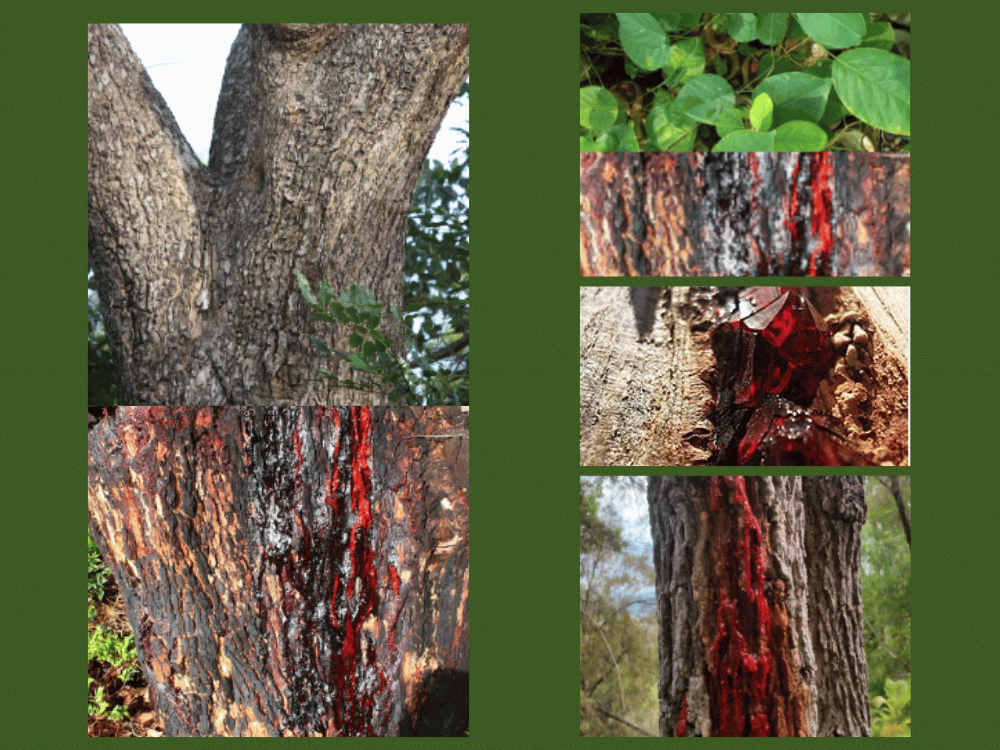
The bark of Cinnamomum tamala is:
- Dull and scaly in texture
- Brownish or yellowish-brown in color
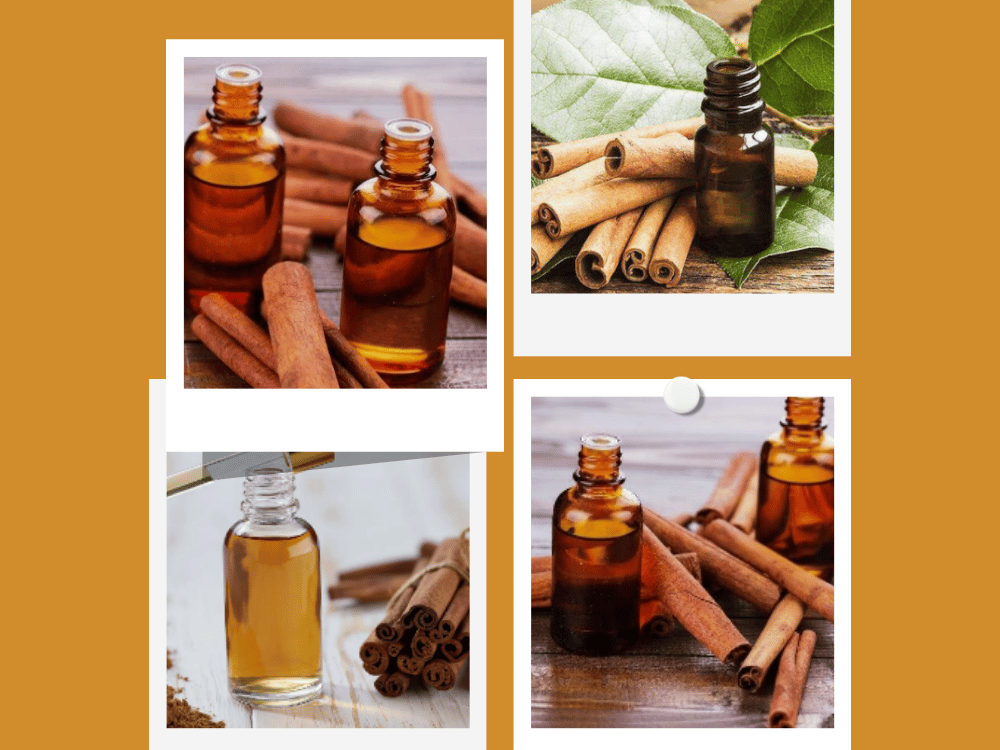
- Similar in appearance to cinnamon bark, but less fragrant
- Thicker than true cinnamon bark
Because of its similarity to cinnamon, it is sometimes mixed with other cinnamon varieties in traditional trade
Leaves
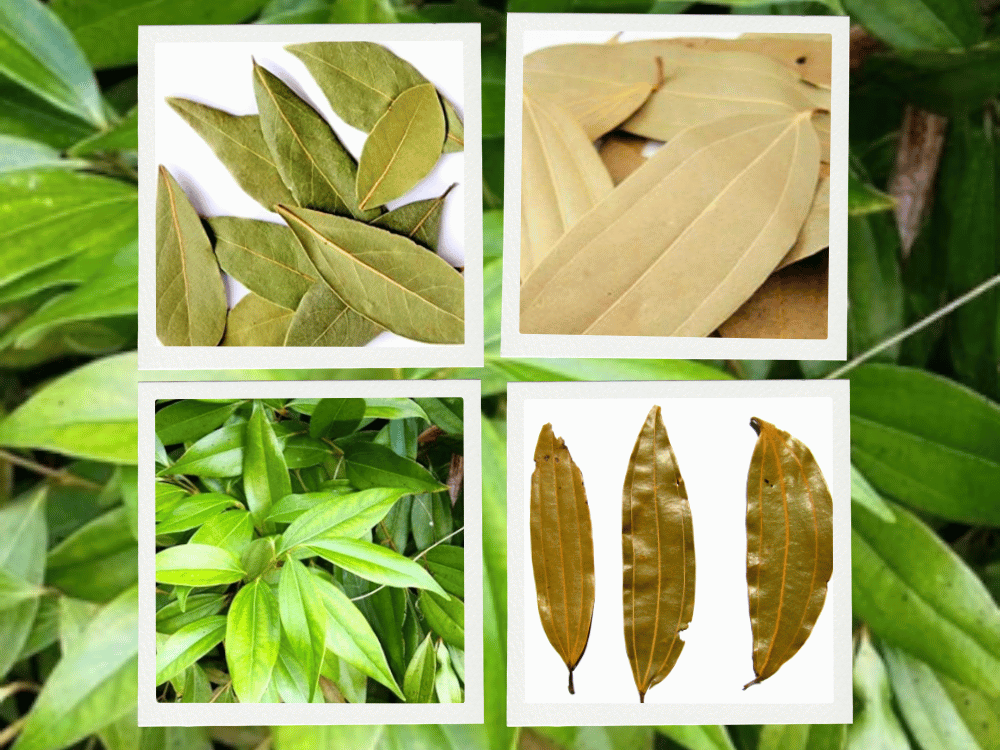
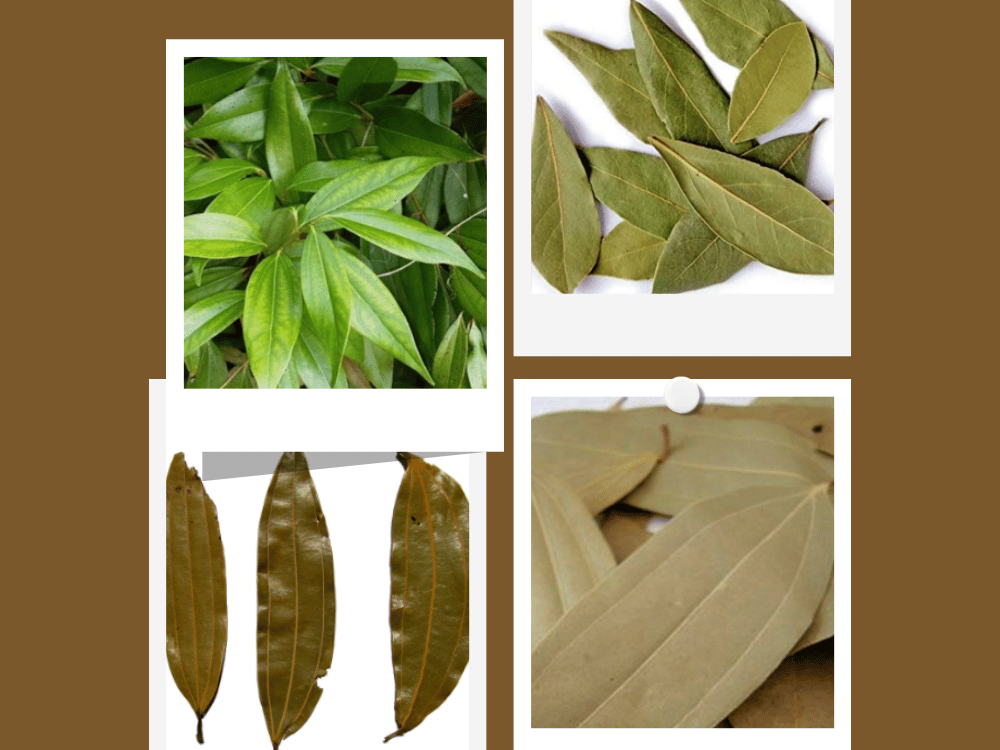
The leaves are the most important and widely used part of the tree. They are:
- Large and elongated (several inches long)
- Two and a half to three inches wide
- Shiny and spear-shaped
- Greenish-white in color when young
- Fragrant, especially when crushed
The leaves contain three to four prominent longitudinal veins and become rougher and lighter in color as they mature. When dried, they develop a clove-like aroma.
Flowers
During the spring season (Chet–Baisakh), the tree produces:
- Small white flowers
- Abundant clustered blossoms on branches
- Mild fragrance
These flowers contribute to the aromatic nature of the plant.
Fruits
The fruits of Cinnamomum tamala are:
- Round in shape
- About half an inch long
- Green when young and black when ripe
In some regions of the Deccan, the dried seeds are traditionally known as Kala Naag Kesar.
Geographic Distribution
This tree is commonly found in:
- Himalayas
- Kashmir
- Kangra region
- Shimla hills
- Bengal
- Khasi hills
- Brahmaputra hill regions
It thrives in hilly and forested areas with a moderate climate.
Chemical Constituents
The leaves of Cinnamomum tamala contain an aromatic volatile oil that includes:
- Eugenol
- Terpenes
- Aldehydes
The presence of eugenol gives the leaves a clove-like aroma and contributes to their medicinal properties.
Temperament in Unani Medicine
According to Unani medicine, this plant has the following temperament:
- Hot and dry in the second degree
Because of this warming nature, it is used in conditions related to cold, mucus, and digestive weakness.
Medicinal Properties
Traditional physicians described Cinnamomum tamala as having the following actions:
- Expectorant (removes phlegm)
- Body tonic
- Menstrual stimulant
- Astringent
- Carminative (relieves gas)
These properties make it useful in respiratory and digestive disorders.
Traditional Uses
Respiratory Disorders
The leaves are widely used in:
- Cough
- Cold
- Excess phlegm
They are often administered alone or with honey and other herbal medicines to relieve congestion and improve breathing.
Digestive and Liver Support
Cinnamomum tamala is considered beneficial for:
- Weak digestion
- Liver weakness
- Poor appetite
- Gas and bloating
It helps stimulate digestive function and improves metabolic activity.
Blood and General Strength
Traditional medicine considers it a mild blood enhancer and body strengthener. It is believed to:
- Strengthen the stomach
- Support liver function
- Improve blood formation
Menstrual and Uterine Health
Because of its warming and stimulating properties, it is used in:
- Delayed menstruation
- Menstrual disorders
- Uterine weakness
It is often included in traditional herbal formulations for women’s health
Constipation and Laxative Use
In some preparations, it is used as a mild laxative. Decoctions of the plant are given with other herbs to relieve constipation and improve bowel movement.
Alternative Names and Substitutes
In traditional practice, it may be substituted or used alongside:
- Cinnamon
- Tejpat (bay leaf varieties)
Dosage
Traditional dosage recommendations include:
- Two to three times a day, depending on the preparation and condition