



Cinnamon Oil: Composition, Properties, and Uses
Introduction
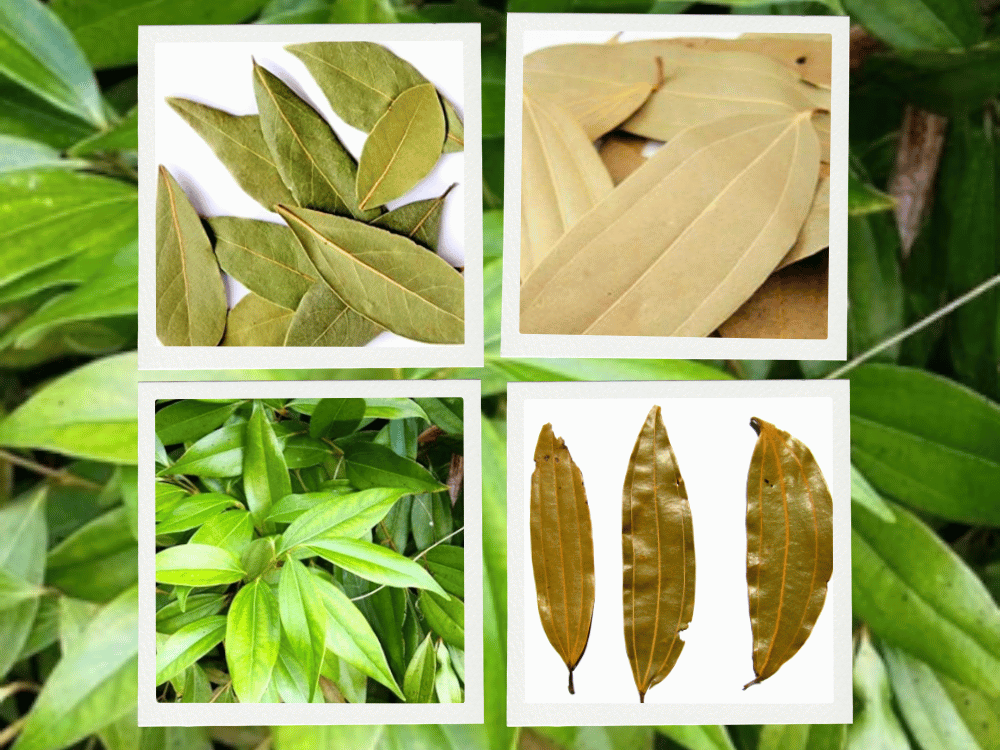
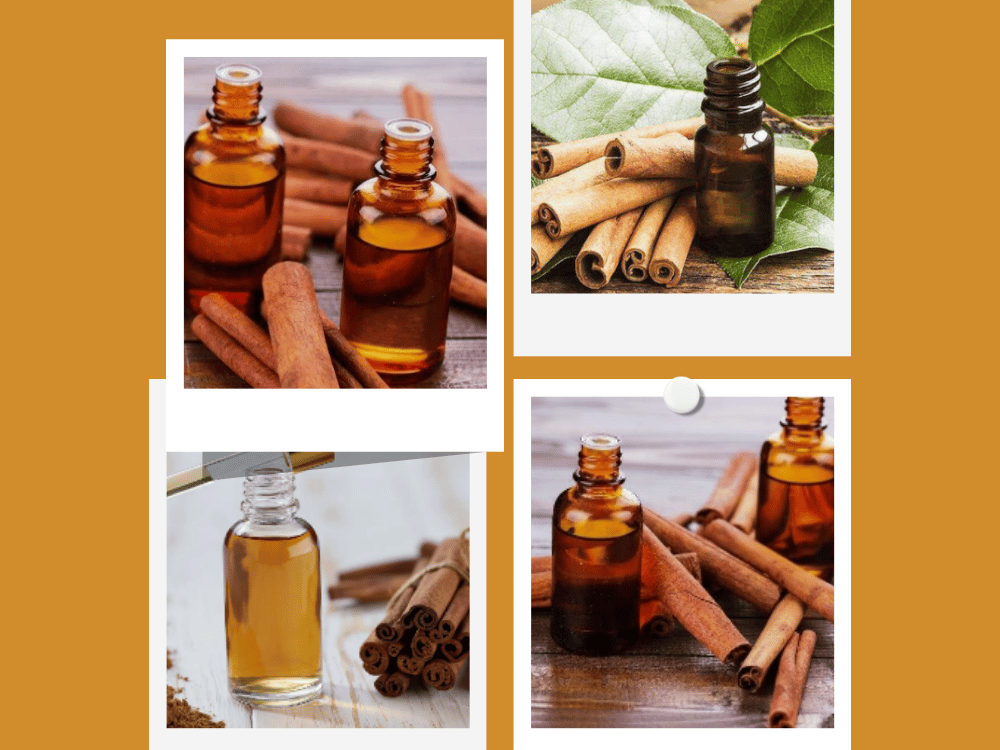
Cinnamon Oil, traditionally known as Oleum Cinnamomi, is a fragrant essential oil obtained mainly from the bark of Cinnamomum zeylanicum through the process of steam distillation. In some cases, the oil may also be extracted from the leaves and roots of the plant.
For centuries, cinnamon oil has been widely used in traditional medicine, perfumery, and aromatic preparations because of its warming, stimulating, and soothing properties. It is valued for its pleasant fragrance as well as its medicinal importance in respiratory, digestive, and nervous system disorders.
Source and Preparation
Cinnamon oil is mainly extracted from:
- The inner bark of the cinnamon tree
- Leaves of the plant
- Occasionally the roots
The oil is obtained through steam distillation, a process that separates the aromatic volatile compounds from the plant material.
Freshly prepared cinnamon oil appears yellow in color, but with age it gradually develops a reddish tint.
Physical Characteristics
Color
- Fresh oil: Yellow
- Older oil: Slightly reddish
Odor
- Strongly aromatic and pleasant
Taste
- Sweet and warm in flavor
Solubility
- Heavier than water and sinks in it
- Dissolves easily in alcohol
These properties make cinnamon oil suitable for medicinal, aromatic, and pharmaceutical preparations.
Chemical Composition
Cinnamon oil contains several important active compounds, including:
- Cinnamic Aldehyde (Cinnamaldehyde) – approximately 60%
- Cinnamic acid
- Eugenol – approximately 11%
- Small quantities of methyl compounds and aromatic terpenes
Cinnamaldehyde is the principal constituent responsible for the characteristic aroma and most of the medicinal properties of cinnamon oil.
Temperament in Unani Medicine
According to Unani medicine, cinnamon oil possesses the following temperament:
- Hot and dry in the second degree
Because of its warming and stimulating nature, it was traditionally used in cold and phlegmatic disorders.
Medicinal Properties
Traditional physicians described cinnamon oil as having numerous therapeutic actions, including:
- Deodorant
- Absorbent
- Stimulant
- Pain reliever
- Astringent
- Heart stimulant
- Brain tonic
- Respiratory stimulant
- Expectorant
- Stomach tonic
- Liver tonic
- Intestinal astringent
- Nervous system stimulant
These properties made it a valuable ingredient in many classical medicinal preparations.

Traditional Uses of Cinnamon Oil
Respiratory Disorders
Cinnamon oil has long been used for respiratory complaints because of its warming and mucus-expelling properties. It was traditionally prescribed for:
- Cough
- Asthma
- Chest congestion
- Excessive mucus accumulation
Traditional physicians believed it helped cleanse the lungs and respiratory passages by loosening and removing thick phlegm.
Nervous System Disorders
Because of its stimulating and aromatic nature, cinnamon oil was considered especially beneficial for disorders of the nervous system, including:
- Forgetfulness
- Weak memory
- Tremors
- Epilepsy
- Nervous weakness
It was also traditionally believed to strengthen mental activity and improve alertness.
Dental and Oral Care
Cinnamon oil was commonly added to herbal tooth powders and pastes because of its pleasant fragrance and soothing properties.
It was traditionally used to:
- Freshen the breath
- Strengthen gums
- Whiten teeth
- Relieve toothache
Its aromatic nature made it a popular ingredient in oral preparations.
Digestive and Stomach Disorders
Cinnamon oil has been traditionally valued as a digestive stimulant and stomach tonic. It was used in conditions such as:
- Loss of appetite
- Flatulence
- Diarrhea
- Dysentery
- Abdominal pain
- Weak digestion
Because of its astringent action, it was believed to strengthen the intestines and reduce excessive bowel movements.
Use in Headache and External Application
Due to its soothing and absorbent qualities, cinnamon oil was sometimes mixed with water and applied externally to the forehead for relief from headaches.
It was also included in massage oils and strengthening preparations.
Skin and Antifungal Uses
Traditional physicians considered cinnamon oil useful for:
- Pimples
- Skin blemishes
- Fungal infections
Its strong aromatic and antimicrobial properties contributed to its traditional use in skin applications.
Use During Epidemics
Because of its believed antifungal and antimicrobial properties, cinnamon oil was widely used during outbreaks of infectious diseases such as:
- Influenza
- Typhoid fever
- Cholera epidemics
It was traditionally thought to help strengthen the body and resist infection.
Special Benefits
Traditional medicine particularly regarded cinnamon oil as:
- An antifungal agent
- A powerful stimulant
- A memory-enhancing tonic
Traditional Dosage
The traditional recommended dosage was:
- One to two grams
Because cinnamon oil is highly concentrated, excessive use may cause irritation and should be taken carefully.