




Introduction
Asafoetida, also known as hing or anguza, is a traditional medicinal plant and spice valued for its digestive, carminative, and therapeutic properties. It has been used for centuries in Ayurveda, Unani medicine, and folk remedies for a wide range of health issues.
Plant Description
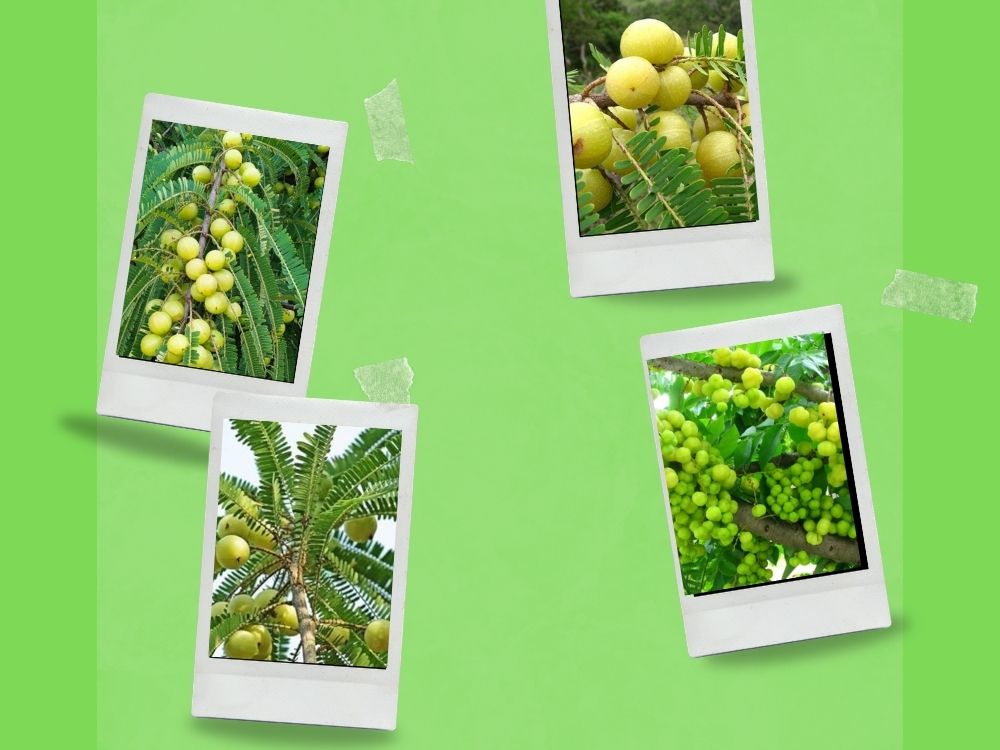
- Height: 5 to 6 feet
- Leaves: Soft, hairy, and feathery
- Stem: Produces a latex-like juice called “Hang,” which is thick, glue-like, and dark yellow when dried
Seeds and Fruits
- Size: About 1/3 inch long and 1/4 inch wide
- Called Anjdan
- Flowering occurs in March and April
- The plant is dioecious (separate male and female plants)

Origin and Distribution
Asafoetida originates from the following:
- Iran, Turkestan, Afghanistan
- Punjab, Kashmir, and Peshawar regions
Two main types:
- White type (female): Fruit and resin are useful; produces better-quality Hang
- Black type: Fruit is black, foul-smelling, rarely used; known as Hangra
Chemical Composition
Asafoetida contains several active compounds:
- Volatile oil: 6–71%
- Gum: 25%
- Salt: 25%
- Carnitine and allylsulfide: 4%
- Organic acids: Formic, Acetic, Malic, ferulic, and Valerianic
- Resin-tannols: Red-colored compounds contributing to its pungency and medicinal effects
Temperament (Traditional Medicine)
- Hot: Second degree (Anguza plant may be fourth degree)
- Dry: Second degree
- Considered stimulating and strengthening for digestion and metabolism
Medicinal Actions
Asafoetida has diverse therapeutic properties:
- Carminative: Expels gas and relieves bloating
- Stomach tonic: Strengthens digestion and appetite
- Solvent: Helps dissolve phlegm and mucus
- Heartburn stimulant: Reduces acidity
- Menstrual stimulant: Supports menstrual flow
- Fire stimulant: Helps restore metabolic activity
Additional Actions of Anguza
- Anti-inflammatory
- Antibacterial
- Phlegm remover
- Useful in asthma, cough, flatulence, and uterine prolapse
Uses and Health Benefits
Digestive Health
- Relieves flatulence, bloating, and stomach discomfort
- Strengthens digestion in cases of weak stomach or metabolic sluggishness
Nervous System
- Used in conditions like paralysis, relaxation, forgetfulness, and nervous weakness
Urinary and Reproductive Health
- Helps in urinary incontinence caused by phlegm
- Stimulates menstrual flow and strengthens uterine function
Respiratory Health
- Phlegm-eliminating properties make it effective in cough, asthma, and bronchial conditions
Topical Uses
- Asafoetida seeds and resin are applied as ointments for gonorrhea and inflammatory skin conditions
Special Benefits
- Acts as a heartburn reliever
- Supports digestive and reproductive health
- Strengthens circulation and metabolism
Preparations and Compounds
- Hang (resin/latex) – raw or dried
- Powdered Asafoetida – common in culinary and medicinal use
- Included in traditional medicines and formulations, such as Habitrol, hot spice blends, and digestive tonics
Dosage
- 2 to 3 grams for general use
- Used as paste, decoction, or ointment depending on the condition