



Introduction
Mulberry, commonly known as toot or shahtoot, is a medium-sized tree valued for its nutritious fruit and medicinal properties. It is widely used in traditional medicine, particularly for throat and digestive health.
Botanical Description
The mulberry tree is of moderate height with long, flexible branches, similar in appearance to those of a willow tree.
Leaves
The leaves are:
- Large and rough in texture
- Similar to fig leaves in shape
- Toothed along the edges
These leaves are also important, as they are used to feed silkworms in silk production.
Flowers
The flowers are small and inconspicuous. They later develop into the fruit.
Fruit
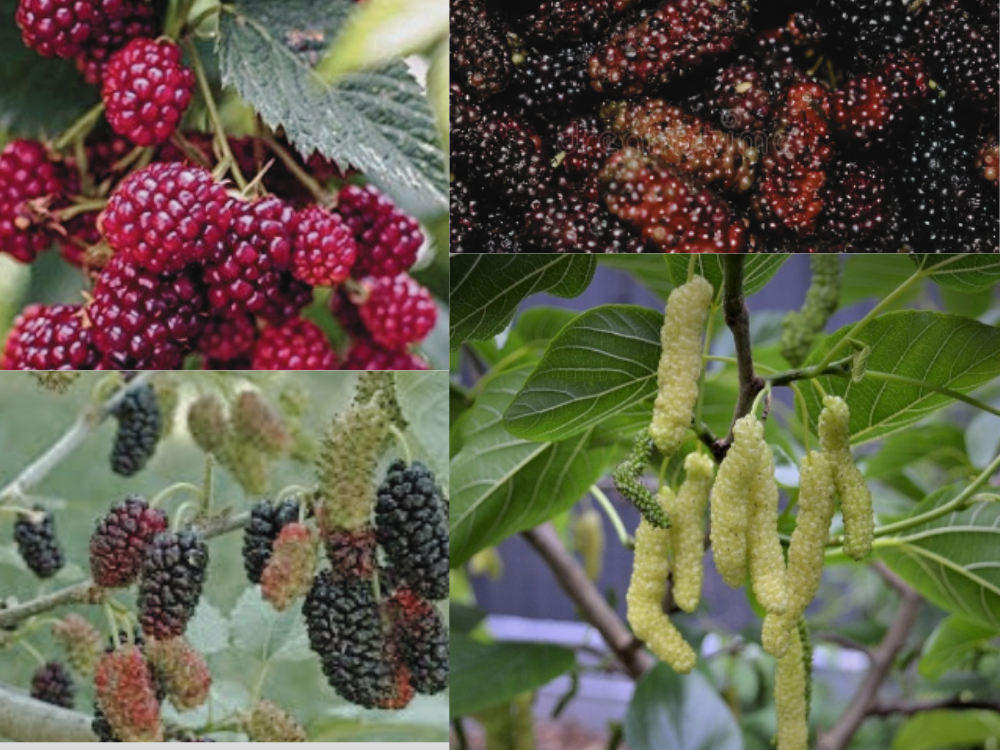
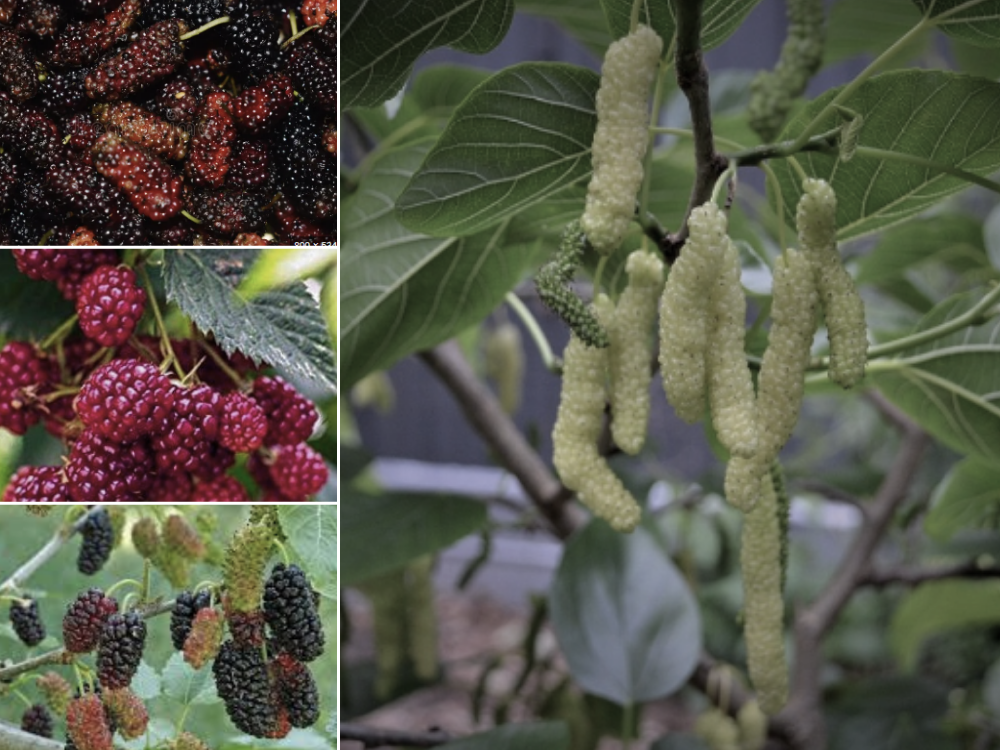
The fruit of the mulberry is
- Long and cylindrical, sometimes resembling a pepper shape
- Available in white and black varieties
- Either long or short in size
Among these, the black mulberry is generally considered more effective for medicinal use.
Growth Cycle
New leaves begin to appear in spring, following the winter season.
Varieties and Distribution
In addition to the common white and black types, another variety is found in Balochistan. Mulberry trees are widely grown in various regions due to their agricultural and medicinal importance.
Wood
The wood of the mulberry tree is typically yellowish and moderately strong.
Temperament (Traditional View)
In traditional medicine, mulberry is considered to have a cold temperament.
Pharmacological Actions
Mulberry possesses the following medicinal properties:
- Astringent
- Cooling and soothing
- Mildly laxative
- Thirst-quenching
Medicinal Uses
Throat and Mouth Conditions
Mulberry is especially beneficial for the following:
- Sore throat
- Mouth ulcers
- Thrush
The juice or syrup of the fruit is commonly used, while gargling with leaf decoction provides relief in throat infections.
Preparation for Gargling
A useful remedy includes:
- Mulberry leaf juice or decoction
- Mixed with coriander leaves
- A small amount of alum
This mixture helps soothe throat irritation and inflammation.
Hydration and Cooling Effect
Mulberry helps to
- Quench thirst
- Provide a cooling effect to the body
- Support overall hydration
Blood Pressure Support
It may help in reducing blood pressure, especially when consumed as a fruit juice or syrup.
Root Bark Uses
A decoction of the root bark is traditionally used for certain internal conditions. When combined with leaves, its effectiveness may be enhanced.
Common Preparations
Mulberry is commonly used in the following forms:
- Fresh fruit
- Juice
- Syrup (especially black mulberry syrup)
- Decoction of leaves or root bark
Special Benefits
- Highly effective for throat and mouth diseases
- Provides cooling and soothing relief
Dosage
- Syrup: approximately 1 to 3 grams
- Water: approximately 5 to 10 grams
- Root bark decoction: approximately 2 to 3 grams
(Dosage should be adjusted according to professional guidance.)