



Introduction
Watermelon (Citrullus lanatus) is a widely cultivated fruit known for its refreshing taste and high water content. It is especially popular in hot climates and is valued for its cooling and hydrating properties, as well as its medicinal benefits in traditional systems of medicine.
Botanical Description
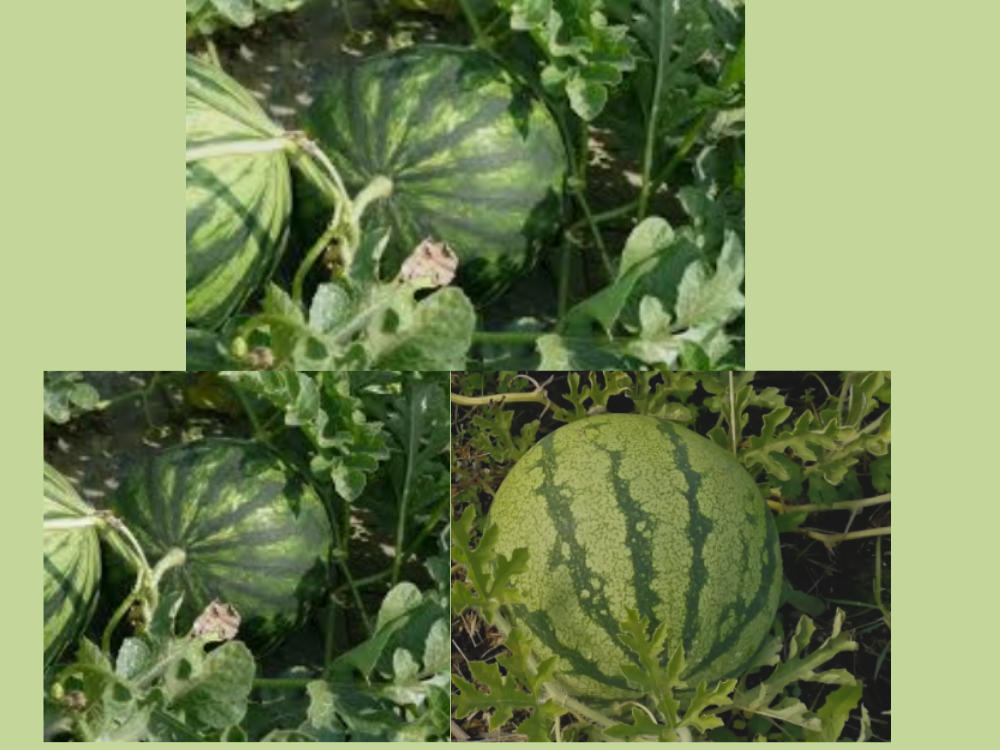
Watermelon is a creeping vine plant, similar to melon or cucumber, but much longer in growth. Its vines can extend up to 30 to 35 feet in length, spreading across the ground.
Leaves
The leaves are:
- Deeply divided into rough sections
- Similar in appearance to bitter gourd leaves
- Coarse in texture
Fruit
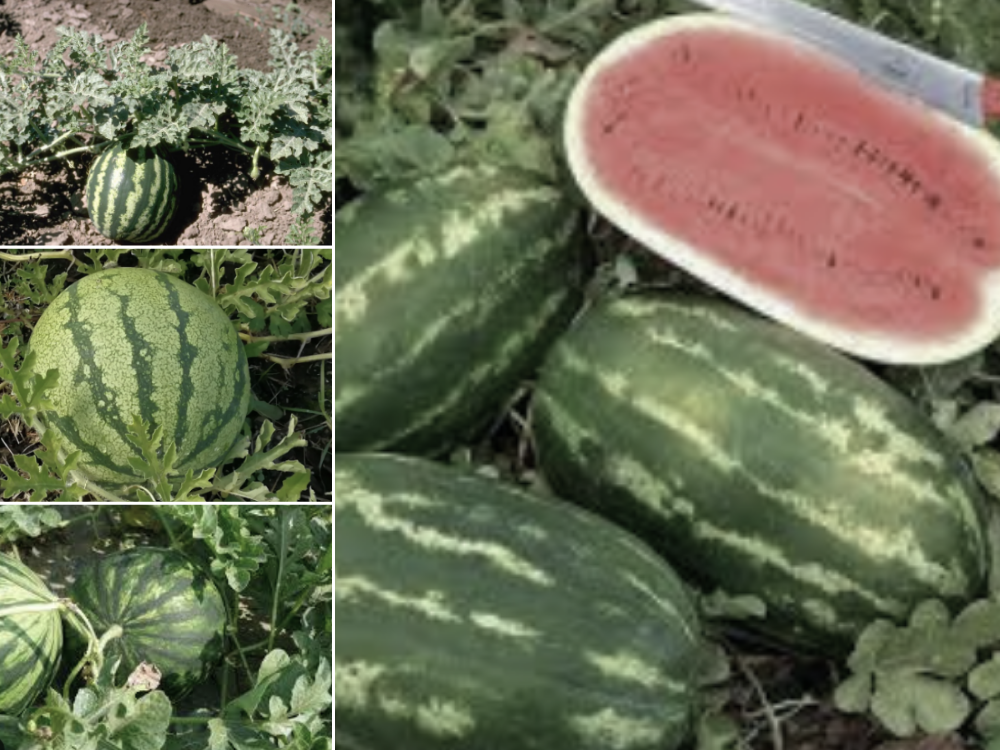
Watermelon fruits vary widely in size and shape.
Characteristics
- Weight ranges from 1 kg to 30 kg
- The outer rind may be dark green, striped, or plain
- Inner pulp is
- White when unripe
- Pink or red when fully ripe
- Sometimes remains white in certain varieties
Taste and Texture
- Juicy and refreshing
- Sweet with slight astringency
Seeds
- Found in black, brown, red, or white colors
- Often smooth and sometimes speckled
Additional Uses
- The rind is used as animal fodder
- Small, unripe fruits can be cooked as a vegetable
Habitat and Distribution
Watermelon is commonly grown in sandy soils, especially along the following:
- Riverbanks
- Canal sides
- Drainage areas
It is widely cultivated throughout Pakistan and India, particularly in regions such as the following:
- Rajasthan
- Gujarat
- Punjab
- Uttar Pradesh
Chemical Composition
Watermelon pulp contains:
- High water content
- Natural sugars
- Vitamin C
These components contribute to its hydrating and nourishing effects.
Temperament (Traditional View)
In traditional medicine, watermelon is considered to have a cold temperament (second degree).
Pharmacological Actions
Watermelon exhibits several beneficial actions, including:
- Cooling and soothing
- Mild laxative
- Hydrating
- Anti-inflammatory
- Slightly astringent
Medicinal Uses
Cooling and Hydration
Watermelon is highly effective in:
- Reducing body heat
- Relieving thirst
- Preventing dehydration in hot weather
Digestive Health
It is useful in:
- Stomach inflammation
- Bilious conditions (excess bile)
- Mild constipation
- Intestinal irritation
Fever and Heat Conditions
Watermelon helps in:
- Bilious fevers
- Heat-related conditions
- General body cooling during fever
Urinary and Kidney Health
Due to its soothing and hydrating nature, it is beneficial in:
- Urinary tract irritation
- Bladder inflammation
- Supporting the removal of small kidney stones
Liver Support
Watermelon may assist in:
- Managing jaundice
- Supporting liver function
Special Notes
- It is gentle on the stomach when consumed in moderate amounts
- Best consumed fresh and ripe for maximum benefit
Dosage
- Taken according to digestive capacity
- Usually consumed as fresh fruit or juice
Common Preparation
- Fresh watermelon slices
- Watermelon juice