



Introduction
Chamomile, commonly known as babuna in traditional medicine, is a well-known medicinal herb valued for its calming, digestive, and anti-inflammatory properties. It belongs to a group of related plants, but in herbal practice, the term “chamomile” specifically refers to its flowers, which are widely used in remedies.
Botanical Description
Chamomile is a small herbaceous plant that typically grows up to three feet in height, although some varieties may remain shorter (around one foot). It has numerous thin, soft, green branches, giving it a delicate appearance.
Leaves
The leaves are:
- Small and finely divided
- Sometimes long and slightly hairy
- Soft in texture
Flowers and Seeds
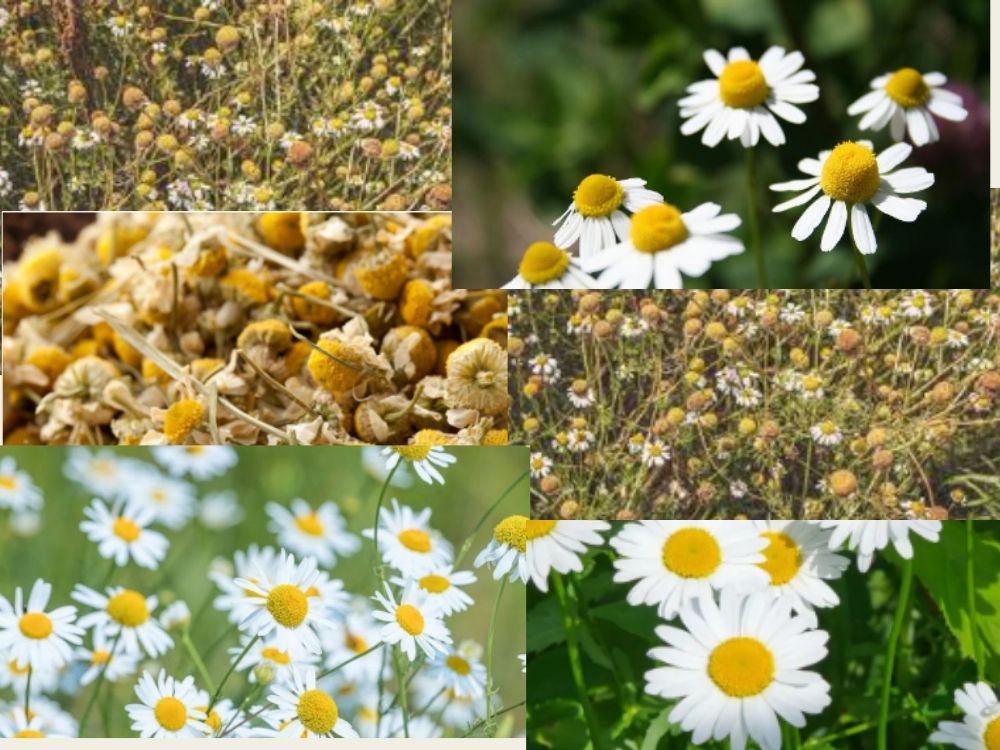
Chamomile flowers resemble small daisies and are the most valuable part of the plant:
- Round flower heads with single or double layers (petals)
- White or yellowish color
- White flowers are considered more fragrant and medicinally effective
The seeds are located within the flower heads. During drying, special care is required to preserve their fragrance and natural color, as these indicate potency.

Parts Used
- Flowers (primary medicinal part)
- Roots (used in some traditional preparations)
- Chamomile oil (extracted from flowers)
Geographical Distribution
Chamomile is widely found in the following:
- Pakistan
- Northern India (plains)
- Europe
- Iraq (historically cultivated in a village called Baboona)
Varieties of Chamomile
Traditionally, several types are recognized:
- Baboona Romani (Roman chamomile)
- Baboona Badbo
- Baboona Gauchasham (Aqhwan)
- Baboona Hispani (Aqqarqa)
Although botanically related, their medicinal descriptions may vary.
Chemical Composition
Chamomile contains several active compounds, including
- Blue volatile oil (rich in azulene)
- Glucosides
- Anthemene and anthemic acid
- Angelic acid and tiglic acid
- Anthemol
- Tannins and other pungent substances
Fresh chamomile oil is typically light blue or greenish-blue, which gradually changes to brown or yellowish over time.
Temperament (Unani Perspective)
- Hot in the second degree
- Dry in the first degree
Pharmacological Actions
Chamomile exhibits multiple therapeutic effects:
- Stomach tonic
- Brain and nervine tonic
- Anti-inflammatory (Muhallal)
- Soothing and mildly astringent
- Emmenagogue (promotes menstruation)
Medicinal Uses
Digestive Health
Chamomile is widely used to
- Relieve stomach pain
- Reduce vomiting
- Improve digestion
It acts as a gentle tonic for the gastrointestinal system.
Nervous System and Mental Health
It is beneficial in:
- Mental stress and nervous disorders
- Weakness and fatigue
Chamomile has a calming effect on the brain and nerves.
Inflammation and Pain
Chamomile is used externally and internally for the following:
- Bruises and swellings
- Sprains and muscular pain
- Chest pain and respiratory discomfort
It is often applied as a wash, steam, or massage oil.
Fever and Liver Disorders
It is traditionally used in the following:
- Shivering fever
- Jaundice
Its anti-inflammatory and detoxifying properties support recovery.
Gynecological Uses
Chamomile is used to
- Stimulate menstruation
- Aid in childbirth (traditionally, through steam or sitz bath methods)
Respiratory Health
Chamomile helps relieve the following:
- Respiratory pain
- Congestion and mild breathing issues
Chamomile Oil Uses
Chamomile oil is widely used in the following:
- Massage oils for sprains and swelling
- Earache relief
- Various ointments and topical applications
Special Benefit
- Acts as a strong anti-inflammatory (Muhallal) and resolvent, helping reduce swellings and dissolve inflammatory conditions.
Dosage
- 1 to 3 tablespoons (in infusion or preparation form)
Formulations and Preparations
Chamomile is included in several traditional preparations, such as
- Chamomile oil
- Muhallal ointment
- Philosopher’s ointment
- Galen’s ointment
- Futiki ointment