




Arjun Tree (Terminalia arjuna): Benefits, Uses, and Medicinal Properties
The Terminalia arjuna, commonly known as Arjun, is a well-known medicinal tree widely used in traditional Ayurvedic and herbal medicine. It is particularly valued for its powerful effects on heart health and its wide range of therapeutic properties. For centuries, the bark, leaves, and fruit of this tree have been used in herbal remedies across South Asia.
Types of Arjun Trees
Arjun is generally considered to exist in two main forms. One type is a very tall tree known locally as “An.” This tree closely resembles the Arjun tree in its flowers, leaves, and bark. In the Marathi language, it is often referred to as “Arjun Savar.”
Traditional herbal practitioners believe that the bark of the “An” tree is even more potent than that of the common Arjun tree. Many of the medicinal properties described for Arjun bark in Ayurvedic texts are also present in this tree, sometimes in stronger form.
An interesting feature noted by traditional healers is that if something is written on the bark of the tree using an iron rod, the writing may still appear beneath the outer bark layer.
Tree Characteristics
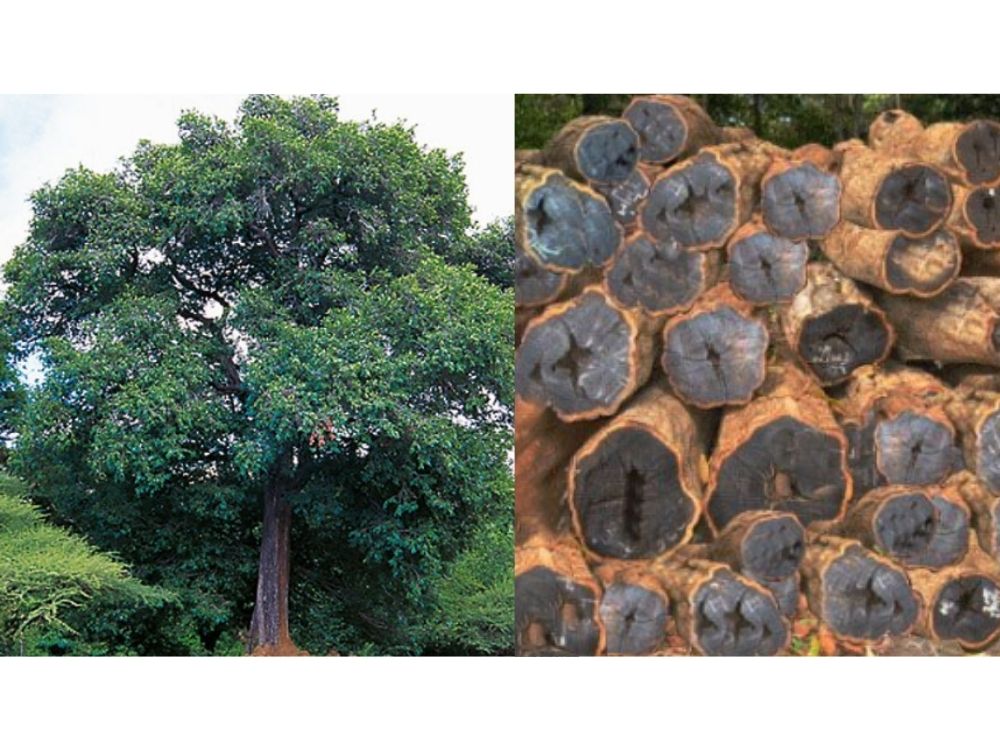
The Arjun tree is a large and impressive plant.
- Height:
- “An” tree: approximately 80–100 feet tall
- Arjun tree: about 60–70 feet tall
- “An” tree: approximately 80–100 feet tall
- Trunk Thickness: The trunk of the “An” tree can reach 10–20 feet in circumference, making it a massive forest tree.
Leaves
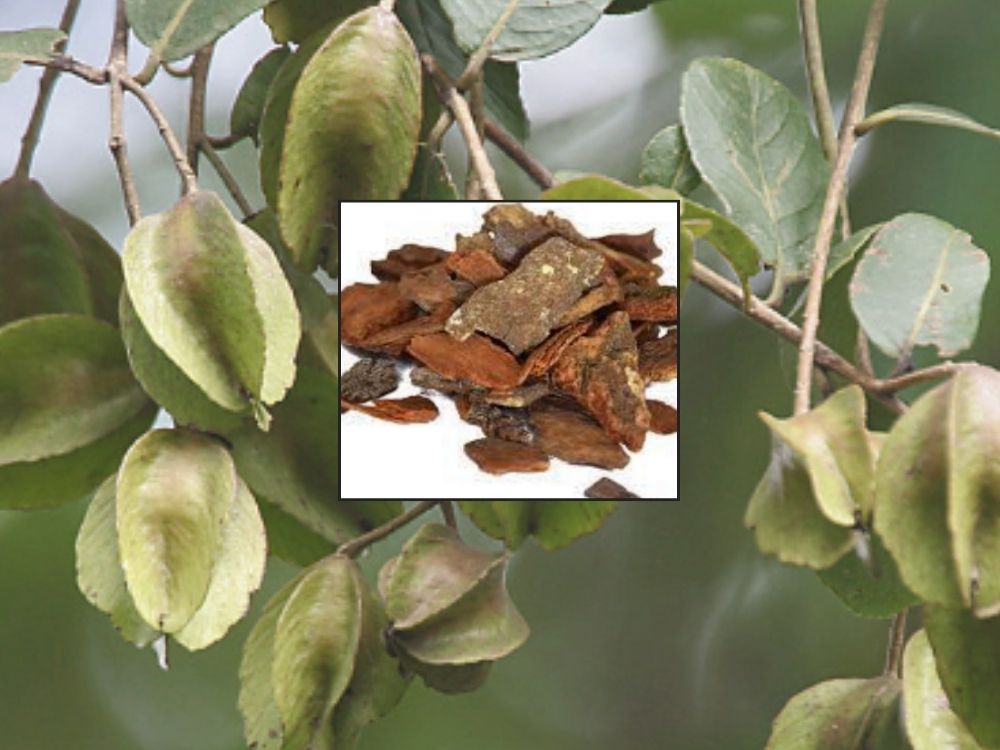
The leaves resemble guava leaves in shape and size.
- Length: 4–5 inches
- Width: 3–4 inches
- Leaves grow 1–2 inches apart along the branches.
Initially, the leaves are soft and green, but over time they become harder and brownish, almost wood-like in texture. The fruit of the tree contains the seeds used for propagation.
Bark
The bark of the Arjun tree is the most commonly used medicinal part.
- Smooth and whitish in color
- 1–3 inches thick
- Soft and fibrous inside
- The tree naturally sheds its bark once every year
When crushed, the bark may release a milky substance and has a bitter taste. Both white and red bark varieties are found, but the white bark is generally preferred for medicinal use.
Chemical Composition
The bark contains several important medicinal compounds, including
- Tannins
- Glycosides
- Approximately 30% mineral content, including sodium and calcium carbonate
These components contribute to the plant’s therapeutic properties.
Natural Habitat
The Arjun tree grows widely across South Asia and nearby regions. It is commonly found in:
- Foothills of the Himalayas
- Bengal
- Punjab
- Lahore
- Myanmar
- Sri Lanka
- Delhi
Its medicinal properties have been documented in classical herbal literature, including Indian Materia Medica, where scholars such as K. C. Bose and Desai praised its therapeutic value.
Medicinal Actions
Arjun bark is believed to have many beneficial medicinal actions, including:
- Heart tonic
- Blood astringent
- Antispasmodic
- Blood purifier
- Diuretic
- Anti-irritant
- Anti-chronic fever remedy
- Antidiarrheal
In traditional medicine systems, its temperament is considered cold and dry (second degree).
Health Benefits and Uses
1. Heart Health
Arjun bark is famous for its cardiotonic properties. It strengthens the heart muscles and may help regulate heart rate without causing toxic side effects.
2. Digestive Disorders
A decoction of Arjun bark is commonly used in treating:
- Dysentery
- Excessive bleeding
- Abnormal seminal discharge
3. Wound Healing
Washing wounds with a bark decoction may help them heal faster due to its astringent and antiseptic properties.
4. Skin and Scar Treatment
The decoction is sometimes applied externally to help reduce scars and skin marks.
5. Tuberculosis Support
Traditional Bengali physicians have used Arjun bark for tuberculosis treatment, often mixing it with:
- Bamboo juice
- Honey
- Ghee
- Butter
6. Earache Relief
Burning the leaves in oil and applying the oil in the ear has been used traditionally to relieve ear pain.
7. Constipation Relief
The fruit pulp, when taken with water up to four times a day, may help relieve constipation.
Dosage
The usual dose is one to three grams of bark pulp, taken as directed in traditional formulations.
Ayurvedic Preparations
Arjun bark is used in several Ayurvedic preparations, including:
- Arjuna Arishta (Arjuna Arisht)
- Arjuna Asava
It is also available in tablet, powder, and decoction forms in Ayurvedic medicine.