



Introduction
Ebony is a large, magnificent, and highly valued tree known for its dense black wood and traditional medicinal uses. It has been recognized for centuries in traditional medicine and woodworking because of its strength, beauty, and therapeutic properties.
Characteristics of the Ebony Tree
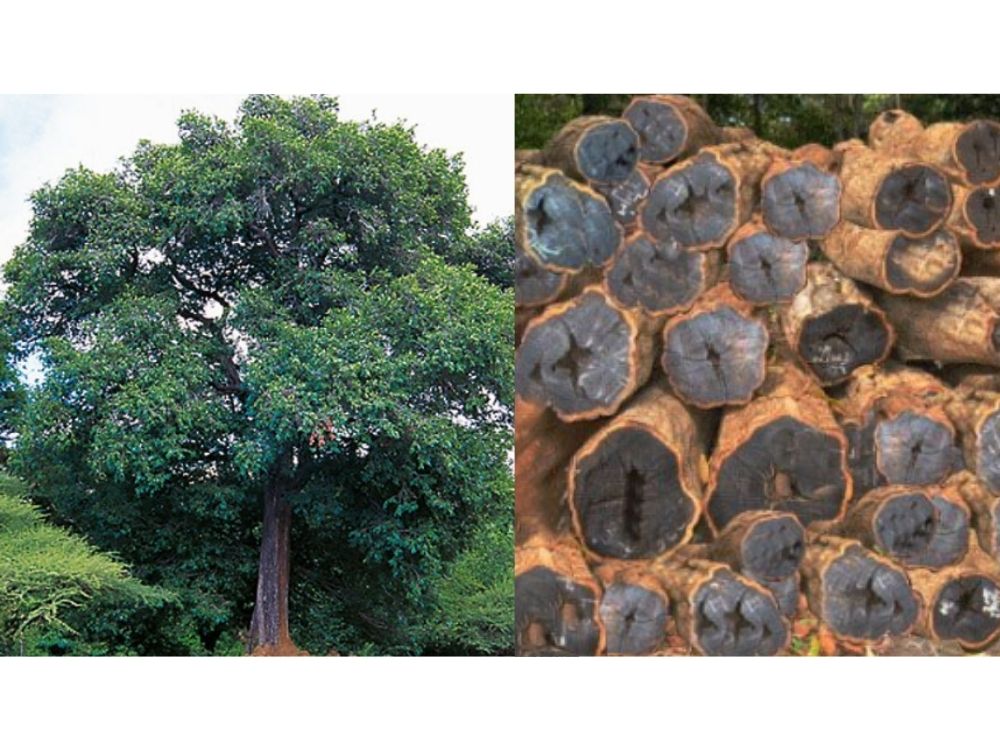
The ebony tree is an evergreen species that remains green throughout the year. It grows into a tall and impressive tree with wide leaves that resemble those of the sandalwood plant. Its flowers are usually white or yellow and are somewhat similar to henna flowers. The fruit has a slightly sweet taste, comparable to grapes, and contains seeds that resemble henna seeds in appearance.
Traditionally, two main varieties of ebony are described. One variety, often referred to as Jabshi, produces very dark, almost jet-black wood that is hard, smooth, and heavy. Because of these qualities, this type is highly valued and often preferred in traditional medicine and crafts. Another variety produces wood that is more reddish-white in color.
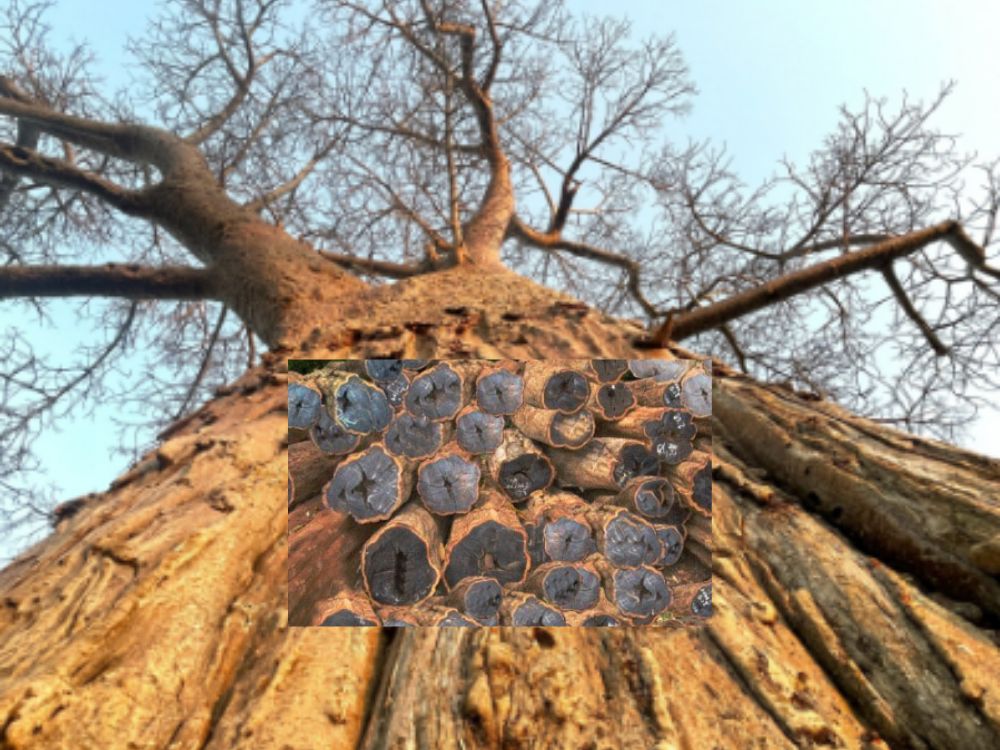
The tree was historically cultivated in regions such as Arabia and Persia and is now also found growing in India and nearby regions. When the tree becomes old, its outer bark is removed to reveal the deep black inner wood. This wood is extremely dense and heavy and is known to sink in water. When burned, it releases a pleasant fragrance.
Temperament (Traditional Description)
In traditional Unani and herbal medicine, ebony is considered to have a hot and dry temperament in the second degree.
Medicinal Actions
Ebony wood is believed to have several therapeutic properties, including
- Astringent
- Hemostatic (helps stop bleeding)
- Blood purifier
- Emollient (soothing and softening)
Traditional Uses
Ebony wood has been used in traditional medicine in several ways.
When rubbed like sandalwood and applied around the eyes, it is believed to help relieve eye itching, wounds near the eyes, excessive tearing, night blindness, and certain eye infections or irritations. The wood is also used to make a traditional applicator known as sarmachu, which is used to apply surma (traditional eye medicine).
Because it is considered a blood purifier, ebony wood is sometimes soaked in water, and the filtered infusion is used to help cleanse the blood.
Due to its strong astringent properties, powdered ebony may be sprinkled on fresh wounds or malignant ulcers. It is believed to help stop bleeding, promote healing of old wounds, and protect fresh injuries. A poultice made from ebony can also be applied to the neck for certain conditions.
Applying Ebony preparations to the forehead and drinking its infusion has also traditionally been used in cases of hemorrhage.
Special Benefit
The most notable traditional benefit of ebony is its blood-purifying effect.
Traditional Dosage
The commonly recommended traditional dosage is 5 to 7 masha (a traditional unit of weight used in herbal medicine).