



Introduction
Charak and Sushruta also mention this ancient Indian herb. And some have considered it a type of Brahma Dandi, which is a traditional term referring to a specific category of plants in Ayurvedic medicine that are believed to have medicinal properties.
Plant structure and growth
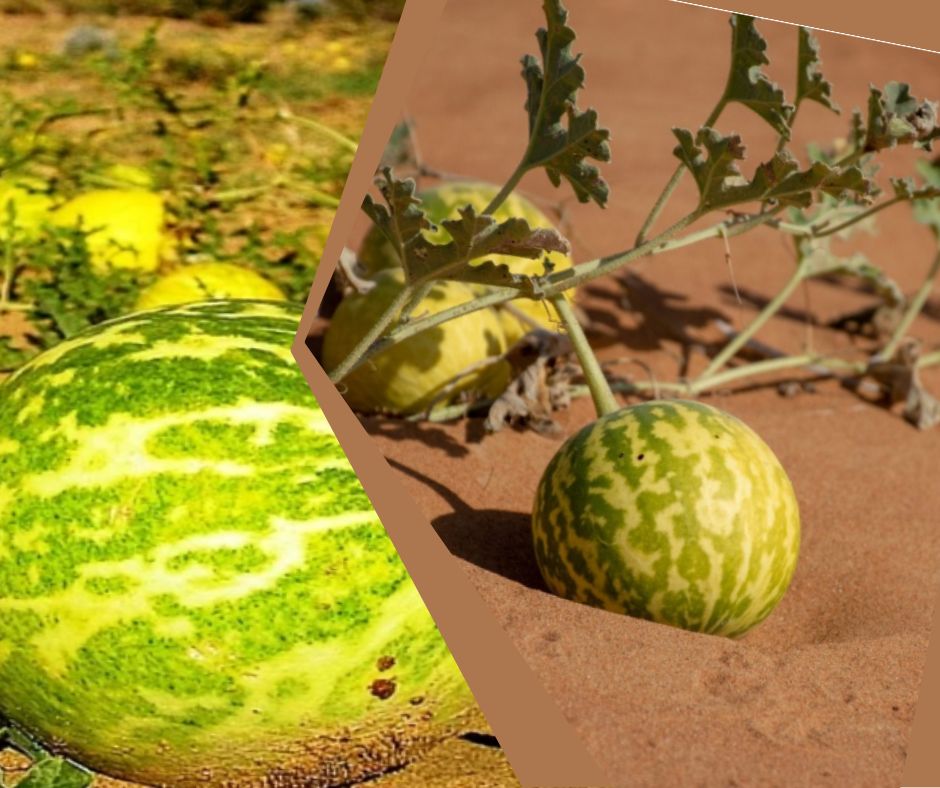
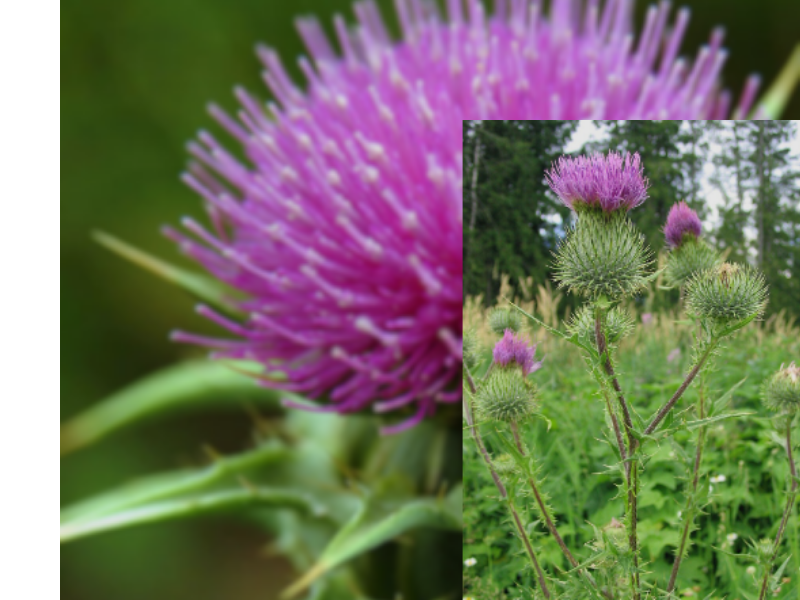
Additionally, some regard Satyanasi (Mexican prickly poppy) as a type of camel thorn. But these two are not the same; like the Satyanasi plant, this plant has thorns everywhere. The branches that rise up from the plant are numerous. Its branches are adorned with thorns. Its plant is often seen to be one to two and a half feet high.
Root characteristics:
In winter, the plant remains green until it bears fruit. Its plant resembled the Satyanasi plant at that time. Its root is four to six inches long. Its root bark is commonly used for weakness, particularly in traditional medicine to help improve energy levels and overall vitality. Its leaves are slightly shorter than those of the Mexican prickly poppy, and it’s white and hairy from below. Its fruits look like round thorny balls, and its thorns are quite long. It has white flowers with five petals. A white cotton-like substance comes out of it.
Temperament: Hot and dry, third degree
Actions:
Soothing and astringent, tonic, stomachic. Antipyretic, anti-inflammatory, mild laxative.
Uses:
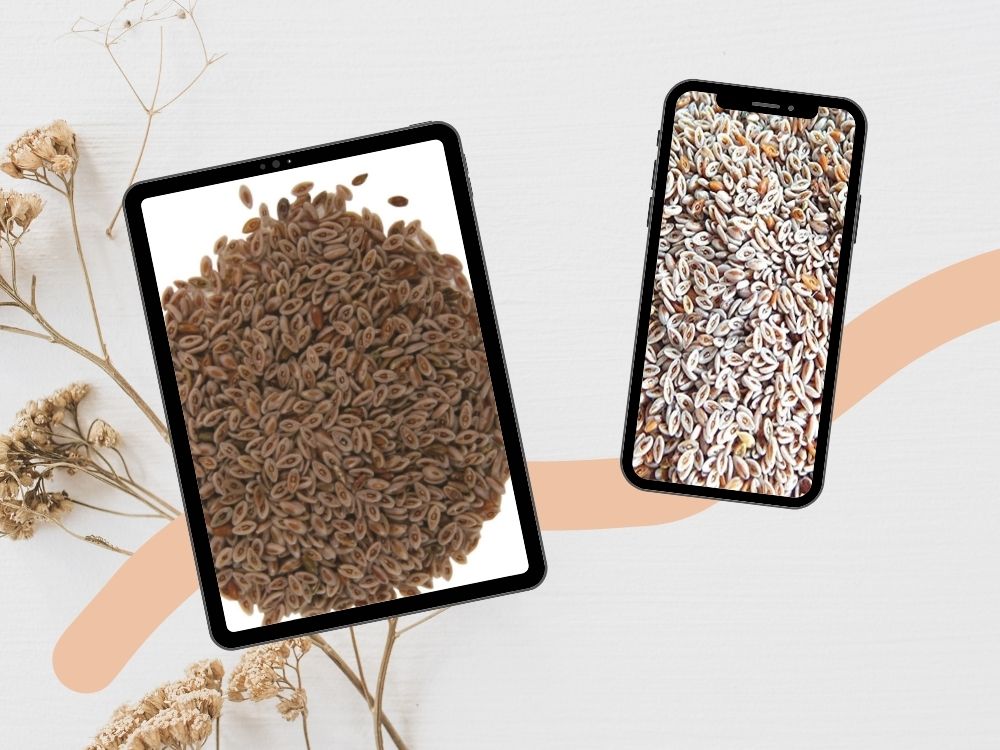
Its root peel and seeds are commonly used; the seeds remove lack of appetite, indigestion, jaundice, and bile in the intestines, which are excreted through urine and stool. It is useful for gout, arthritis, and other conditions. The peel of the root is used as a decoction for fever, stones, diarrhea, blood purification, and reducing thirst, while eating the root is useful for cough. Grinding its root and its bark finely and coating it is useful in pain relief. Grinding the root and bark, mixing it with honey, and coating the penis increases bile.
If its root is tied with a cloth at the palate of a pregnant woman, then the baby is born easily. But after that, remove the root immediately; otherwise, there is a possibility of harm, such as complications during childbirth or adverse effects on the mother and baby. This herb is such an effective medicine that it even expels a dead baby from the womb.
Leaves:
Giving the juice of its leaves with honey is useful in cough and asthma. And by cleaning the thorns and tying the leaves with a bandage, the nodules dissolve. Making the pulp of its plant with honey or sugar brings urine and removes blood disorders.
Its root and seeds are useful in impotence and weakness. Boiling the peel of its root in cow’s milk and making ghee and eating it is useful. The Shahi Hakeem of Jammu used to make a weak elixir medicine called Roh Jeevan Boti and use it.