



Introduction
Acacia, commonly known as Babool, is a well-known medicinal tree valued for its bark, leaves, pods, and gum. It has been widely used in traditional medicine for its strong astringent and healing properties.
Plant Description and Characteristics
Acacia is a medium-sized tree, typically growing to a height of 25 to 30 feet.
- Its branches are sharp and slightly drooping
- The tree has a sturdy structure and thrives in warm climates
- It is commonly found across the subcontinent but does not grow above 2,500 feet in altitude.
Acacia trees are generally classified into two types: small and large varieties.
Leaves, Thorns, and Bark
Leaves
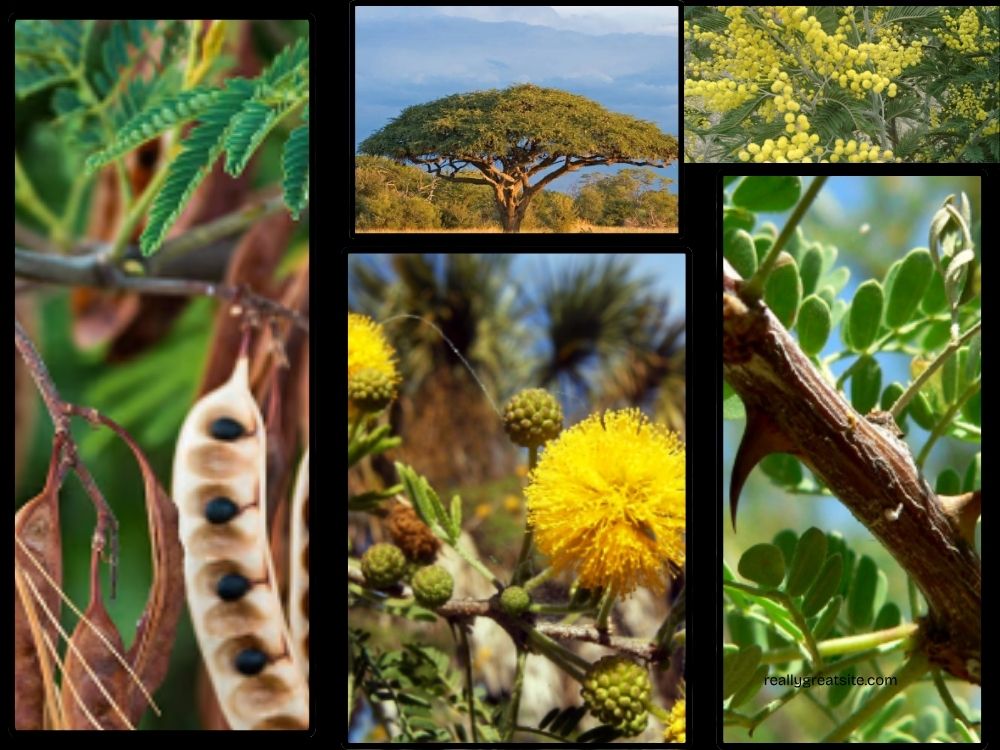
- Similar to tamarind leaves but smaller
- Arranged in 10 to 20 pairs along a central stalk
- Positioned opposite each other
Thorns
- White, needle-like, and sharp
- Usually 1 to 3 inches long
Bark
- Rough on the outside and grayish when dry
- Reddish from the inside
- Rich in medicinal compounds
Flowers, Fruits, and Seeds
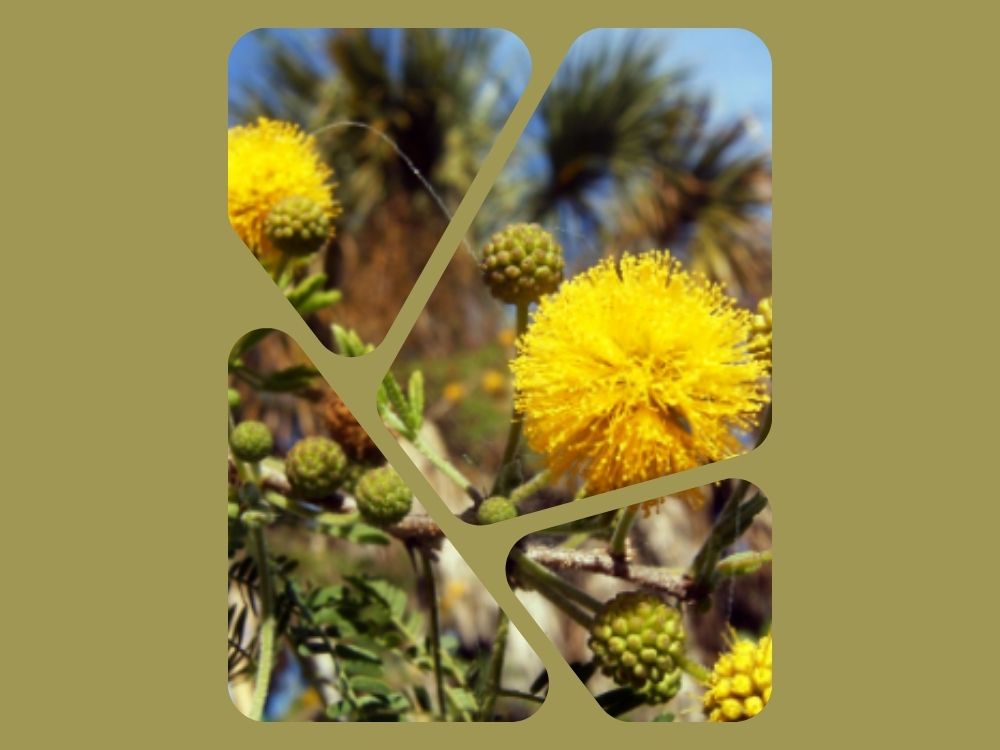
Flowers
- Small, yellow, and round
- Slightly fragrant
- Grow in clusters with short stalks
Fruits (Pods)
- Ripen during the summer and fall.
- Fully mature in the winter season
Seeds
- Flat, round, and reddish-brown in color
Gum (Acacia Gum)
Acacia produces a natural gum from its trunk and branches:
- Color ranges from reddish to whitish
- Can be obtained naturally or by making cuts in the bark
- Collected mainly during the summer season
- Widely used in medicinal and commercial preparations
Chemical Composition
Different parts of the acacia tree contain important compounds:
- Bark: Contains approximately 4.22% tannin-like substances
- Pods: Rich in acacia compounds
- Pulp: Contains:
- Uric acid
- Calcium, magnesium, potassium
- Natural sugars
- Around 34% mineral salts
Temperament
According to traditional Unani medicine:
- Cold and dry in the second degree
Medicinal Actions
Acacia is primarily known for its strong astringent properties, along with:
- Cooling effect
- Anti-inflammatory action
- Wound healing
- Blood-stopping (hemostatic) properties
Uses and Health Benefits
Bleeding Disorders
- Helps control bleeding from various organs
- Useful in uterine bleeding
- Beneficial in bloody stools
Women’s Health
- Used for vaginal discharge (leucorrhea)
- Strengthens reproductive tissues
Digestive Health
- Helpful in diarrhea, especially when pus is present
- Provides relief in intestinal weakness
Eye and Skin Conditions
- Useful in conjunctivitis
- Applied in hot swellings and inflammatory conditions
Hair and External Use
- Used as a paste to darken hair
- Applied externally (after grinding) for healing purposes
Diabetes Support
- Traditionally used to help manage blood sugar levels
Burns and Wounds
- Burnt Acacia powder mixed with egg white is applied to burns for healing
Common Preparations
Acacia is used in various traditional formulations, including:
- Acacia tablets
- Camphor tablets
- Gulnar tablets
- Bark-based preparations
- Herbal powders like Safuf
- Syrups such as Sharbat formulations
- Medicinal oils
Dosage
- Recommended dose: 1 to 1.5 grams