



Introduction
Wormwood, scientifically known as Artemisia absinthium, is a highly aromatic and bitter medicinal plant widely used in traditional medicine. Known for its strong camphor-like smell and powerful therapeutic properties, it has been used for centuries to treat digestive disorders, infections, and nervous conditions.
Plant Characteristics
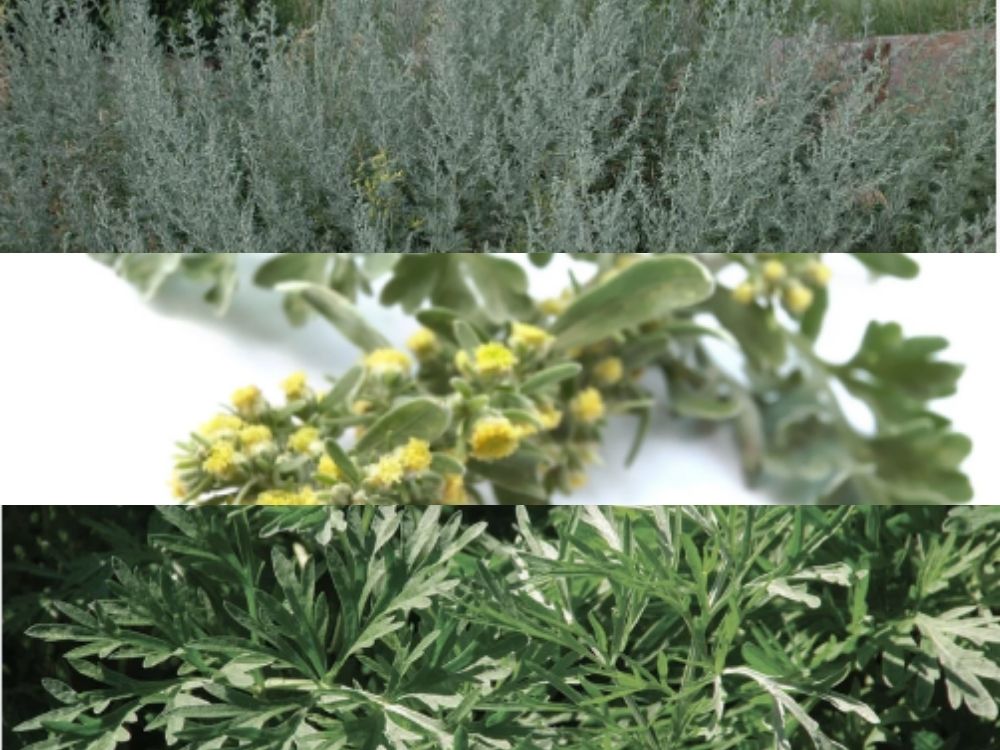
Wormwood is a plant that grows on the ground and has two main stems. It usually grows to be one to three feet tall. Its branches can also extend one to three feet in length and are covered with fine white hairs. The bark has a reddish-almond color, giving the plant a distinctive appearance.
Leaves Description
The leaves are soft and covered with silky hairs on both sides. They are green in color and finely cut, giving them a delicate and feathery texture. This structure contributes to the plant’s characteristic look and medicinal potency.
Flowers and Seeds
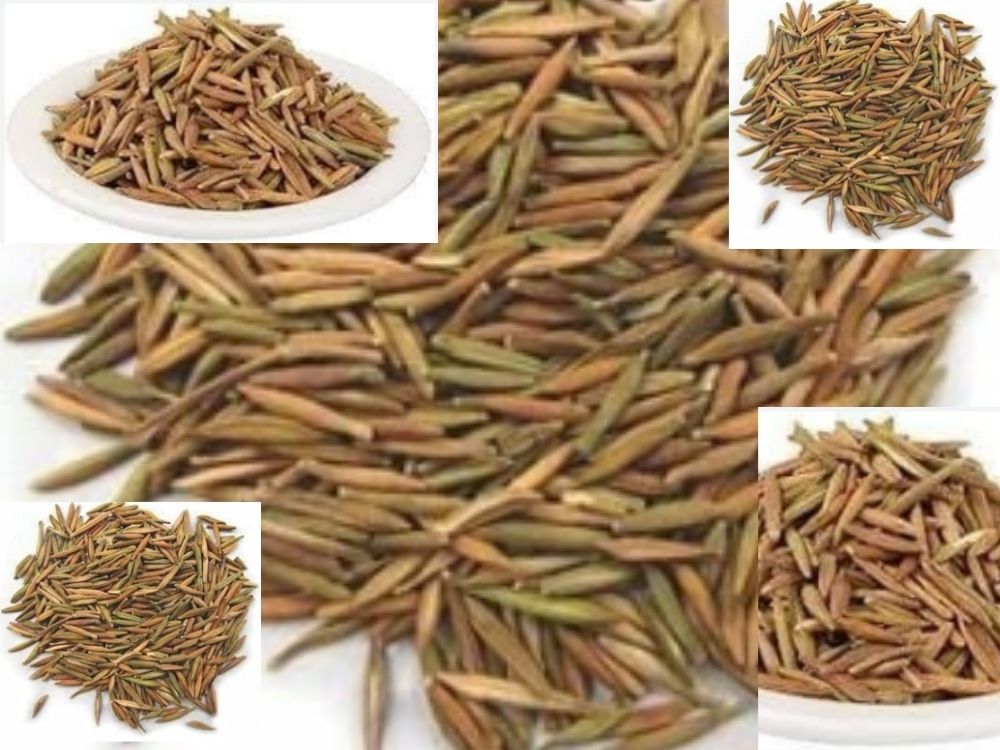
Wormwood produces numerous small flower heads that are whitish-yellow in color. The seeds are small, round, and also whitish-yellow, filled with a soft, spongy material. These reproductive parts play a role in the plant’s propagation.
Aroma and Taste
All parts of the plant have a strong aroma and an intensely bitter taste. It resembles hemp in structure but differs in its grayish-brown color and distinct camphor-like fragrance.
Habitat and Distribution
Wormwood grows in a wide range of regions, including North Africa, the Deccan, America, Europe, Siberia, Khorasan, and Afghanistan. It is also found in mountainous regions such as Kashmir, Nepal, Tibet, and Kumaon at elevations of 10,000 to 12,000 feet, as well as throughout India. The plant exists in many different varieties.
Chemical Composition
Wormwood contains about one and a half percent of a volatile oil that evaporates easily. This oil includes important compounds such as absinthol and absinthin. In addition, the plant contains approximately five percent of a bitter substance along with other active components responsible for its medicinal effects.
Temperament (Mizaj)
In traditional medicine, wormwood is considered hot and dry in the second degree. This makes it effective in treating conditions associated with coldness and excess moisture in the body.
Medicinal Actions
Wormwood has a wide range of medicinal actions. It acts as a digestive stimulant, expectorant, laxative, and stomachic. It also possesses anti-inflammatory and fever-reducing properties. Additionally, it is known for its ability to destroy harmful organisms and improve overall digestive health.
Health Benefits and Uses
Due to its expectorant properties, wormwood helps open the pores and ducts of the liver, stomach, and intestines, improving their function. It is especially beneficial for digestive issues and loss of appetite.
Its cleansing (Jali) properties make it useful for removing skin blemishes when applied with honey. It is also traditionally used for eye conditions, where it helps cleanse and improve blood circulation in the eyes.
Because of its drying nature, wormwood helps reduce excess moisture in the body, making it beneficial for liver health. It has both mild laxative and constipating effects, depending on how it is used.
As a powerful anti-parasitic herb, it is used to eliminate intestinal worms. It is also effective in preventing parasites in stored items such as clothes and books. When added to ink, it prevents foul odors from developing.
Wormwood is also used in treating fevers, especially mixed and intermittent fevers, due to its astringent properties. Its decoction is beneficial in nervous and mental disorders such as paralysis, epilepsy, convulsions, nightmares, weakness, and loss of appetite. It is also used in hemorrhoids and conditions like melancholy.
Special Benefits
Wormwood is particularly beneficial in conditions involving mixed immunity and excess phlegm. Its ability to cleanse, dry, and stimulate the body makes it a versatile herbal remedy.
Dosage
The recommended dosage of wormwood is typically between 2 and 5 grams, depending on the preparation and condition being treated.
Herbal Formulations
Wormwood is included in several traditional compound medicines such as Afistanine and Jamad Kabad and formulations used for liver and stomach tumors mentioned in classical texts like Bayad Kabir. It is also used in preparations like Rogan Kalan and Qasr Elads for enhanced therapeutic effects.