



Introduction
Oshaq, also known as Ushaq, is a medicinal substance obtained from a small tree. It is valued in traditional medicine for its resin (gum), which possesses various therapeutic properties. This resin is widely used in herbal preparations, ointments, and remedies for respiratory and joint-related conditions.
Botanical Description
Tree and Roots
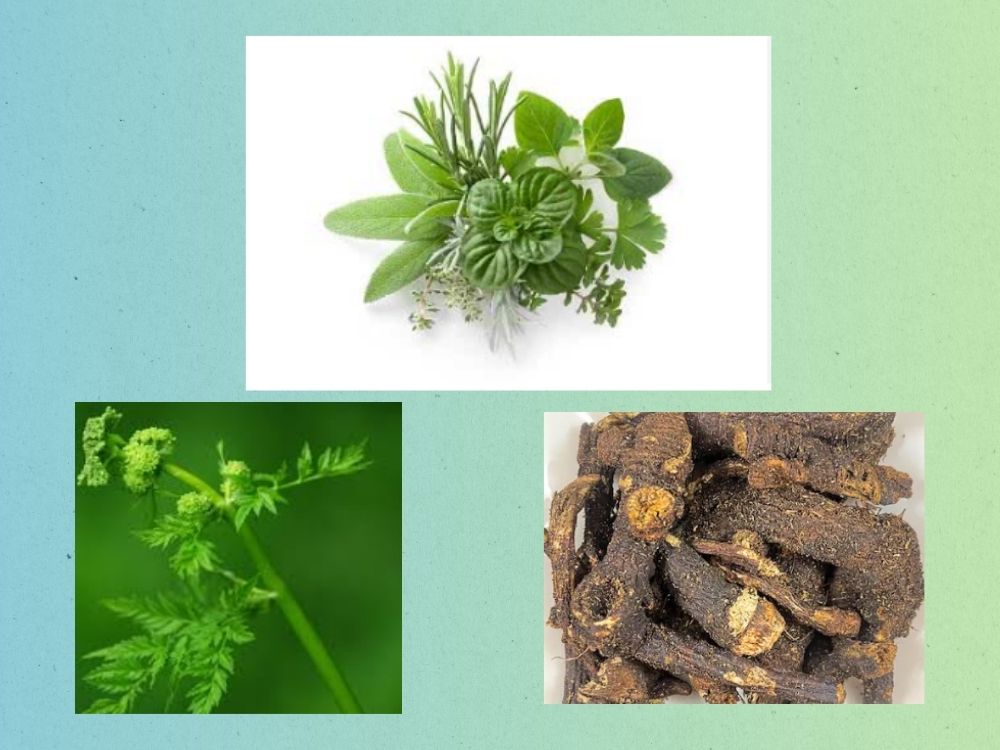
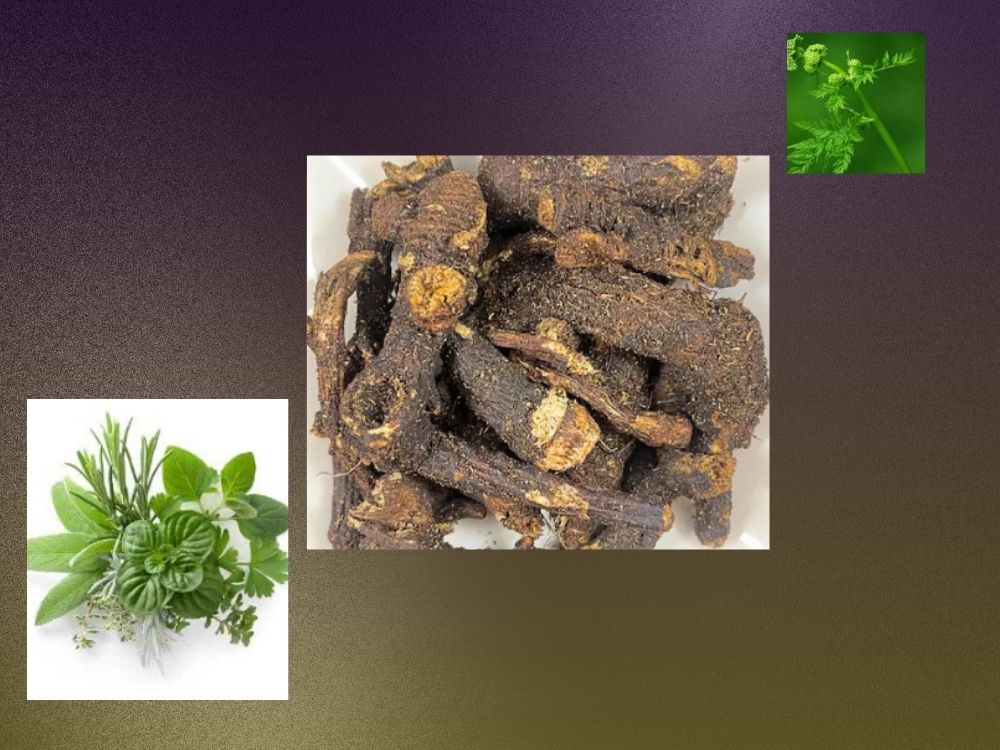
The Oshaq tree is small in size. Its roots are thin, conical, and resemble those of a turnip or apple. The outer bark appears as a thin, yellowish-white layer, similar to paper.
Leaves
The leaves are round in shape and resemble plum leaves in appearance.
Fruits
Its fruits are small and grayish-brown in color.
Resin (Gum) Formation
When the small root branches are cut, a resin-like substance is released. Additionally, as the stems and branches mature, a glue-like resin naturally exudes, which is collected for medicinal use.
This resin forms small, round granules, larger than coriander seeds and sometimes as large as big plums. The outer color is brown, while the inside is slightly yellowish, and it has a distinctive smell.
Chemical Composition
Oshaq contains the following components:
- Gum: 20%
- Resinous matter: 70%
- Volatile (flying) oil
- Other substances: 6%
Geographical Distribution
Oshaq is primarily found in the following:
- Iran
- Afghanistan
- Certain regions of Punjab
Temperament (Mizaj)
According to traditional Unani medicine:
- Hot: Third degree
- Dry: First degree
Medicinal Actions
Oshaq is known for several important medicinal properties:
- Anthelmintic (kills stomach worms)
- Solvent (dissolves harmful substances)
- Mufatt (deobstruent – clears blockages)
- Mulayyin (laxative)
- Jali (cleansing agent)
- Muhallil (anti-inflammatory)
Therapeutic Uses
External Uses
- Applied as a poultice on glands affected by khanazir (scrofula)
- Useful for stiffness in joints and muscular swelling
- Applied to dark or hardened skin areas
- Mixed with vinegar and used during bathing
- Added to ointments for wound healing
- A well-known preparation: Ointment of Oshaq
It produces mild stimulation in nerves and veins, helping dissolve inflammatory substances. When combined with mercury, its effect becomes stronger.
Internal Uses
- Mixed with honey to treat:
- Asthma
- Shortness of breath
- Chronic cough
- Thick phlegm
- Beneficial in:
- Phlegmatic diphtheria
- Laqwah (facial paralysis)
- General paralysis
- Epilepsy
- Enlargement or stiffness of the spleen
- Pain in small and large joints
Special Benefit
Oshaq is particularly effective in relieving joint stiffness, especially in chronic conditions affecting mobility.
Dosage
- From ½ grams to 1½ grams
Compound Formulations
Oshaq is used in various traditional formulations, including the following:
- Ointment of Oshaq
- Ointment of Asal
- Jamad of Khanazir
- Jamad of Kubrait
- Jamad of Musabar
- Akhdar suppositories
- Zafra suppositories