



Introduction
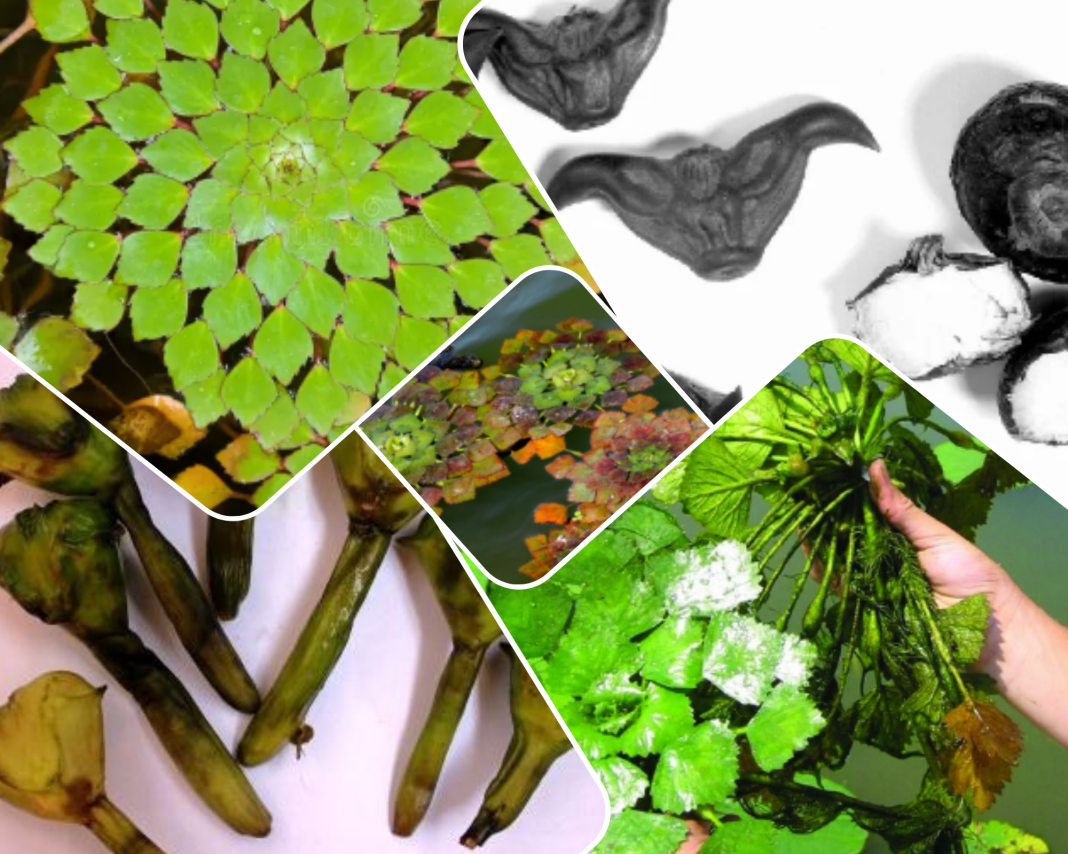
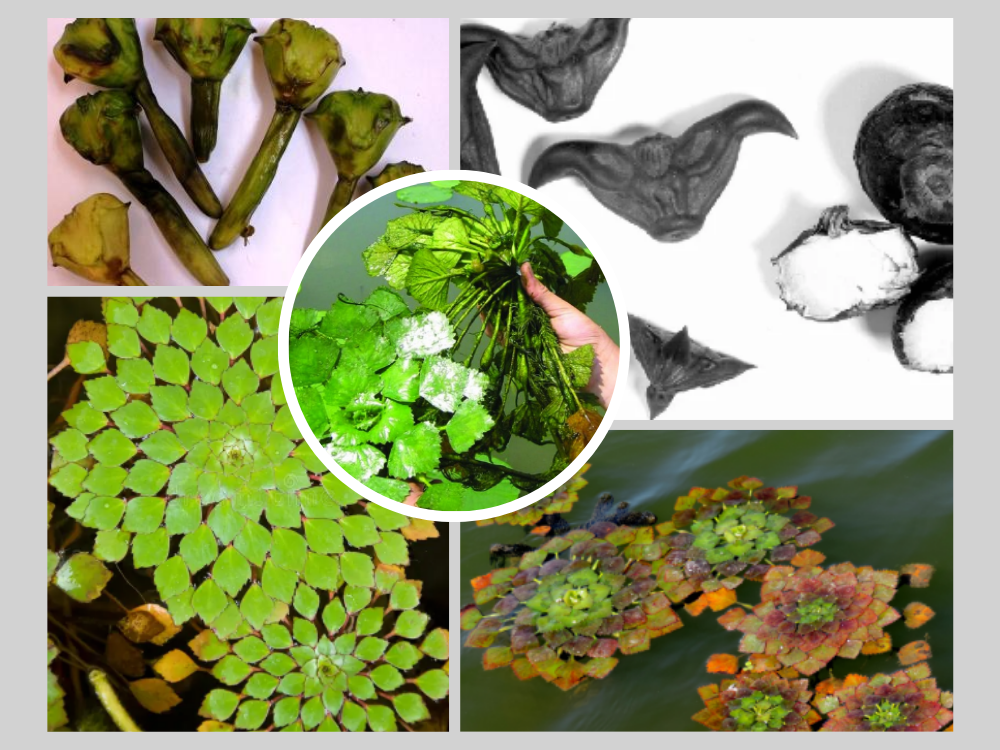
It is the fruit of an aquatic plant. The fruit floats on the surface of the water. It is triangular in shape and has a hard, thorny outer covering. When unripe, it is green, but when fully ripe, the outer covering turns black. Inside, there is white flesh resembling sweet potato, which is used medicinally.
It is commonly found in ponds and other bodies of water in Pakistan, Uttar Pradesh, and many other provinces of India.
Chemical Constituents:
It contains manganese and some other mineral substances.
Temperament:
Fresh, cold, and dry.
Actions:
It is traditionally considered semen-producing, wind-producing, astringent, and binding.
Uses:
Fresh Sanghadra is traditionally used for inflammation of the organs, excessive thirst, dryness of the throat, and roughness. It also has a mild laxative effect.
Hindus traditionally prepare bread or halwa from its flour and consume it during fasting days. Its flour may also be made into a paste with double Egyptian rose and taken with milk. Traditionally, this preparation is considered helpful for weakness or excessive discharge associated with the uterus.
Adverse Effects:
Long-term or excessive use may cause constipation and impair digestion. It may also cause difficulty in urination and colic, and excessive use is traditionally believed to increase the possibility of kidney and bladder stone formation.
Special Benefit:
Traditionally considered a semen-producing agent.
Corrective:
Honey, Egyptian almonds, and oil.
Dosage and Preparations:
It is traditionally used in the form of powder (Safuf), pills, Katra, Hab-e-Jiri, special formulations, halwa, Supari, pure Majoon, and preparations containing dates.