



Introduction
Saalab Misri, commonly known as Salep, is a valuable medicinal plant traditionally used in Unani medicine. It is for its nourishing, tonic, and aphrodisiac properties. The plant is mainly found in mountainous regions and is especially valued for its roots.
Botanical Characteristics
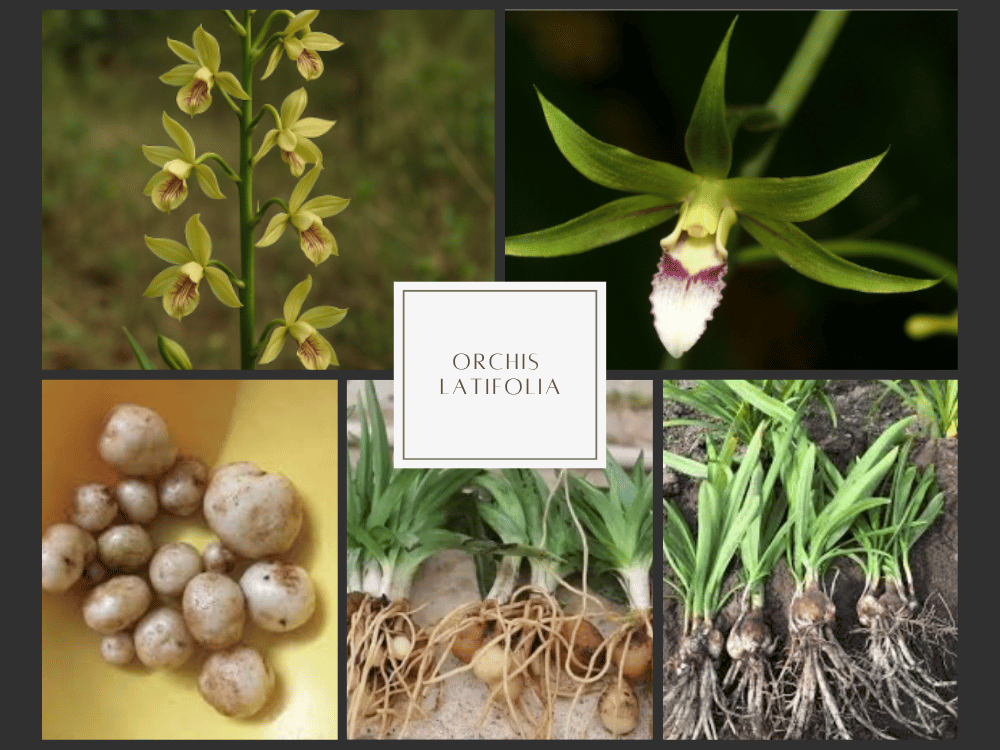
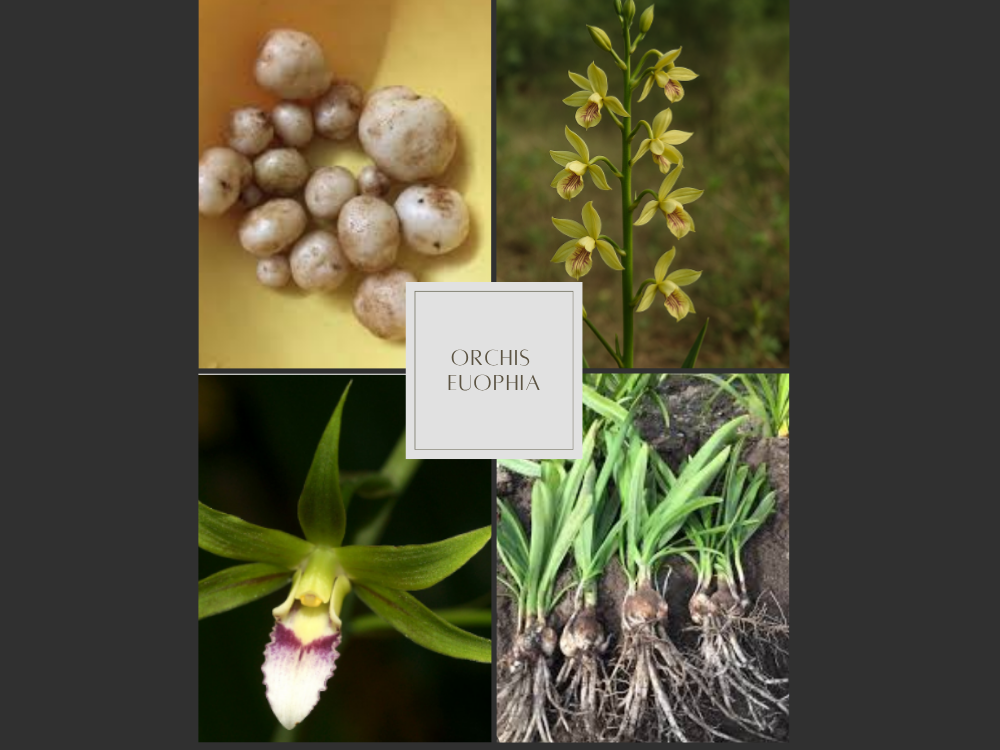
Plant
- Grows up to 1–2 feet in height during the flowering stage
Leaves
- Arise near the root
- Spear-shaped and pointed
- Typically 2–5 inches long
Flowers
- Pink in color
- About 2–3 inches long
- Found in clusters at the ends of branches
Root
- Resembles the claw of a hand, hence called “Salab Panja”
- Sometimes round in shape, known as “Salab Misri”
Season
- Flowers in the month of March
Habitat and Distribution
Salep is found in:
- Himalayan foothills
- Kedarnath valleys (Uttarakhand), including areas such as Gorigund and Sahasratal
- At elevations of around 3,000 meters above sea level
It is also produced in:
- Egypt
- Rome (considered superior in quality compared to Egyptian varieties)
Types of Salep
1. Salab Misri (Primary Type)
- Rounded or claw-shaped root
- Most commonly used medicinally
2. Kambe Sadas
- Plant height: 8–14 inches
- The root has a horn-like lump
- Leaves grow from the base
- The underside of leaves is yellowish-white
- Found in Lahore, as well as in Rome and Egypt
3. Round Tuber Type
- The root is round, about the size of a walnut
- Resembles a wild onion
- Outer color: reddish; inner color: white
- Taste: slightly sweet with mild fragrance
- Stem: about 1 foot high
- Flowers: yellow with a dark center
- Stem color: reddish
Chemical Composition
Salep contains:
- Resin (up to 48% in higher quality types)
- Mucilage/essence (about 27%)
- Sugar (approximately 1%)
- Ash (around 2%)
- Mineral salts including:
- Phosphates
- Chlorides
- Potassium
- Calcium
Temperament
- Moderately warm (hot) in the first degree
Actions (Pharmacological Properties)
- Nutritive and fattening
- Nervine tonic
- General body tonic
- Aphrodisiac
- Semen thickener and enhancer
Medicinal Uses
Reproductive Health
- Strengthens the reproductive system
- Helps in thickening semen
- Commonly taken with milk for enhanced effect
General Tonic Use
- Used in hurirah (nutritive preparations)
- Included in tonic formulations and ointments
External Applications
- Oil prepared from salep is beneficial for the following:
- Uterine health
- Paralysis
- Dysentery
- Phlegmatic disorders
According to Hakim Alvi Khan, fresh Salep is more effective, while dried Salep loses much of its potency.
Special Benefits
- Acts as a powerful tonic
- Enhances vitality and reproductive strength
Dosage
- 3 to 5 grams
Compound Preparations
Salep is used in many classical Unani formulations, including the following:
- Halwa preparations
- Sarkanjabeen
- Safoof-e-Jaryan Khas
- Labub Kabir
- Majun Band Kusha
- Majun Piyaz
- Majun Salab
- Majun Khas
- Majun Khadr
- Majun Rahat-ul-Momineen
- Majun Falasfa
- Majun Mughalliz