



Introduction
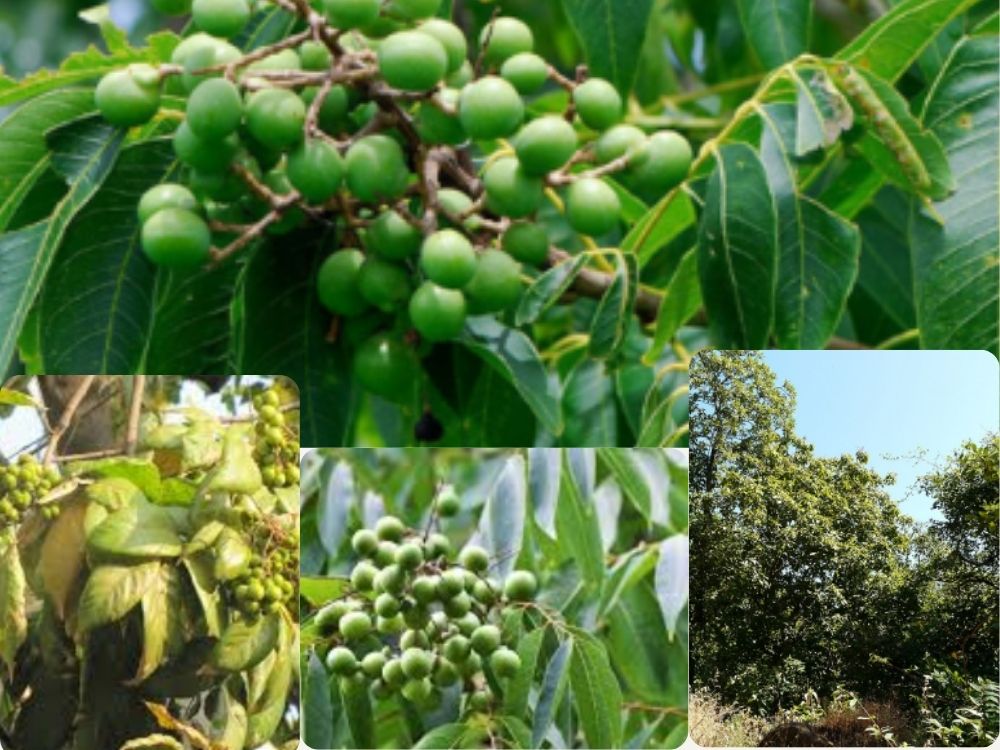
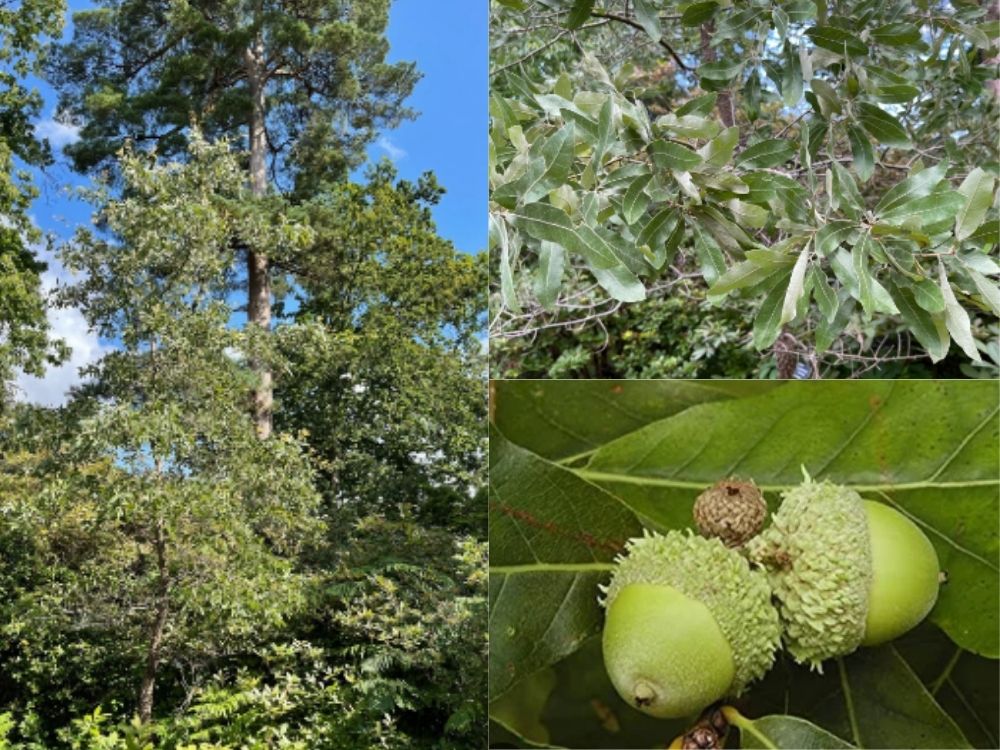
The oak tree (Quercus incana) is a majestic evergreen species commonly found in mountainous regions. Known for its strength and medicinal value, this tree has been used traditionally for various health purposes, especially in South Asia. It thrives in cold climates and holds both nutritional and therapeutic importance.
Nature and Description
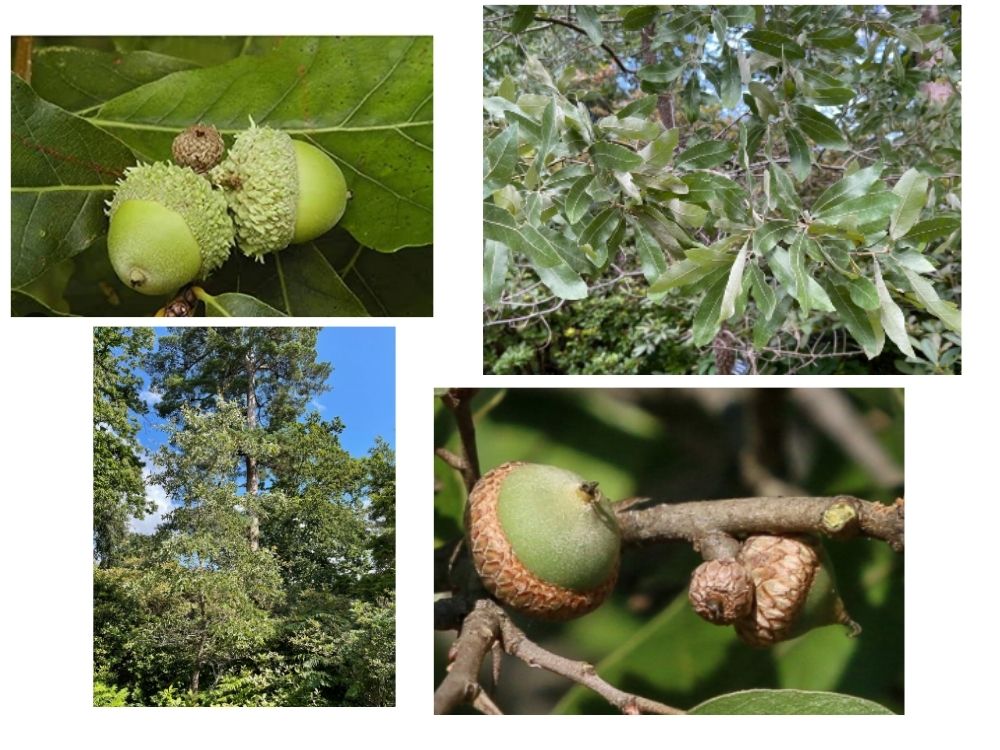
The oak tree is a tall, evergreen mountain tree characterized by its dark, almond-shaped bark. Its leaves are typically 5 to 6 inches long and about 2.5 inches wide, with toothed edges and pointed tips.
The fruit of the oak tree is commonly referred to as an acorn. These fruits are generally round, although some may appear slightly oblong. In traditional terminology, the acorn is sometimes called Sita Sapari. It has a hard outer shell, beneath which lies a delicate husk surrounding the kernel. Due to this layered structure, it is sometimes referred to as “twin oak.”
Habitat and Distribution
Oak trees are primarily found in cold and snowy mountainous areas. They grow abundantly in the Himalayan region, extending from the banks of the Indus River to Nepal. The tree is well-adapted to cold and dry climates.
Temperament (Mizaj)
In traditional medicine, the oak tree is considered to have a cold and dry temperament (second degree).
Medicinal Properties
Oak and its parts, especially the acorn and bark, possess several medicinal properties:
- Astringent (helps in tightening tissues)
- Anti-diarrheal
- Drying agent (reduces excessive moisture)
- Blood-stopping (hemostatic)
Health Benefits
Digestive Health
Oak is highly effective in treating the following:
- Diarrhea
- Dysentery
Its astringent nature helps in reducing excessive bowel movements and strengthening the digestive system.
Control of Bleeding
Oak is beneficial in managing:
- Uterine bleeding
- Internal and external bleeding
Applying oak-based preparations on fresh wounds helps stop bleeding quickly and promotes faster drying and healing.
Urinary Disorders
It is traditionally used in conditions such as the following:
- Frequent urination (Silsal al-Baul)
- Urinary incontinence
Wound Healing
Oak paste, especially when combined with herbs like Nagar Motha, is applied to the following:
- Bedsores
- Mouth ulcers
- External wounds
It helps dry moisture, prevent infection, and accelerate healing.
Rectal and Uterine Care
A decoction of oak is used for washing or sitz baths in cases of the following:
- Rectal discharge
- Uterine discharge
This helps in reducing inflammation and controlling excessive secretions.
Nutritional Use
During times of food scarcity or famine, acorns have been used as a food source:
- Fresh acorns are roasted and eaten with salt
- The pulp can be dried, ground into flour, and used to make bread
However, it is important to note that while acorns provide sustenance, they are not considered highly nutritious compared to staple foods.
Special Benefits
- Helps in both constipation and diarrhea by regulating bowel function
- Supports wound healing and bleeding control
Dosage
The recommended dosage is 2 to 3 grams of the powdered form, depending on the condition and usage.
Compound Preparations
Oak is commonly used in various traditional formulations, including the following:
- Urinary pastes
- General tonics
- Strengthening compounds