



Introduction to the Liver
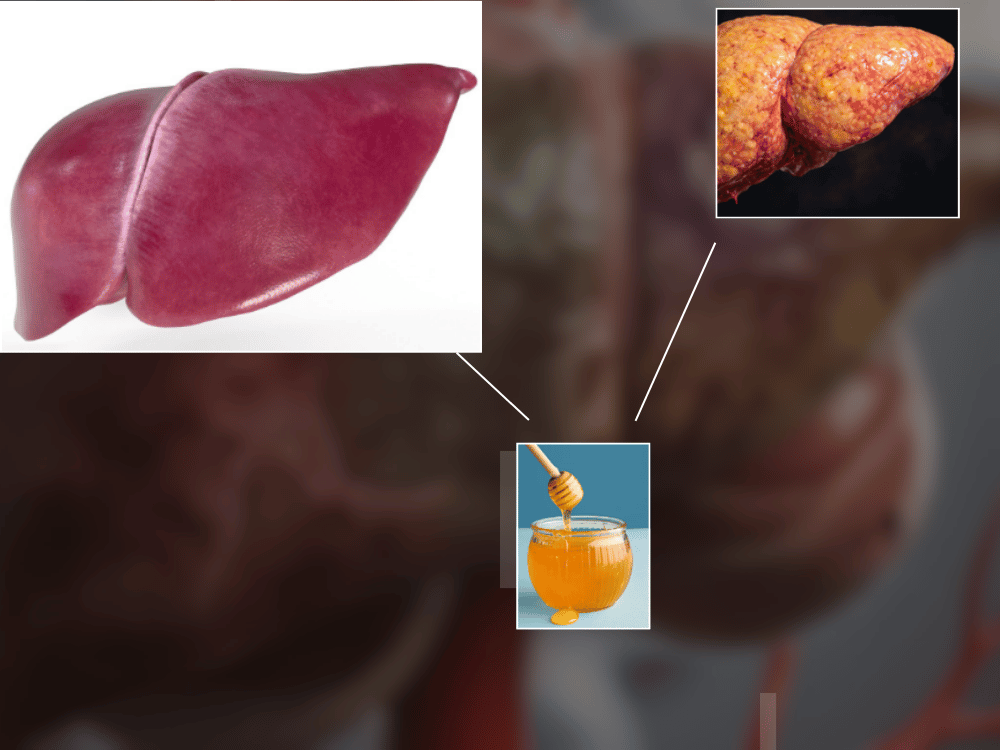
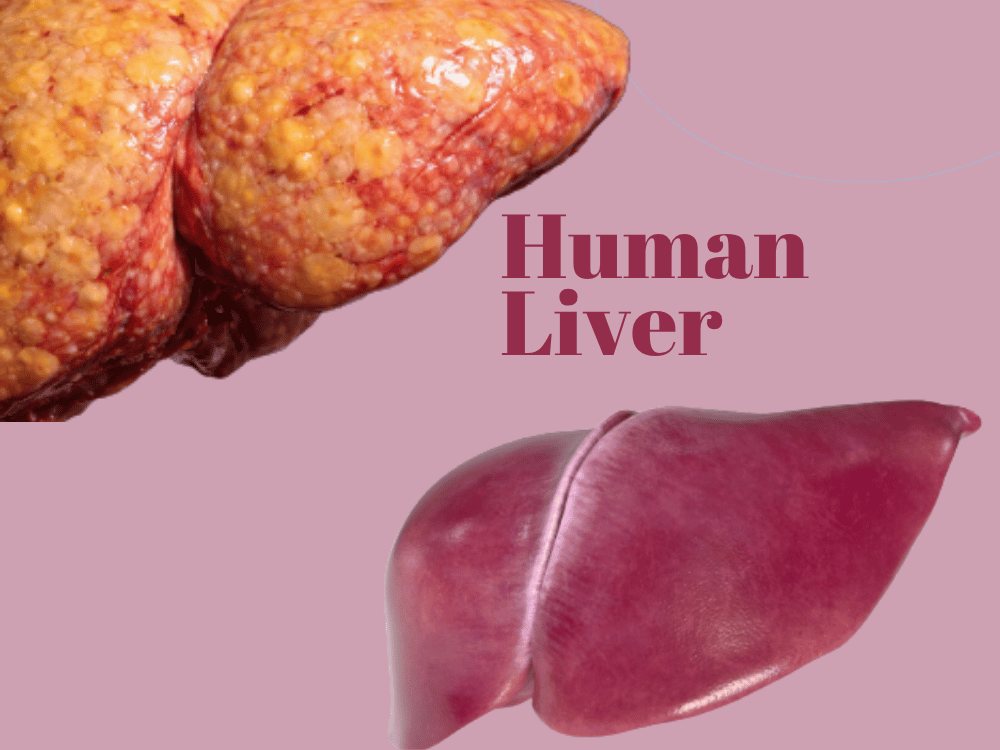
There is a very important liver in our body, which performs the function of making and cleaning blood in our body. It converts food into fluids that meet all the needs of our body. The liver is the largest gland in our body. It weighs one and a half kilograms.
Location and Structure of the Liver
It is located on the right side of the abdomen under the ribs and above the stomach. It consists of two parts called lobes. The right part is larger and the left part is slightly smaller, some of which reaches under the left ribs. The upper surface of the liver is round, while on the lower surface there are five cracks that divide the liver into five more small lobes. In one of these cracks is the gallbladder.
Production and Function of Bile
Bile is produced by the liver and stored in the gallbladder. It then reaches the duodenum along with pancreatic juice and helps in digesting the heavy parts of food. The liver produces bile continuously day and night. It is not like saliva or gastric juice that is secreted only when eating.
Role of Bile in Digestion
As mentioned, the liver has a major function in producing bile. When hungry, bile accumulates in the gallbladder, and during digestion, it is released and helps intestinal functions.
Bile dissolves fats in food and forms a thin syrup, making fats easier to digest with pancreatic juice.
Bile prevents food from rotting and reduces the formation of foul-smelling gas, which can cause pain and nausea.
Bile accelerates intestinal movement and helps food move forward, acting as a natural laxative.
When bile does not reach the intestines (as in jaundice), constipation occurs. If excessive bile enters the intestines, it may cause diarrhea and vomiting.
A small amount of bile is absorbed into the blood, helping regulate body temperature and prevent fever.
Formation and Storage of Glycogen
The second function of the liver is to make animal starch (glycogen). Food starch is converted into glucose in the intestines and reaches the liver through the blood. The liver converts glucose into glycogen and stores it. When needed, it converts glycogen back into sugar and releases it into the blood to provide energy and heat.
Formation of Urea
The third important function of the liver is the formation of urea. Protein components of food are digested into amino acids, which reach the liver through the blood. The liver processes these amino acids and converts waste nitrogen into urea, which is then excreted through the kidneys in urine.
Detoxification and Blood Purification
The liver destroys harmful substances with great care. It removes dead tissues and waste from the blood and prevents them from circulating back into the body. It also extracts useful components and stores them.
The liver destroys old red blood cells but stores their bile and iron. When needed, these are reused to form new red blood cells. In this way, the liver plays a key role in blood formation.
Role of the Liver Before Birth
This important factory for producing red and white blood cells is active even before birth in the fetus.
Storage of Fat in the Liver
In some animals and some humans, the liver also has the ability to store fat or grease. This fat proves useful in winter or during hibernation in animals.
Internal Secretions of the Liver
Experts have also found evidence that the liver produces a special internal secretion. This is an internal fluid that is not excreted through any duct but is produced within the liver and directly absorbed into the bloodstream. This internal secretion helps prevent the formation of malignant tumors or cancer in the body.
Liver as a Natural Filter (Detoxification Function)
The liver acts as a large sieve or filtration system for toxins. All the blood from the digestive tract and intestines first reaches the liver before being sent to the rest of the body. Harmful substances and impurities from the intestines mix with the blood, and when they reach the liver, it filters and removes them through bile. In this way, clean blood leaves the liver and circulates throughout the body.
Effects of Liver Weakness
When the liver becomes weak, it cannot effectively remove toxins from the blood. As a result, only a small amount of purified blood is produced, leading to increasing weakness in the body.
When serious diseases such as cholera and jaundice affect the body, they may also impact the spleen, reducing blood levels and causing severe weakness. If not treated in time, these conditions can worsen rapidly and damage the body.
Role of Honey in Liver Health
If honey is consumed daily in moderate amounts, it may help reduce the risk of such diseases. Even if illness occurs, honey plays a supportive role in recovery. It helps reduce weakness during jaundice, provides energy, and assists in restoring liver function. This helps maintain balance in the body and reduces overall weakness.
Ascites (Fluid Accumulation in the Abdomen)
In liver disease, fluid may accumulate in the abdomen, a condition commonly known as ascites. This condition occurs when liver function is impaired and blood formation slows down. Honey has traditionally been considered beneficial in helping manage this condition by addressing its underlying causes.
Simple Remedy for Ascites (Istisqa)
Take two and a half tolas of pure honey, dissolve it in half a glass of water, and drink it daily for some time. This simple remedy helps reduce abdominal fluid and gradually restores the stomach to its normal state.
Recipe for Strengthening the Liver
If you feel weakness in liver function or notice irregular blood flow, it may indicate a weakened liver. In such cases, take two and a half tolas of pure honey and mix it with one cup of cow’s milk. If milk is not suitable, honey can be taken alone.
This remedy helps strengthen the liver and improves overall body health. In cases of liver weakness, dark circles may also appear around the eyes, which can improve as liver function is restored.
An Effective Remedy for Jaundice
When a patient recovers from an illness or is affected by jaundice, many defects appear in the liver, causing the complexion to become dark or yellow. In such cases, sages recommend the use of nutritious food. Patients with liver weakness or damage should consume three tolas of pure honey daily. This remedy is highly beneficial and acts like an elixir for liver disorders.
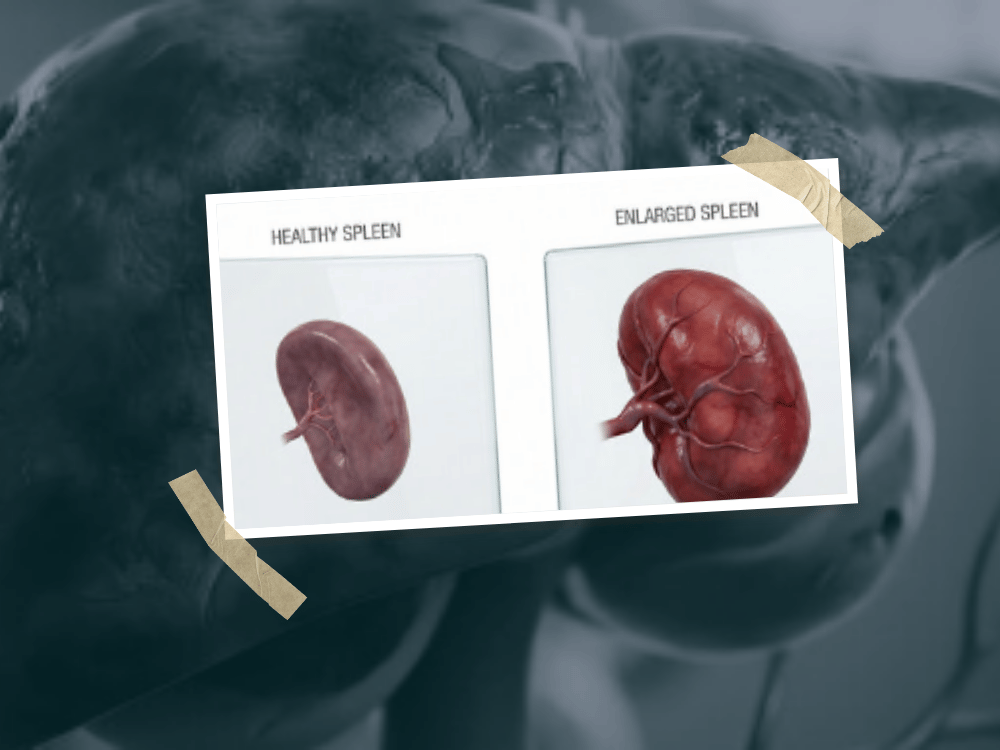
The Effect of Honey on an Enlarged Spleen
When the spleen becomes enlarged and pain becomes severe, a simple yet effective remedy can be used. Take two tolas of honey and mix it with one cup of camel milk and drink it. This should be taken morning and evening for forty days. With consistent use, the spleen may return to its normal size and condition.
Opening the Liver and Spleen Ducts
If the ducts of the liver and spleen become blocked and blood circulation is affected, immediate treatment is necessary.
Preparation: Grind one tola of pistachio kernels finely and mix them in pure honey. Use this mixture fresh after meals in the morning and evening. The quantity of honey should be balanced with the pistachio kernels.
Recipe for Treating Istisqay Tabli (Abdominal Condition)
Ingredients: One pinch of pure honey, six pinches of ginger, one pinch of saffron.
Preparation: Grind ginger finely and mix it with honey to form a paste. Add saffron, mix well, and store in a bottle.
Dosage: Take one tola twice daily (morning and evening). This remedy is beneficial for abdominal swelling and related conditions.
Recipe for Removing Liver Cirrhosis
Ingredients: Half a cup of pure honey, one tola of anise, one tola of star anise, one tola of melon seeds, one tola of melon pulp, three masha of saffron.
Preparation: Grind all ingredients except honey and saffron finely. Then mix them with honey and saffron thoroughly and store in a bottle.
Dosage: Take one tola in the morning and evening during illness. On normal days, half a tola may be used. This medicine helps reduce liver-related fever and improves liver function.
Excellent Remedy for Liver Swelling
Ingredients: One tola of pure honey, twelve tolas of gooseberry juice.
Preparation: Mix both ingredients well and store in a bottle.
Dosage: Take one tola in the morning and evening after meals during illness. This medicine should not be used on normal days. Regular use helps reduce liver swelling and restores normal liver function.
Simple Treatment for Liver Disease
Ingredients: One tola of cinnamon, twelve tolas of pure honey, six grams of Kashmiri saffron.
Preparation: Mix all ingredients thoroughly and store in a bottle.
Dosage: Take one tola in the morning and evening during illness. Avoid use on normal days. This remedy is highly beneficial for liver weakness and liver-related diseases.