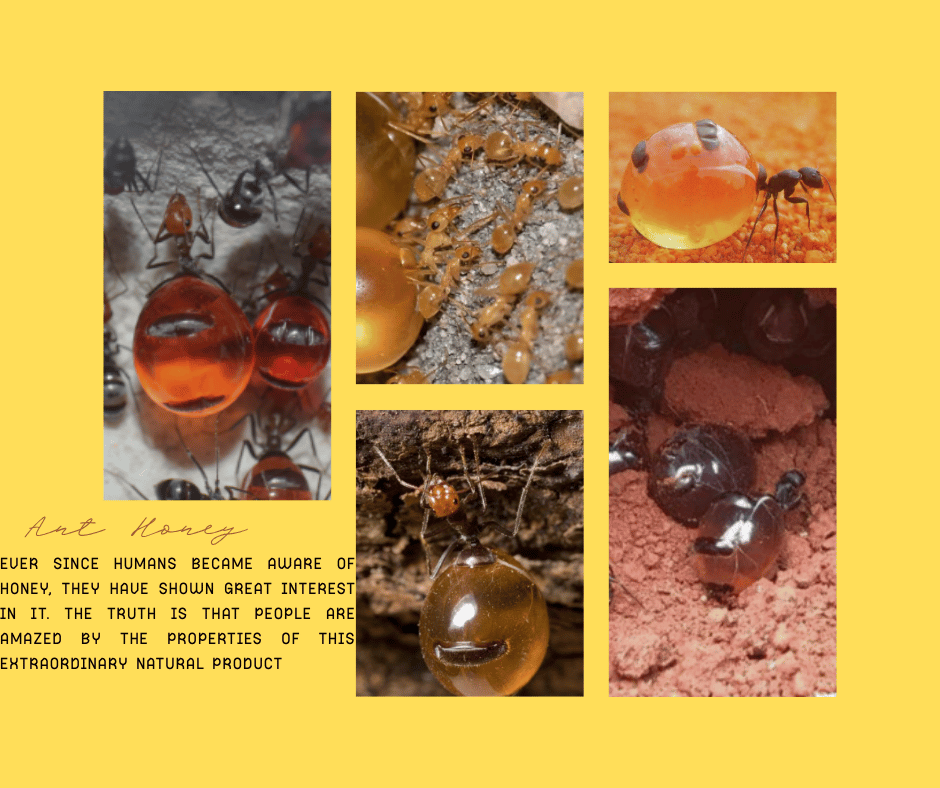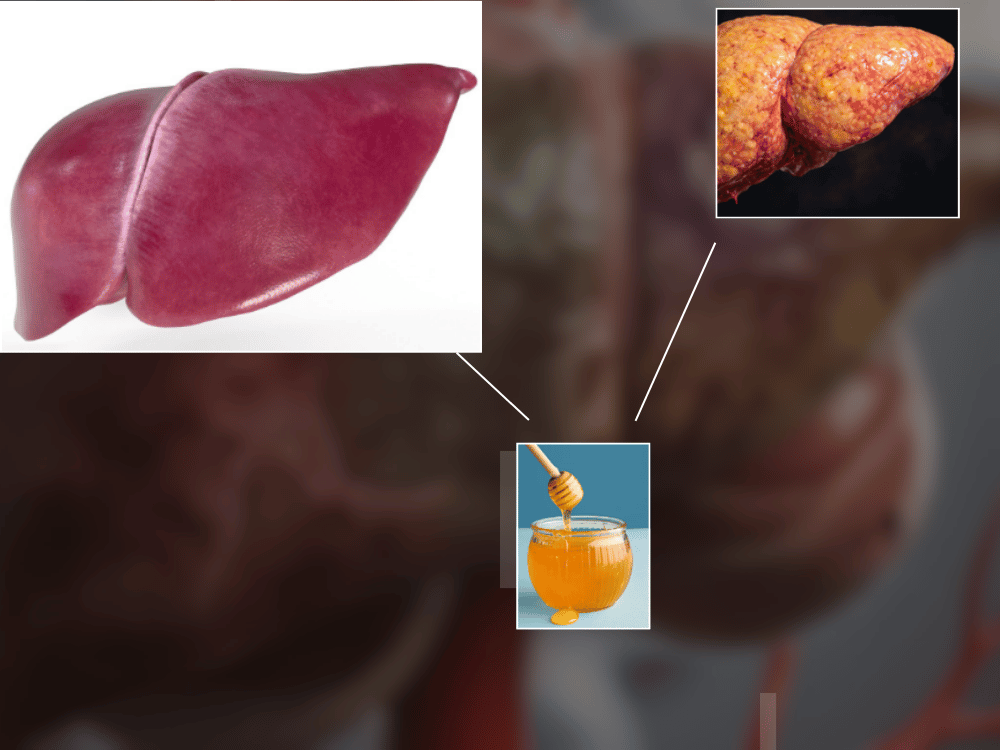




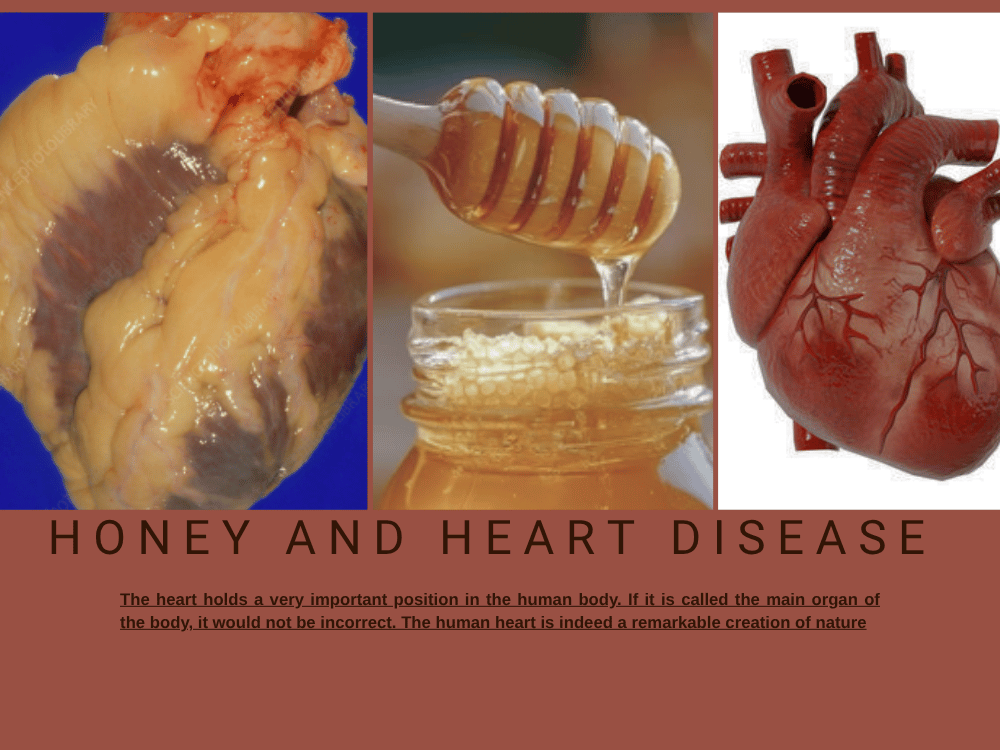
The heart holds a very important position in the human body. If it is called the main organ of the body, it would not be incorrect. The human heart is indeed a remarkable creation of nature. In appearance, it is a mass of flesh about the size of a fist, yet its functions are extremely powerful and continuous. It contracts and expands approximately seventy times per minute without error and continues to function throughout life until death.
Location and Structure of the Heart
The heart is located in the chest between the two lungs, enclosed within a double-membraned sac. It is slightly tilted toward the left side. Its shape is conical or pyramidal, with the broader portion at the top and slightly toward the right, while the lower pointed end is inclined toward the left.
The heart consists of two main parts: the right side and the left side. These two parts are separated by a wall or septum and are not directly connected. Each part further contains two chambers, known as the atrium and the ventricle. In this way, the heart has four chambers in total: two atria and two ventricles, all of which are involved in blood circulation.
Blood Circulation Process
These chambers contract and expand in a coordinated manner, allowing continuous blood circulation throughout the body. The heart functions as a pump that delivers blood to all parts of the body, thereby providing nourishment and oxygen.
When the atria expand, deoxygenated (used) blood from the body enters the right atrium, while oxygenated (clean) blood from the lungs fills the left atrium. When the ventricles contract, the right ventricle sends impure blood to the lungs for purification, while the left ventricle pumps clean blood to the rest of the body through the arteries.
Continuous Functioning of the Heart
This process of contraction and expansion continues throughout life. During expansion, the heart experiences a brief period of rest. Since the left side of the heart works harder to pump blood throughout the entire body, its muscular wall is thicker and stronger. Similarly, arteries, which carry blood away from the heart, are thicker and stronger than veins, which return blood to the heart.
It is truly astonishing that the heart, weighing only about ten ounces, performs such an efficient function in the body. It continuously pumps blood according to the body’s needs. It is estimated that in a human lifespan of fifty years, the heart pumps approximately twelve thousand tons of blood.
Role of Honey in Heart Health
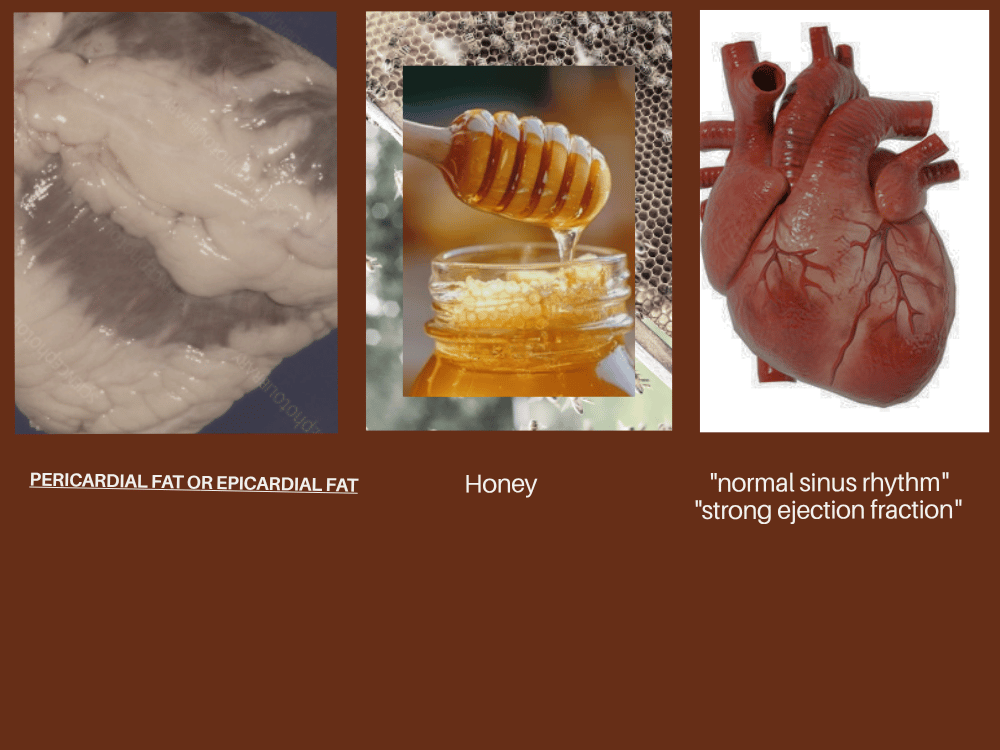
Among all foods, honey holds a special status in relation to heart health. In conditions where the heart system is disturbed, symptoms such as nervousness, anxiety, imbalance in temperament, and sometimes severe pain may arise. In such cases, the use of honey-based remedies can help alleviate these disorders and strengthen the heart.
If such remedies are used before the onset of disease, they may help control the causes of heart-related conditions and reduce the likelihood of disease occurrence.
Digestive Health and Its Impact on the Heart
Long-term illnesses often lead to weakness in the digestive system and reduced intestinal efficiency, which negatively affects liver function. As a result, the quality of nutrients reaching the heart may be compromised. In such situations, it becomes essential to provide the heart with energy-rich and easily digestible food.
Nutritional Importance of Honey
Honey effectively fulfills this need. It provides quick energy and is generally free from harmful effects when used appropriately. Research suggests that honey has a stimulating effect on the heart and may support its proper functioning more effectively than many other foods.
Honey and Its Role in Heart Health
Honey is a natural substance that requires minimal digestion. There is no need for complex chemical changes in the mouth, stomach, intestines, or liver. It is easily absorbed and quickly reaches the liver, where it becomes part of the bloodstream without difficulty. From there, it provides strength to the parts of the body that need it most.
Cardiologists suggest that the effectiveness of honey in relieving heart-related obstructions or disorders is difficult to match with any other food.
Simple Remedy for Heart Palpitations
If, for any reason, the heart feels restless, accompanied by discomfort, lethargy, excessive thirst, irregular heartbeat, nausea, or vomiting, the use of two spoons of pure honey can provide quick relief from these symptoms.
A Powerful Recipe for Soothing the Heart
Ingredients:
- Half a cup of pure honey
- One cup of sugar
- One cup of moong paste
- One cup of yasaba
- One cup of isaron
- One cup of ginger paste
- Three cups of saffron
Preparation:
Grind all the ingredients except honey and saffron into a fine paste using a mortar. Once thoroughly mixed, add honey and continue grinding until the mixture is fully blended. Then add saffron gradually while stirring continuously. When all ingredients are properly combined, store the preparation in a clean bottle.
Usage and Benefits:
This preparation promotes peace of mind, strengthens the heart, and produces a pleasant effect on the body. The normal dosage is up to four masha. In case of illness, it can be increased to nine masha if needed. Excessive use beyond this limit is not recommended.
Effective Treatment for Relieving Palpitations
Ingredients:
- Two tolas of white sugar
- Half a pao of rose water
- One tola of basil seeds
- Half a kilogram of honey
- One ratti of saffron
Preparation:
Mix all ingredients except honey and saffron thoroughly. Then place the mixture in a vessel, add honey, and cook over very low heat. Finely grinding the basil seeds enhances effectiveness. Continue heating until the rose water evaporates and the mixture thickens. Remove from heat, allow it to cool, and then add saffron. Store in a clean jar.
Usage and Benefits:
This preparation has a warming nature and should not be used more than twice daily. It helps regulate irregular heartbeat and reduces restlessness. The normal dosage is four masha, while in illness it may be increased to ten masha. It is advisable to reduce salt intake during treatment and avoid excessive sour foods, as they may negatively affect the bladder and liver.
Remedy for Heart Suffocation and Weakness
Ingredients:
- Dal sugar (four masha)
- Cloves (four masha)
- Manqia (four masha)
- Musk (three tolas)
- White plant (three tolas)
- Honey (one pao)
- Saffron (double quantity)
Preparation:
Grind all ingredients except honey and saffron into a fine powder. Add the mixture to honey along with saffron and mix thoroughly until completely dissolved. Store in a clean bottle.
Usage and Benefits:
This remedy is considered effective for various heart conditions. It provides relief in cases of fainting, unconsciousness, suffocation, dizziness, and shock. The normal dosage is about two grams, while in illness it can be increased to four to six grams.
Treatment for Phlegm and Heart Disorders
Ingredients:
- Red behmani (one tola)
- Sifta (one tola)
- Aqir Qarha (six masha)
- Nutmeg (six masha)
- Cinnamon (six masha)
- Honey (six tolas)
- Saffron (one ratti)
Preparation:
Mix all ingredients thoroughly and add honey to form a smooth preparation. Store in a clean bottle for use when needed.
Usage and Benefits:
This preparation is pleasant in taste and beneficial for strengthening the heart. It helps remove the effects of phlegm and wind. The normal dosage is three masha, which may be increased to five masha during illness. Taking it with grape juice enhances its beneficial effects.