



Introduction
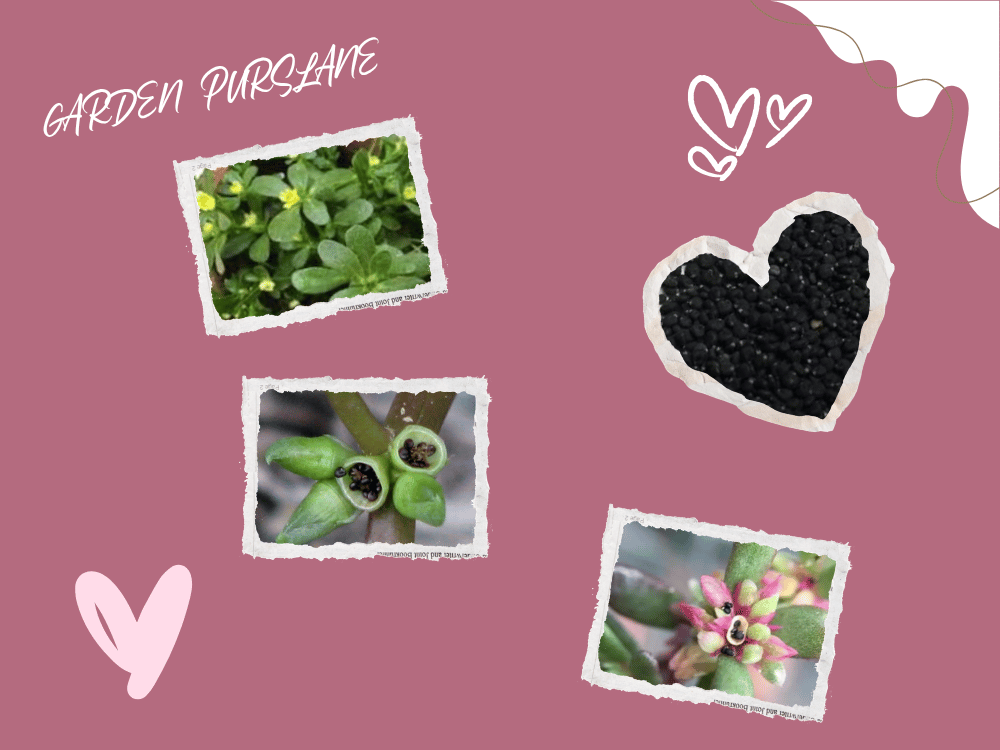
Garden purslane, commonly known as Khurfa, is a well-known herb whose leaves are widely used as food and medicine. It exists in two main types: a cultivated variety and a wild variety.
Botanical Description
Plant
- A small herb growing 3–12 inches in height
- Found commonly in fields, gardens, and waste places
- The larger variety grows in cultivated areas, while the smaller one grows wild, especially in the rainy season
Leaves
- Leaves are:
- Thick, fleshy, and smooth
- Round or slightly oval, about 1 inch long
- Reddish-green in the larger type
- Smaller variety:
- Leaves are narrower, pointed, and greenish
- Taste is slightly salty and sour
- Leaves may open for a few hours in the morning
Flowers
- Small and delicate
- Usually open in the morning for a short duration
Fruit (Pod)
- Round capsule
- Develops mainly in the winter season
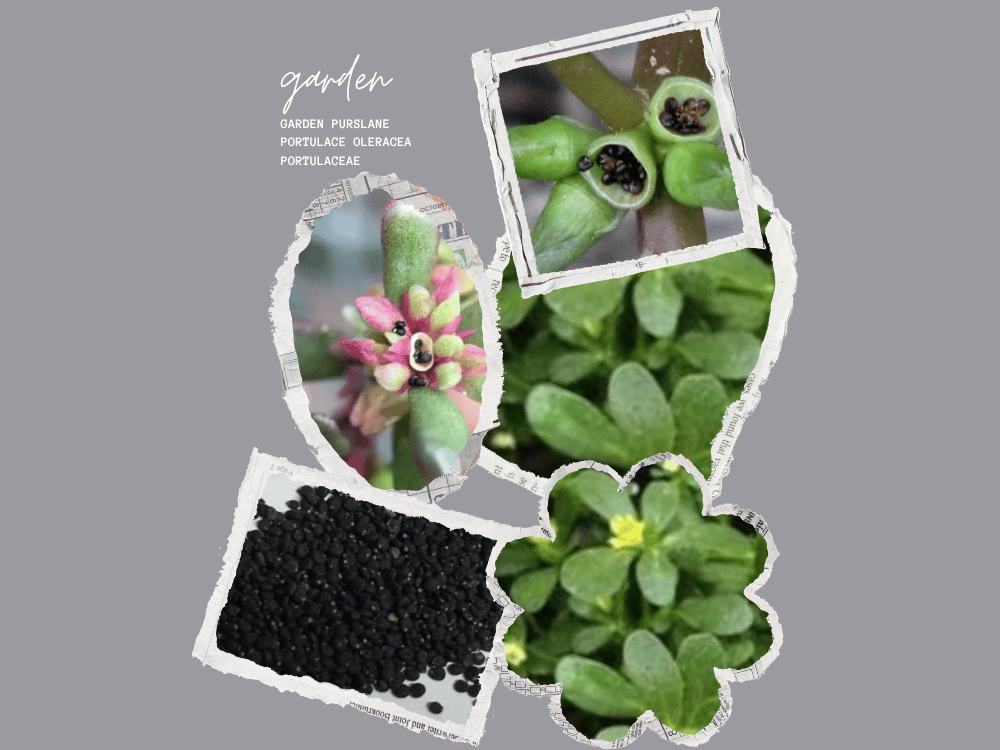
- Contains numerous small seeds
Seeds
- Initially white when unripe
- Turn dark brown or black when mature
- Small, smooth, and shiny
Root
- Thick variety:
- Root is about the thickness of a finger and ~8 inches long
- Small variety:
- Root is thin and about 6 inches long
Distribution (Place of Origin)
- Widely found in:
- Punjab (Pakistan and India)
- Uttar Pradesh (UP)
- Delhi
- Also abundant in Sri Lanka
- Wild variety grows in:
- Rainy season
- Ruins, gardens, and around cemeteries
Chemical Composition
- Potassium oxalate
- Mucilage (slimy substance) with sour and salty nature
Temperament (Unani System)
- Cold – Second Degree
Pharmacological Actions
External Actions
- Mucilaginous (Mulattif / Lubricant)
- Soothing and cooling effect
Internal Actions
- Mucilage (demulcent)
- Acts on:
- Liver
- Stomach
- Intestines
- Helps in:
- Constipation
- Diarrhea (in mild cases)
Medicinal Uses
Dietary Use
- Leaves are commonly cooked and eaten as vegetables saag
Internal Uses
- Due to its cooling and mucilaginous properties, it is useful in:
- Bilious fevers
- General fevers
- Urinary tract inflammation
- Disorders of the:
- Liver
- Stomach
- Intestines
- Acidity and heartburn
- Also considered helpful in:
- Scurvy
- Tuberculosis (supportive use)
External Uses
- Paste applied to:
- Relieve burning sensation in hands and feet
- Treat burns
- Reduce heat-induced swelling
- Alleviate headache
- Applied like henna (mehndi) for cooling effect
Other Uses
- Helps in controlling:
- Dysentery
- Bilious diarrhea
- Its water (decoction) is used for internal relief
Special Benefit
- Relieves excess bile (Safra)
Dosage
- Water (decoction): about 5 grams
Purslane Seeds (Khurfa Seeds)
Temperament (Unani System)
- Cold and Dry – Second Degree
Pharmacological Actions
- Cooling (Mubarrid)
- Demulcent (Mucilaginous)
- Soothing to the stomach and intestines
- Anti-inflammatory
- Helps reduce excess heat in the body (Safra and Dam)
Medicinal Uses
Gastrointestinal Uses
- Beneficial for:
- Stomach irritation
- Intestinal inflammation
- Acidity and heartburn
- Acts as a soothing agent for the digestive tract
Heat-Related Disorders
- Useful in hot diseases, such as:
- Excessive thirst (due to heat in blood)
- Bilious conditions (Safrawi disorders)
- Heat-related headaches
- Hot cough
Fever and Inflammation
- Helps in:
- Fever
- General body inflammation
- Provides a cooling and calming effect
Diarrhea
- Decoction of seeds is useful in:
- Hot diarrhea
- Irritation of intestines
Diabetes
- Boiled seeds act as a tonic for:
- Hot humors
- Stomach and intestines
- Traditionally considered helpful in diabetes management
Method of Use
- Seeds are usually:
- Boiled to prepare a decoction
- Taken for internal cooling and soothing effects
Dietary Benefits
- Strengthens and soothes the:
- Stomach
- Intestines
Dosage
- 3–7 grams, taken once or twice daily (or as prescribed)