



Introduction
Fagonia arabica is a small medicinal herb widely used in traditional systems such as Unani medicine. It is commonly found in dry and desert regions and is valued for its anti-inflammatory, expectorant, and blood-purifying properties.
Botanical Description
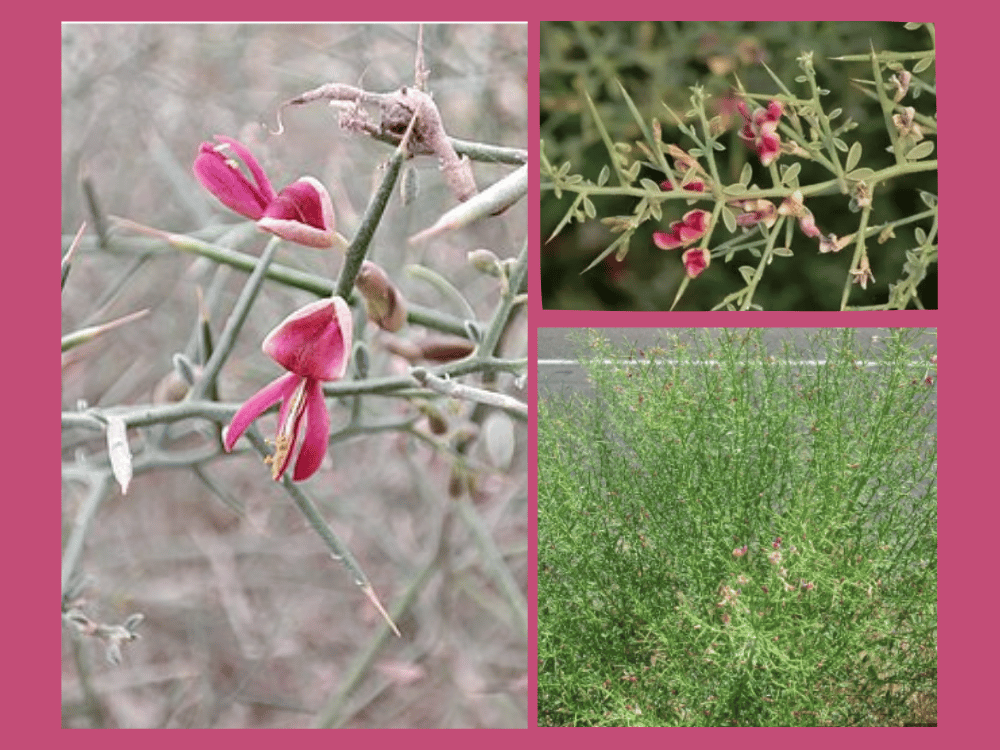
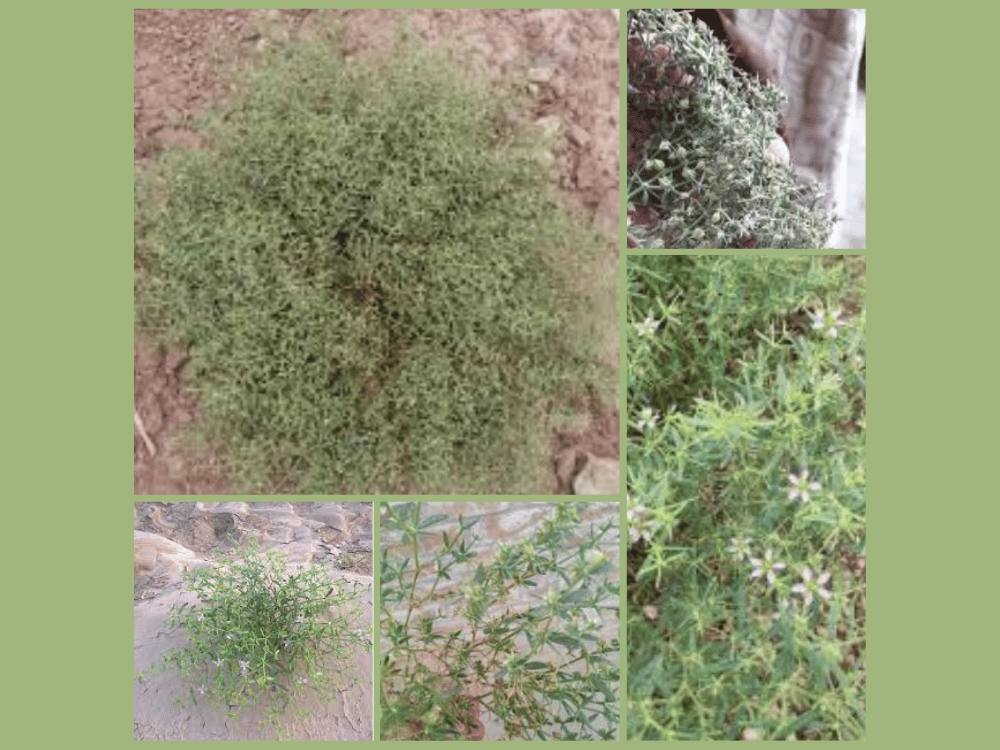
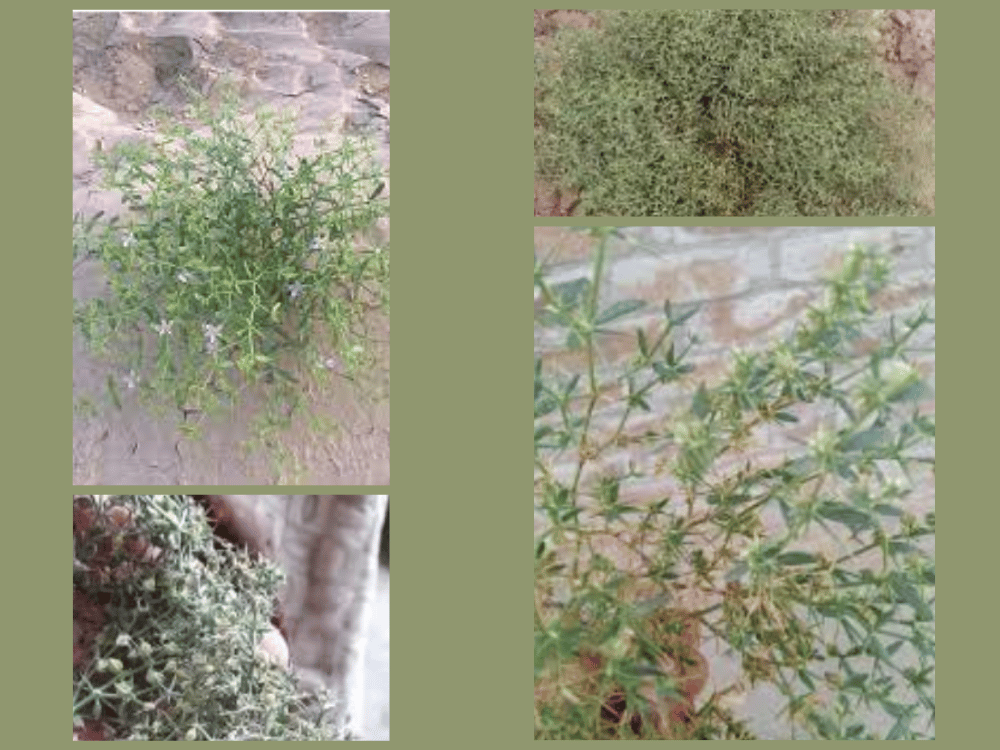
Fagonia is a pale green, highly branched herb, typically growing 1 to 2.5 feet in height.
Leaves
- Leaves resemble those of senna
- Small, healthy, and delicate
- Accompanied by striped thorns measuring 1–1.5 inches long
Flowers
- Flowers are light reddish in color
- Usually bloom during the winter season
Fruit
- The fruit is five-celled (capsular)
- Has a sharp thorn at the top
Root
- The root system is extensive and spreading, allowing the plant to survive in arid conditions
Geographical Distribution
Fagonia is commonly found in:
- Afghanistan
- Khorasan region
- Arabian Peninsula
- Southern India
It thrives in desert and semi-desert climates, which is why it is sometimes referred to as desert anise.
Temperament (Unani Concept)
- Hot in the second degree
- Dry in the third degree
- Some traditional scholars consider it cold in temperament
Pharmacological Actions
Fagonia exhibits multiple therapeutic properties:
- Astringent
- Anti-inflammatory
- Analgesic (pain-relieving)
- Expectorant (expels phlegm)
- Demulcent (soothing to tissues)
- Blood and bile purifier
Medicinal Uses
Respiratory Disorders
- Acts as an expectorant
- A decoction mixed with honey or sugar helps the following:
- Thin and expel phlegm
- Relieve cough and asthma
- In traditional use, it is sometimes combined with datura leaves and inhaled (with caution) to ease asthma symptoms
Hemorrhoids (Piles)
- Washing with its decoction helps the following:
- Reduce pain, swelling, and bleeding
- Applying a paste provides local relief
- Internal use (strained decoction) may help in treatment
Skin Conditions
- Its juice or paste is applied to:
- Boils and skin eruptions
- Helps in healing and reducing inflammation
Blood Disorders
- Helps in purifying blood and bile
- Traditionally used to reduce excess heat in blood
Digestive Effects
- Mild laxative action
- Helps regulate bowel movement (depending on preparation)
Special Notes
- Sometimes used with saffron to balance excess heat in the blood
- Traditional uses should be followed under expert supervision, especially when combined with strong herbs like datura
Dosage
- Decoction: 3–5 grams
- Leaf juice: Approximately 2 grams
(Always use under guidance of a qualified practitioner.)