



Introduction
Orosa, commonly known as Vasaka, is a highly valued medicinal plant widely used in traditional Ayurvedic and Unani medicine. It is known for its powerful effects on respiratory health, blood purification, and infection control.
The plant typically grows between 4 and 10 feet tall, although in some regions it may develop into a small tree reaching up to 20 feet. It is commonly found in ruins, gardens, graveyards, and hilly areas.
Distribution and Habitat
Orosa is widely distributed across:
- India (Punjab, Delhi, Uttar Pradesh, Bengal, Himalayan foothills)
- Pakistan (Jhelum, Kashmir)
It thrives in both cultivated and wild environments.
Types of Orosa
There are two main types:
- Black Orosa—Dark-colored leaves and flowers
- White Orosa – Whitish leaves with white flowers (more commonly used medicinally)
Botanical Description
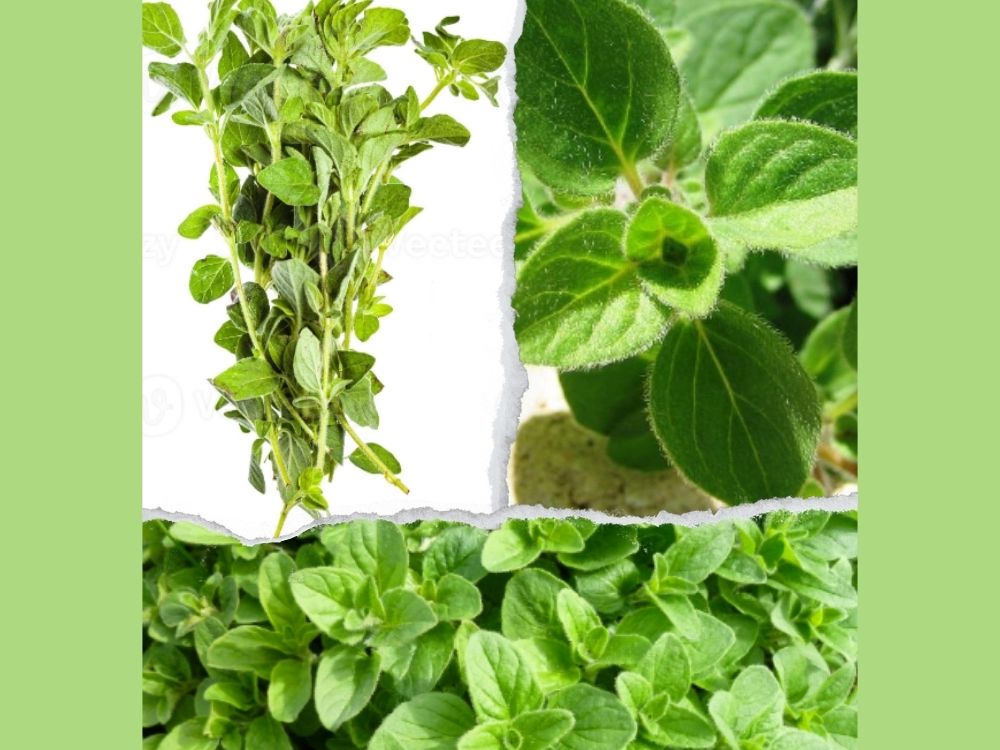
Leaves
- Similar to mango leaves
- Length: 10–20 cm (4–8 inches)
- Width: 6–9 cm (2.5–3.5 inches)
- Shape: Pointed and smooth
- Possess a distinct, strong aroma
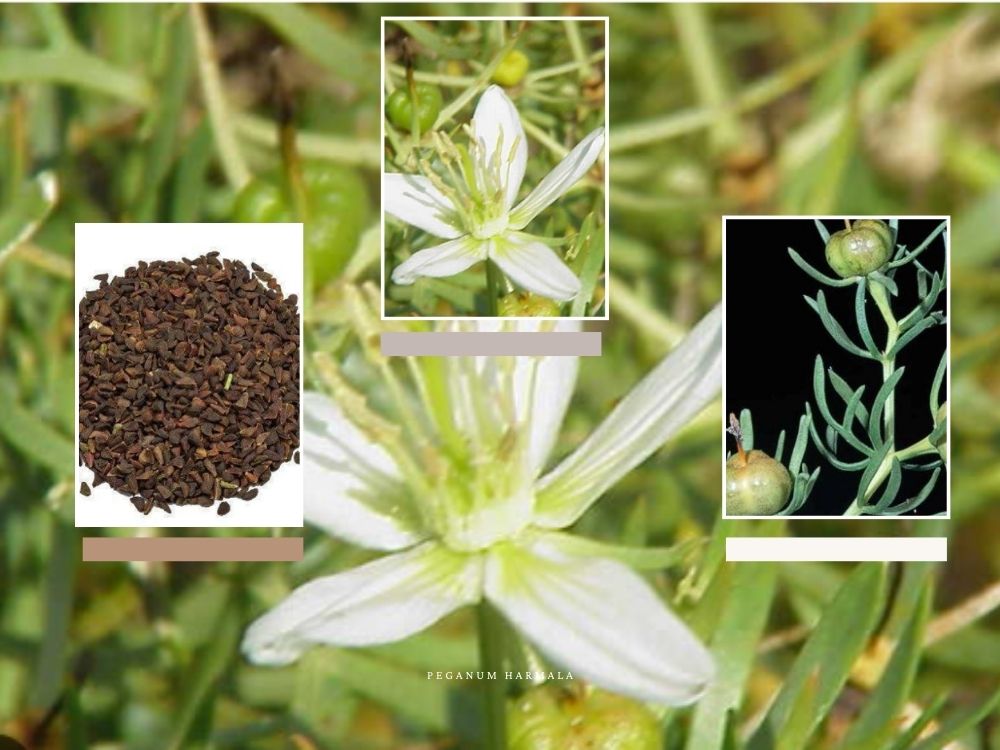
Flowers
- Color: White or bluish
- Shape: Resemble a lion’s open mouth
- Blooming seasons: Spring and early winter (twice a year)
- Contain honey-like nectar, attracting bees
Fruit and Seeds
- About 2–3 cm long
- Slightly thick at the front and sticky at the back
- Split into two parts
- Contain black seeds inside
Chemical Composition
Orosa contains several active compounds, including
- Resin-like substances (similar to acacia)
- Ammonia-like compounds
- Natural gums
- Salts and sugars
These contribute to its medicinal properties.
Temperament (Taseer)
- Hot and Dry (1st Degree)
Key Medicinal Properties
Orosa is known for the following actions:
- Anti-fever (antipyretic)
- Anti-worm (anthelmintic)
- Expectorant
- Anti-inflammatory
- Antibacterial
- Blood purifier
- Astringent
- Mild laxative
Top Health Benefits of Orosa
1. Orosa for Respiratory Health
Orosa is especially effective in treating:
- Asthma
- Cough and cold
- Sore throat
- Phlegm accumulation
- Whooping cough
Its expectorant and soothing properties help clear airways and reduce inflammation.
2. Orosa for Infections and Skin Diseases
Due to its antimicrobial properties, it is used in:
- Scabies
- Boils
- Skin infections
- Chronic conditions like leprosy (traditional use)
- Typhoid support (traditional use)
3. Orosa for Blood Purification and Bleeding Disorders
Orosa has strong astringent effects, making it useful for:
- Bleeding from the mouth
- Hemorrhage
- Wound healing
Its sap can be applied to fresh wounds to stop bleeding quickly.
4. Orosa for Digestive and Intestinal Health
- Acts as a worm expeller
- Helps cleanse the digestive tract
- Supports mild bowel regulation
5. Orosa for Women’s Health
- Leaf sap acts as a uterine stimulant
- Helps regulate menstrual flow
- Traditionally used for abnormal discharge
6. Orosa for Kidney and Bladder Health
- Helps break down phosphate stones
- Supports urinary function
External Uses of Orosa
- Leaf paste applied with butter may help relieve eye discomfort
- Sap applied to wounds helps stop bleeding
- Oil preparations may be used for certain traditional treatments.
Traditional and Famous Preparations
Orosa is widely used in classical formulations, including:
- Bansa Avaleha (Ayurvedic preparation)
- Sharbat Vasaka (herbal syrup)
These are commonly used for respiratory conditions.