



Nature & Description
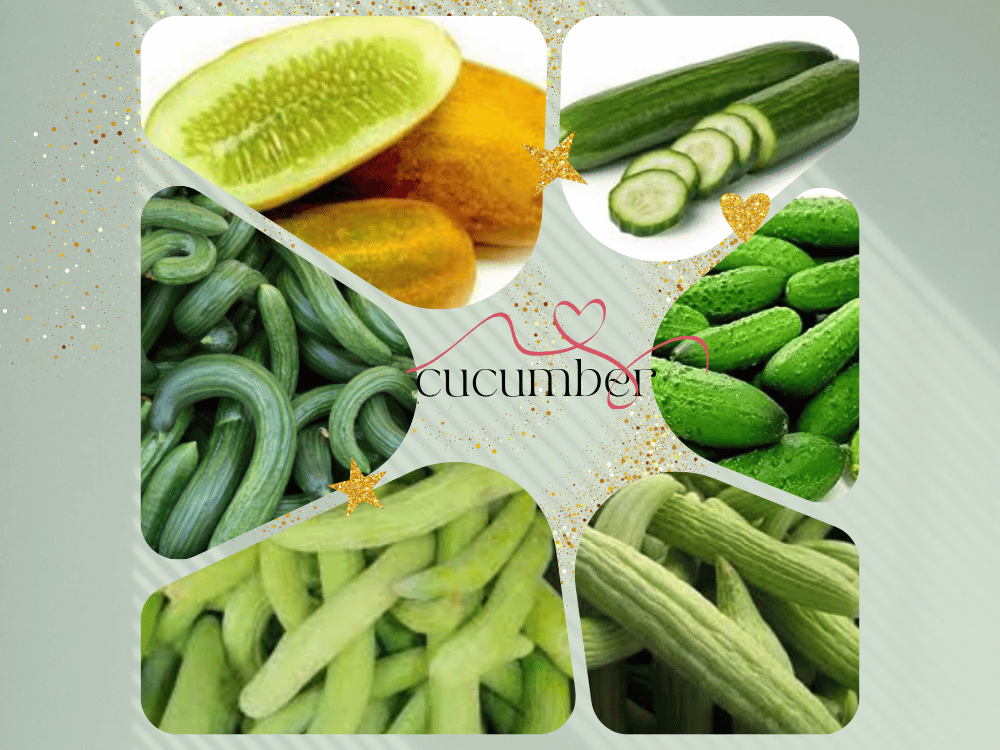
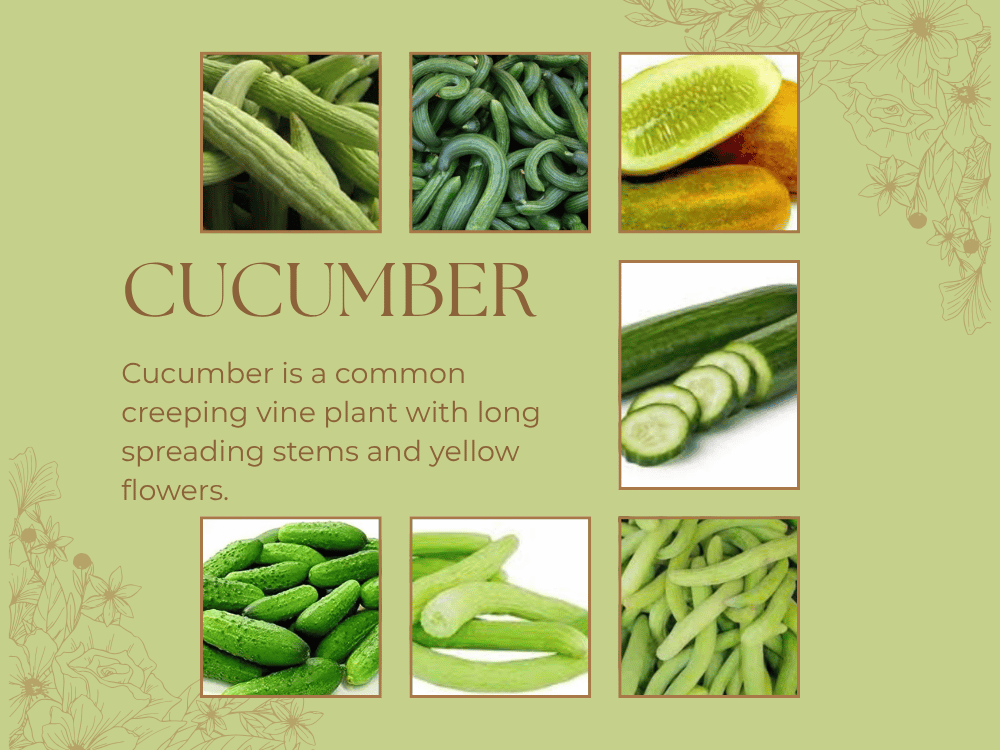
Cucumber is a common creeping vine plant with long spreading stems and yellow flowers.
There are two types:
- Sweet cucumber – edible even when raw
- Bitter cucumber – bitter when unripe but becomes sweet on ripening
It is usually cultivated in Phagan and Chet.
Fruit
- Available in Baisakh and Jeeth
- Long (sometimes up to half a yard), cylindrical and striped
- Eaten raw and refreshing
- Contains white elongated seeds when mature
Chemical Composition
- Water → ~92.4%
- Also contains:
- Protein
- Carbohydrates
- Calcium
- Phosphorus
- Iron
- Vitamins A & C
- Trace minerals (iodine)
Temperament (Mizaj)
- Cold and moist (Second degree)
Functions (Actions)
- Reduces heat of blood and bile
- Quenches thirst
- Mild diuretic (increases urine flow)
- Supports:
- Urinary tract
- Kidneys
- Bladder
- Helps in kidney stones
Uses
- Beneficial for hot temperaments
- Reduces internal heat and burning sensation
- Improves urine flow
- Paste (poultice) applied on forehead helps in:
- Hot headaches
- Eating with salt and black pepper improves digestion
- Traditionally used in:
- Tuberculosis (as juice)
Special Benefit
- Reduces heat of blood and bile
Dosage
- As much as easily digested (taken as food)
Cucumber Seeds / Snake Cucumber Seeds
Temperament
- Cold (Second degree, stronger cooling)
Actions
- Reduces heat of:
- Blood
- Bile
- Phlegm
- Thirst quencher
- Diuretic
- Mild astringent
Uses
- Helpful in:
- Hot fevers
- Heat of liver and stomach
- Applied externally:
- Improves skin complexion
- Removes blemishes
- Traditionally used for:
- Menstrual and uterine regulation (Motherwort effect)
Special Benefit
- Acts on uterus (Mudirr-e-Haiz effect in Unani)
Dosage
- 5–7 grams
Key Points
- Botanical name: Cucumis sativus
- Fruit may be round or elongated (shorter than some varieties)
- Seeds contain:
- Non-volatile oil
- Mild sedative (sleep-inducing) effect