



Introduction
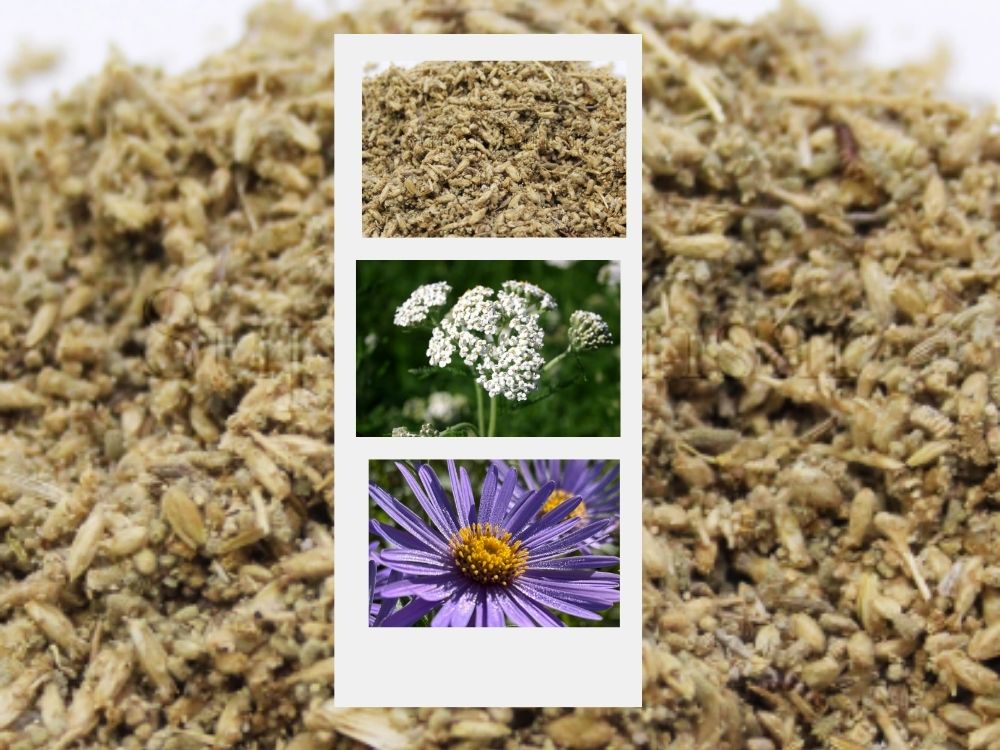
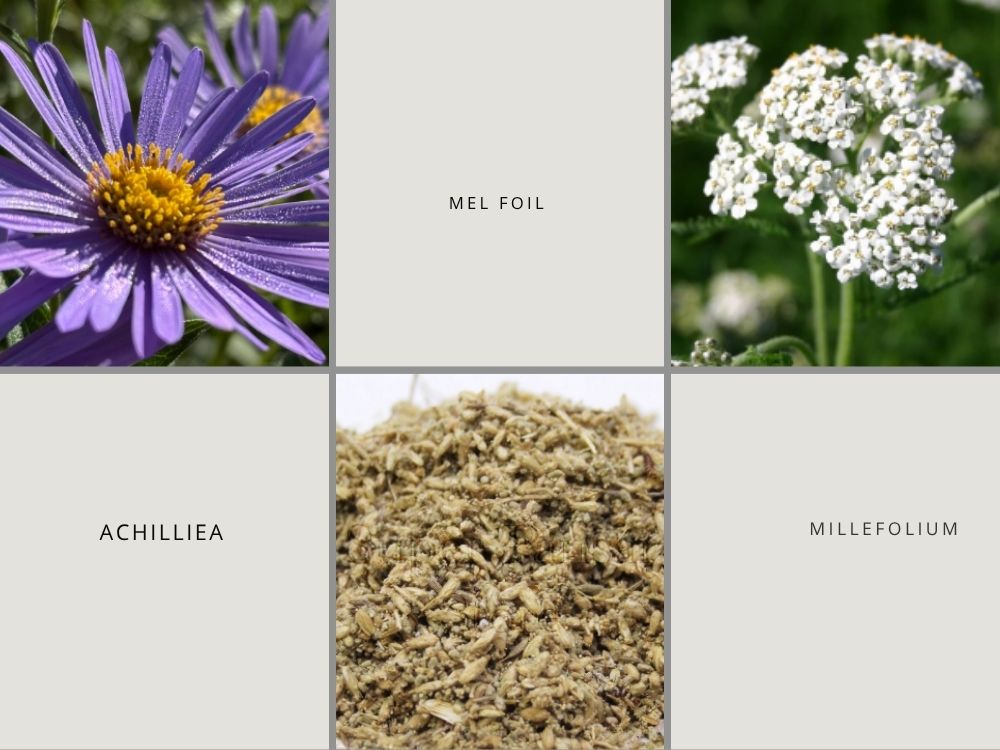
Baranjasaf is a traditional Unani and herbal name commonly associated with yarrow (Achillea millefolium). It is a well-known medicinal herb valued for its anti-inflammatory, antipyretic, and detoxifying properties, especially in urinary and reproductive health.
Botanical Characteristics
- Plant Structure: Baranjasaf is a herbaceous plant with a height of about half a yard. Its stem is slender, and the branches are thin and delicate.
- Leaves: The leaves are finely divided into small segments, resembling the tip of a spear. They give the plant a feathery appearance. A slight sticky substance may be present on the branches.
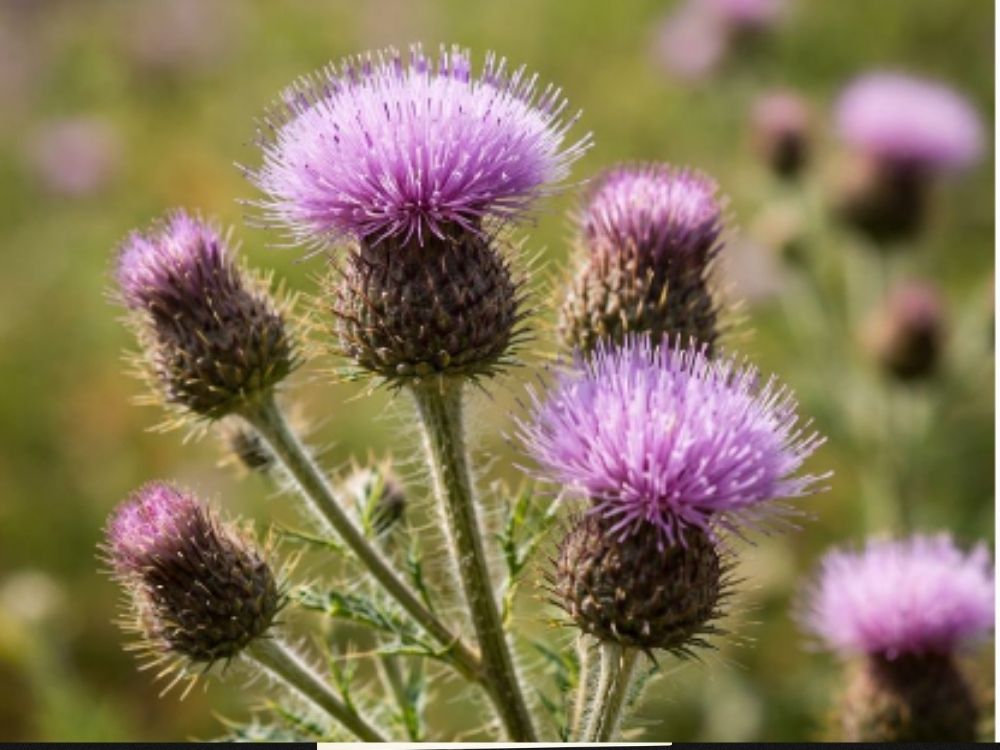
- Flowers: The flowers grow in small, umbrella-like clusters. They may appear in white, yellow, or bluish shades and are slightly rounded. The fragrance is similar to chamomile.
Types
Baranjasaf is said to have two types, often referred to as male and female varieties, though both share similar medicinal benefits.
There is some difference of opinion among herbalists:
- Some consider Qaesum (or Qaenum) a type of Baranjasaf
- Others regard it as a separate herb
Habitat and Distribution
This herb is commonly found in:
- Himalayan foothills (Kashmir, Kangra, Nainital)
- Dehradun and surrounding regions
It typically grows:
- Along riverbanks
- In green hilly areas
- In shady forests
Chemical Composition
Baranjasaf contains:
- Volatile oil (dark green or bluish in color)
- Achillein (a pungent active compound)
These components contribute to its therapeutic properties.
Temperament (Traditional View)
- Generally considered moderately warm and soothing in nature
Pharmacological Properties
- Antipyretic (reduces fever)
- Anti-inflammatory
- Diuretic and detoxifying
- Purgative (mild cleansing action)
- Soothing and relaxing
Medicinal Uses
- Urinary Disorders: Helps in urinary tract infections and urinary retention and promotes urine purification.
- Kidney Stones: Traditionally used to help dissolve and expel kidney stones.
- Reproductive Health: Supports menstrual flow and is used to aid uterine contractions when needed.
- Fever and Liver Conditions: Beneficial in fever associated with liver disorders.
- Digestive and Detox Support: Its mild purgative action helps in cleansing the body.
- Neurological and General Uses: Helpful in fainting, colds, and even paralysis in traditional use.
- Insect Repellent: The leaves can be spread or burned indoors to repel poisonous insects.
Harmful Effects
- May be harmful for the kidneys if used excessively or without proper guidance.
Correctives (Musleh)
- Anise (Saunf)
- Poppy seeds
These are used to balance its effects in traditional formulations.
Substitutes
- In some traditional contexts, it is replaced with alternatives used in liver-related conditions.
Dosage
- Safuf (powder): About one tola
- Often boiled with approximately 7 grams of the herb for decoction
Note: Always use under the supervision of a qualified herbal practitioner.