



Introduction
Ajmod, commonly known as celery, is a valuable medicinal herb widely used in traditional healing systems. It belongs to the same family as parsley and shares many of its characteristics. The plant is especially prized for its seeds and roots, which offer numerous health benefits.
Plant Description
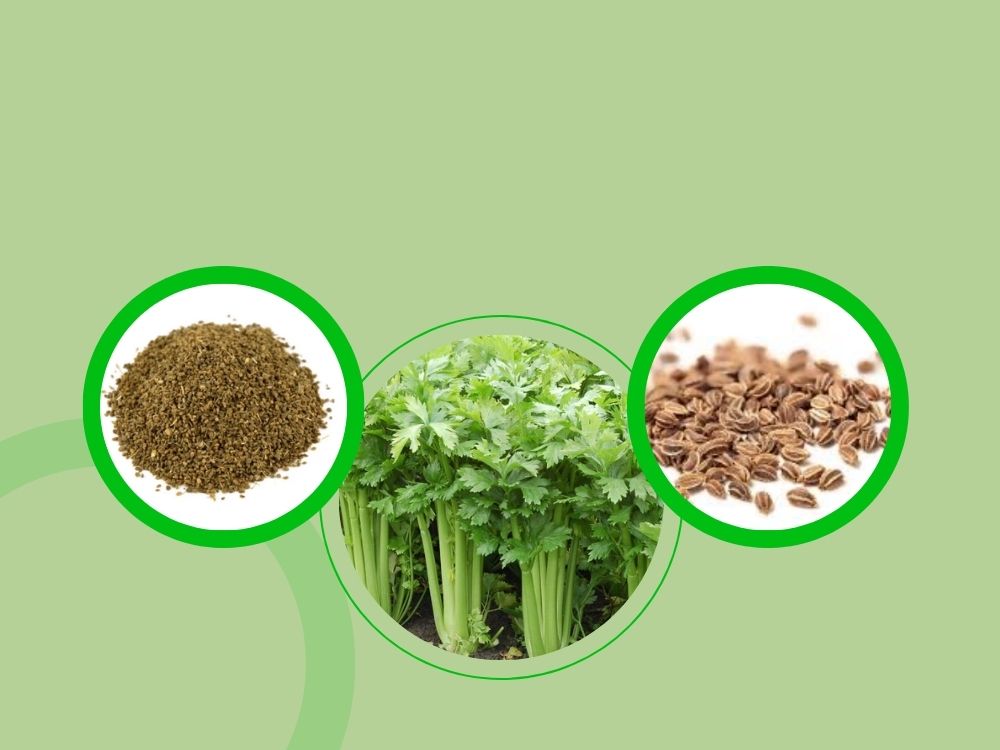
Ajmod resembles the common celery plant and typically grows to a height of 1 to 3 feet. Its leaves are soft, green, and divided into multiple lobes, giving them a delicate and feathery appearance.
Flowers and Seeds
The plant produces small white flowers arranged in large umbrella-shaped clusters. Seeds develop beneath these flowers, and once fully ripened, they are often referred to as parsley seeds.
Ajmod is usually sown in September or October and grows well in hilly regions, particularly in Punjab and Bengal. It can also reproduce through self-seeding.
Chemical Composition
Ajmod contains several important compounds that contribute to its medicinal value:
- Small amount of camphor
- Slightly toxic volatile oil
- Sulfur compounds
- Alyssum-like substances
- Mucilage (gel-like substance)
- Natural salts
Temperament
According to traditional Unani medicine:
- Ajmod has a hot and dry temperament (second degree).
This makes it especially useful for treating cold and phlegmatic conditions.
Medicinal Actions
Ajmod exhibits a wide range of therapeutic actions:
- Antipyretic (reduces fever)
- Appetite stimulant
- Carminative (relieves gas)
- Diuretic (promotes urination)
- Lithotriptic (helps break bladder stones)
- Anti-parasitic (kills intestinal worms)
- Antispasmodic (relieves hiccups and spasms)
Uses and Health Benefits
Digestive Health
- Stimulates appetite
- Helps stop vomiting
- Relieves hiccups
- Eliminates intestinal worms
Respiratory Conditions
- Useful in phlegmatic diseases, such as cough
- Helps reduce chest congestion
Urinary and Reproductive Health
- Promotes urination
- Helps break bladder stones
- Assists in regulating menstruation
Pain and Inflammation
- Beneficial in gout
- Relieves back pain
- Helps reduce internal inflammation
Liver and Gas Relief
- Supports liver function
- Helps expel trapped gas (wind)
Special Note on Use
Ajmod has strong effects on the reproductive system:
- Its roots and seeds may stimulate menstruation
- In certain preparations, it may induce abortion
Therefore, it should be used with extreme caution, especially during pregnancy.
Disadvantages and Side Effects
- Should not be used in epilepsy, as it may trigger seizures
- Contains mildly toxic oils, so excessive use should be avoided
Dosage
- Seeds: 3 to 5 grams
- Fresh celery stalks: 5 to 7 pieces
Use under proper guidance when taken for medicinal purposes.
Common Preparations (Compounds)
Ajmod is included in various traditional formulations, such as the following:
- Herbal pastes (e.g., Al-Alas paste, Jalali paste)
- Non-alcoholic gels
- Powder mixtures like Sufouf
- Extracts such as clove-based preparations
Special Benefit
Ajmod is particularly beneficial for individuals with the following:
- Cold and phlegmatic temperaments
It helps restore balance by warming the body and improving metabolism.