



Introduction
Cinnamomum zeylanicum, commonly known as True Cinnamon or Ceylon Cinnamon, is one of the most valued aromatic plants in the world. It is widely used as a spice, flavoring agent, and medicinal herb in traditional systems of medicine such as Ayurveda and Unani medicine.
The tree is famous for its fragrant inner bark, which is dried and rolled into the well-known cinnamon sticks used in cooking and herbal remedies. Due to its pleasant aroma and therapeutic properties, cinnamon has remained an important medicinal and culinary ingredient for centuries.
Botanical Description
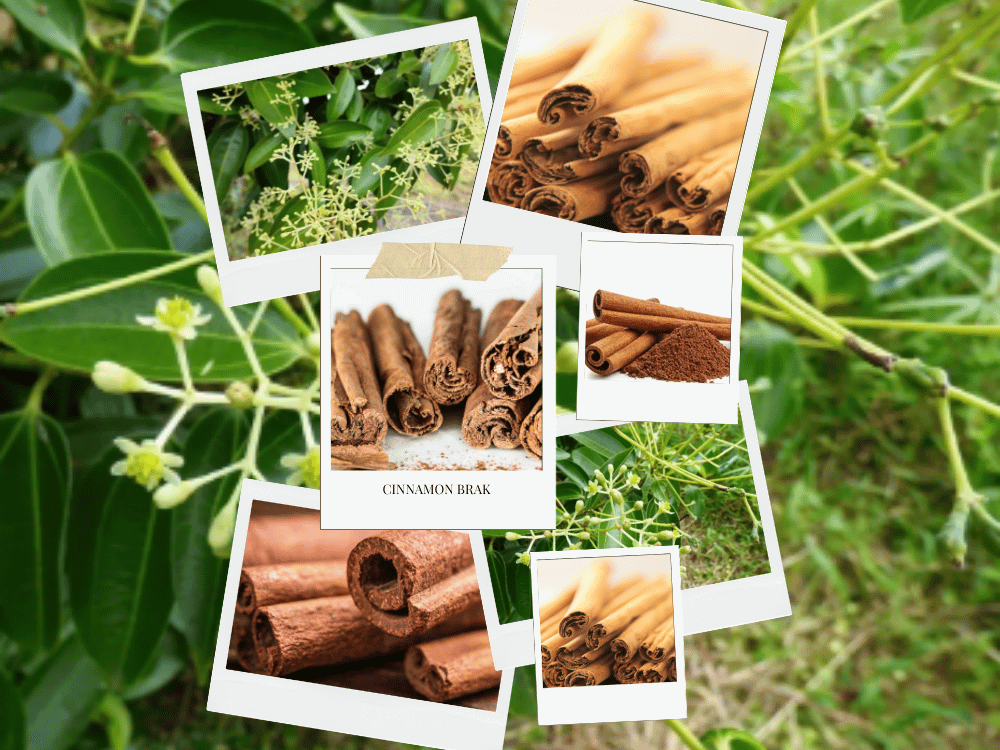
Cinnamomum zeylanicum is a medium-sized evergreen tree. It is slightly larger than the bay leaf tree and remains green throughout the year.
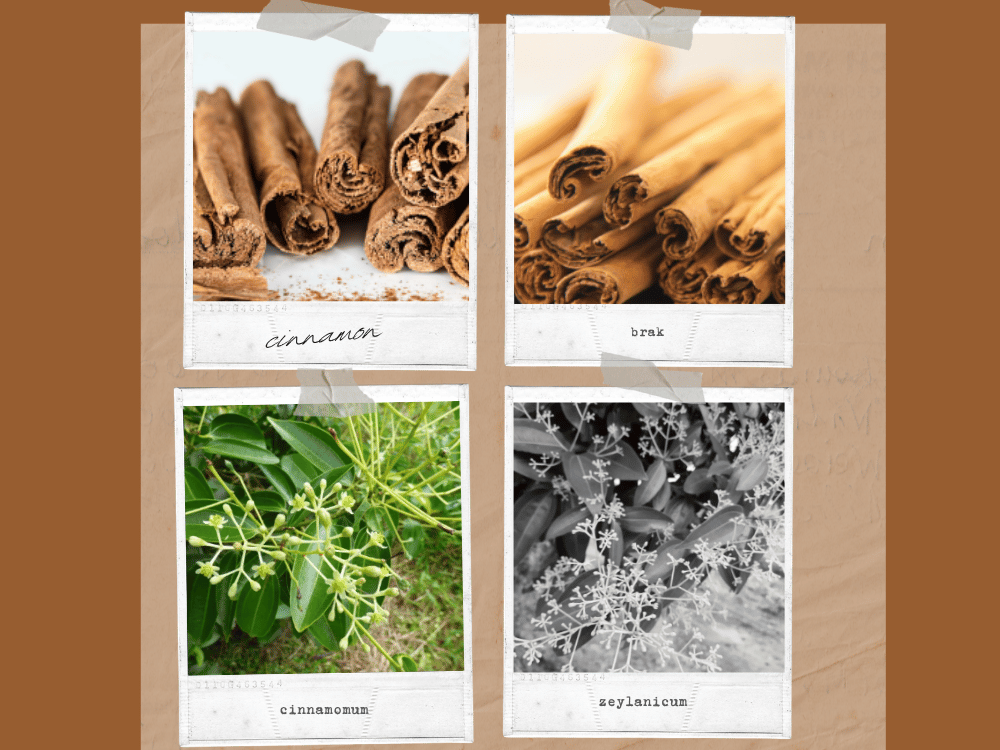
The outer bark of the tree is reddish-brown in color, while the inner bark is thin, yellowish, and highly fragrant. This aromatic inner bark is commonly known as cinnamon bark.
The bark naturally curls into thin layers when dried, forming the familiar rolled cinnamon quills.
Leaves
The leaves of the cinnamon tree are:
- Stalked and smooth
- Four to eight inches long
- Two to three inches wide
- Pointed at the tip like a spear
A distinctive feature of the leaves is the presence of four to five prominent longitudinal veins running from the base to the tip.
The leaves are leathery, glossy, and aromatic when crushed.
Flowers
During the spring season, the tree produces small fragrant flowers that are:
- Grayish-white or creamy white in color
- Mildly fragrant
- Arranged in clusters
Although the flowers are not as commercially important as the bark, they contribute to the plant’s aromatic nature.
Fruits
The fruits of the cinnamon tree are:
- Small and round
- Similar in appearance to berries
- Purple or eggplant-colored when ripe
These fruits contain seeds used for propagation.
Place of Origin and Cultivation
Cinnamomum zeylanicum is native to South Asia and tropical regions. Traditionally, it has been cultivated in:
- Sri Lanka (Ceylon)
- Southern India
- Malabar region
- Deccan India
- Java
- Sumatra
- China
- Cochin regions
Sri Lanka is especially famous for producing the finest quality cinnamon in the world.
Characteristics of Cinnamon Bark
The medicinal and commercial part of the tree is its inner bark. High-quality cinnamon bark appears as:
- Thin, tightly rolled quills
- Three and a half to eight inches in length
- Light brown or almond-colored externally
- Smooth with fine dots and wavy lines
The inner surface is darker and highly aromatic.
The taste of cinnamon bark is:
- Sweet
- Warm
- Pleasantly spicy
Its fragrance is strong, sweet, and characteristic.
Chemical Constituents
Cinnamon bark contains several important active compounds, including:
- Volatile oil
- Tannins
- Mucilage
- Natural sugars
- Gum substances
The volatile oil, especially cinnamaldehyde, is responsible for the characteristic aroma and many medicinal properties of cinnamon.
Traditional Importance
In traditional medicine, cinnamon has been valued for its warming, digestive, and strengthening effects. It has been widely used in herbal preparations for improving digestion, circulation, respiratory health, and general vitality.
Because of its pleasant flavor and medicinal qualities, cinnamon remains one of the most important spices used worldwide.