



Introduction
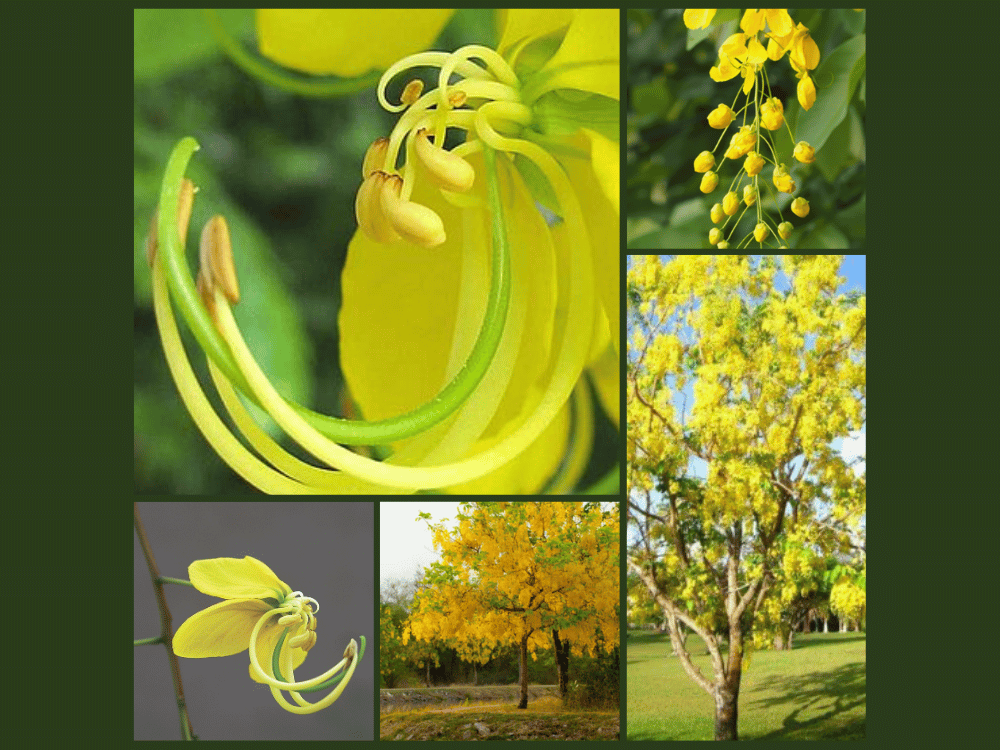
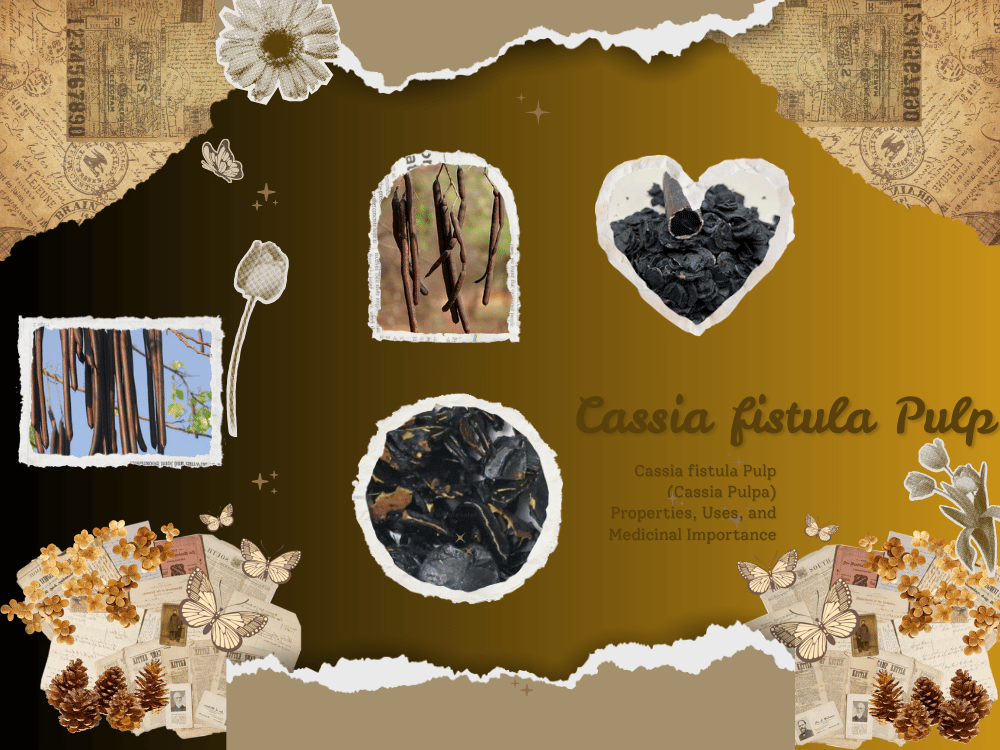
The pulp obtained from the pods of Cassia fistula is commonly known as Cassia Pulpa or Pulp of Amaltas. It is a thick, black, sweet-tasting substance found inside the mature pods of the tree. Traditionally, this pulp has been highly valued in Unani and Ayurvedic medicine for its mild laxative and cleansing properties.
The pulp has a characteristic unpleasant odor, but despite this, it has been widely used for centuries in the treatment of constipation, liver disorders, respiratory diseases, and inflammatory conditions.
Origin and Distribution
Cassia fistula is native to the Indian subcontinent and has been known since ancient times. References to the plant are found in early Ayurvedic and Vedic literature. Ancient Greek physicians were initially unfamiliar with the plant, but knowledge of it later spread to the West through Arab scholars and traders.
Today, the plant is commonly found in:
- Pakistan
- India
- The West Indies
- Brazil
- Tropical regions of Africa
It thrives in warm and tropical climates.
Physical Characteristics
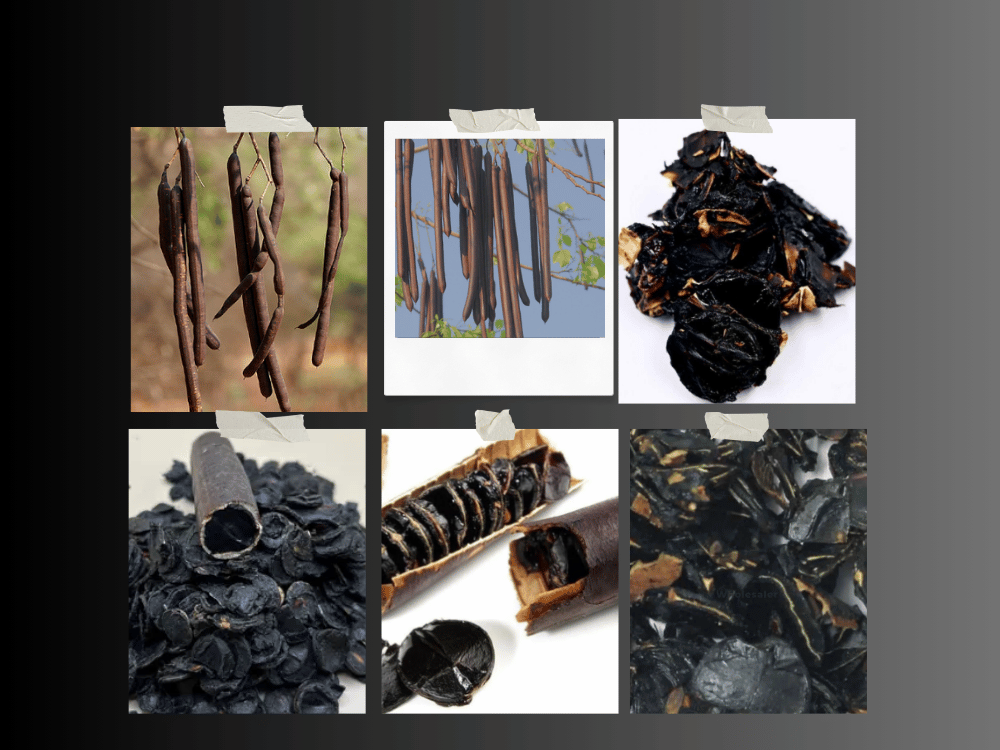
Cassia pulp is:
- Thick and black in color
- Sweet in taste
- Soft and sticky in texture
- Found inside the long cylindrical pods of the tree
The pulp surrounds numerous seeds arranged in separate compartments inside the pod. Although the pulp is the main medicinal part, the outer peel and bark are also used in traditional medicine.
Chemical Composition
Traditional and modern studies indicate that Cassia pulp contains several important substances, including:
- Cathartic acid
- Natural sugars (approximately 50%)
- Pectin
- Mucilage
- Gluten-like substances
- Calcium oxalate
These components contribute to its laxative, soothing, and cleansing properties.
Temperament in Unani Medicine
According to Unani medicine, Cassia pulp possesses the following temperament:
- Hot in the first degree
It is considered mild and generally safe when used appropriately.
Medicinal Properties
Traditional physicians described Cassia pulp as having the following actions:
- Mild laxative
- Chest cleanser
- Solvent of impurities
- Slightly astringent
- Expectorant
Because of its gentle action, it was often prescribed for children, elderly patients, and pregnant women.
Traditional Uses of Cassia Pulpa
Use as a Laxative
Cassia pulp is primarily known for its mild laxative effect. It helps remove waste materials and impurities from the body without causing excessive irritation.
Traditional practitioners considered it especially suitable for:
- Chronic constipation
- Heat-related digestive disorders
- Constipation in children
- Constipation during pregnancy
Use in Jaundice and Liver Disorders
Cassia pulp was traditionally administered with:
- Sugarcane juice
- Amla juice
These combinations were believed to help relieve:
- Jaundice
- Liver swelling
- Heat-related fevers
- Liver weakness
It was also considered beneficial for patients suffering from liver congestion and inflammatory conditions.
Use for Respiratory Disorders
When boiled with cow’s milk or combined with celery, Cassia pulp was believed to:
- Improve appetite
- Expel phlegm
- Relieve cough
- Reduce dryness of the lungs
Traditional medicine also used it for:
- Asthma
- Sore throat
- Chronic cough
- Lung irritation
Gargling with milk boiled with Cassia pulp was considered beneficial for throat inflammation.
Traditional Syrup for Asthma and Cough
A traditional herbal syrup was prepared using ingredients such as:
- Jujube
- Sapistan
- Prasiya Vashan
- Liquorice
- Cassia pulp
- Almond oil
- Sugar
This syrup was traditionally prescribed for:
- Asthma
- Persistent cough
- Sore throat
- Lung weakness
The recommended traditional dosage was:
- Two tolas in the morning and evening
Use in Hemorrhoids and Painful Swellings
Cassia pulp was also used in conditions such as:
- Hemorrhoids
- Joint pain
- Gout
- Inflammatory swellings
- Plague gland swellings
Its mild cleansing and soothing properties made it useful in heat-related inflammatory disorders.
Use of Burnt Pods
The dried pods of Amaltas were sometimes burned into charcoal and finely powdered. This preparation was administered with ingredients such as:
- Honey
- Ginger juice
- Herbal syrups
It was traditionally used for:
- Asthma
- Cough
- Cold-related respiratory problems
Culinary Uses
Apart from medicinal use, different parts of the plant were also used traditionally in food preparations:
- Flowers were made into jelly or sweet preserves
- Raw pods were sometimes used for preparing jams
Volatile Oil and Storage
Cassia pulp contains a volatile oil responsible for part of its medicinal activity. Traditional physicians observed that prolonged drying reduced its laxative effectiveness.
For this reason, fresh pulp was preferred whenever possible.
Special Benefit
Traditional medicine regarded Cassia pulp as:
- A gentle laxative effective for all three bodily humors
This made it one of the most widely used natural purgatives in classical medicine.
Traditional Dosage
The commonly recommended dosage was:
- Two to four tolas
Dosage depended on age, strength, and severity of the condition.
The Outer Skin of Amaltas Pods
Description
The outer covering of the Amaltas pod is:
- Hard
- Brown in color
- Thick and woody in texture
This outer peel also held medicinal importance in traditional medicine.
Temperament
According to Unani medicine, the outer peel possesses the following temperament:
- Hot and dry in the second degree
Medicinal Properties
Traditional physicians described the peel as having the following actions:
- Menstrual stimulant
- Expeller of retained placenta
- Uterine stimulant
Traditional Uses of the Peel
The bark and outer peel were traditionally used in:
- Delayed menstruation
- Menstrual obstruction
- Expulsion of retained placenta after childbirth
The peel was usually administered as a decoction either alone or with suitable herbal medicines.
Important Traditional Compounds
Some famous traditional formulations prepared using Amaltas include:
- Lauq Sapistan
- Khirshanbari
These compounds were commonly prescribed for respiratory and digestive disorders.