



Introduction
Cassia fistula is a well-known medicinal and ornamental tree famous for its beautiful yellow flowers and long black seed pods. It is commonly known as the Golden Shower Tree and is highly valued in traditional medicine systems such as Ayurveda and Unani medicine.
The tree is admired not only for its attractive appearance but also for the medicinal pulp obtained from its pods, traditionally known as Pulp Maltas. Different parts of the plant, including the flowers, pods, and pulp, have been used for centuries in traditional remedies.
Types of Cassia Fistula
Traditional descriptions mention two main forms of the tree:
- Small Variety – Approximately fifteen feet tall
- Large Variety – A much larger tree reaching about twenty-five to thirty feet in height with numerous branches
The larger variety is more commonly found in hilly and tropical regions.
Tree and Bark
The tree has a straight trunk with soft green bark. Its wood is hard and gray in color, but it gradually turns black after being cut. A reddish sap sometimes exudes from the branches and hardens upon drying.
The tree sheds its leaves during the winter season and regrows fresh foliage before flowering.
Leaves
The leaves of Cassia fistula resemble guava leaves in appearance. They are arranged oppositely along a central stalk and are generally:
- Two to three inches long
- One to two inches wide
- Smooth and soft on the upper surface
The leaves have a slightly bluish-green appearance and are smooth in texture. During winter, the leaves fall naturally as part of the tree’s seasonal cycle.
Flowers
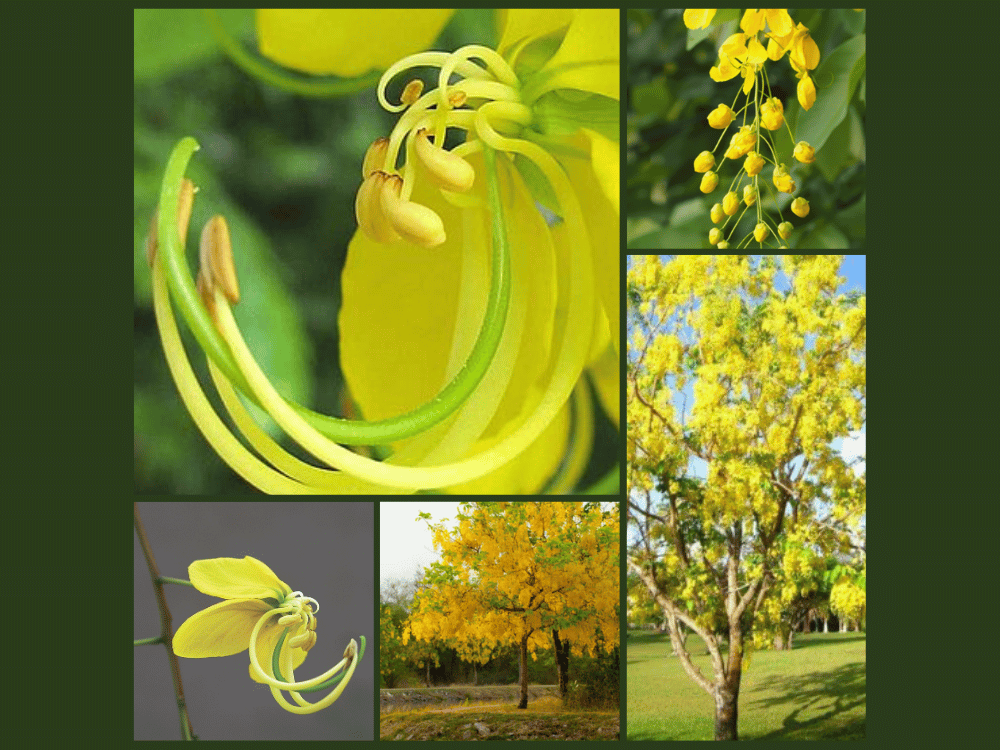
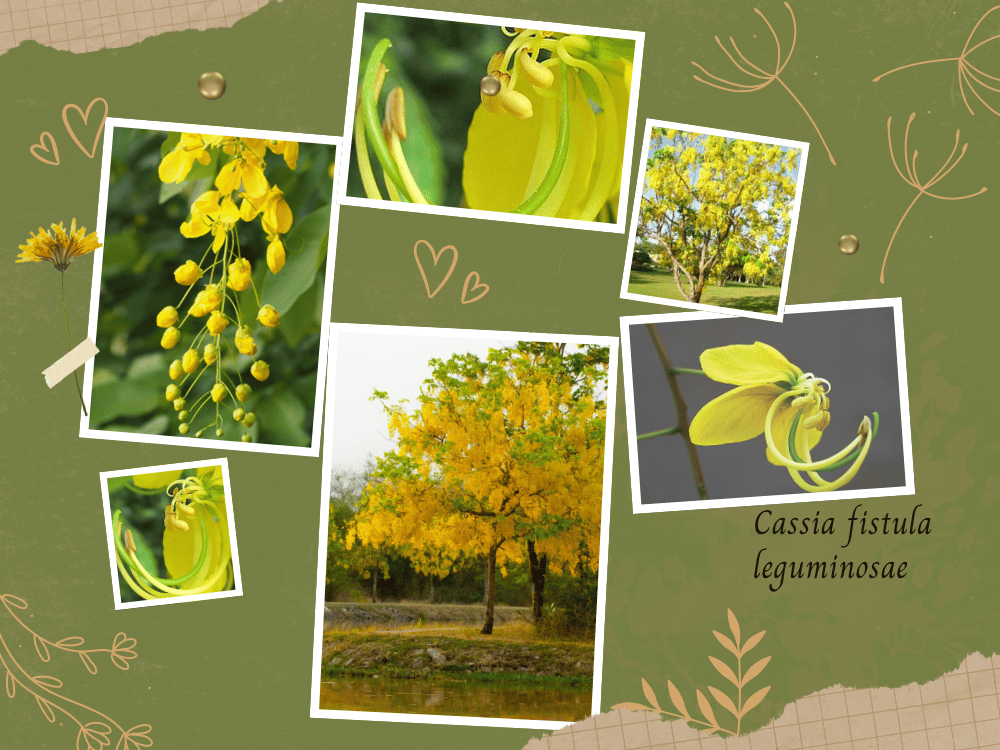
One of the most striking features of the tree is its beautiful yellow flowers. These flowers are:
- Bright yellow in color
- Large and attractive
- Mildly fragrant
- Arranged in hanging clusters
The flowering branches may grow up to two and a half feet long, creating a spectacular display during the blooming season.
The tree usually begins flowering in the month of Baisakh and continues blooming until Jeth. Each flower contains five petals.
In some traditional communities, the flowers are also used for preparing vegetable dishes and sweet preserves such as Gulkand.
Fruit and Pods
After the flowering season, long cylindrical pods begin to develop. Initially, the pods are:
- Thin
- Green in color
- Slightly bluish in appearance
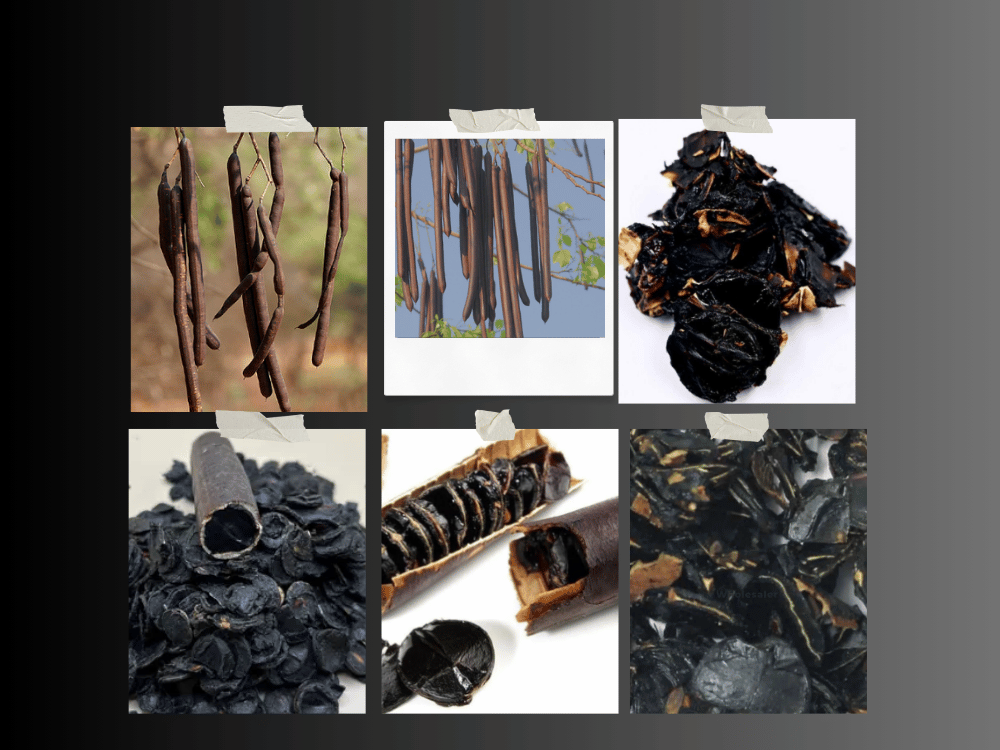
During the rainy season, the pods become much thicker and may grow up to one and a half feet or more in length. When fully mature and dry, they turn dark brown or black.
The tip of the pod is pointed, and inside the pod small compartments or cells are formed. Each compartment contains dark-colored pulp surrounding the seeds.
This medicinal pulp is traditionally known as Pulp Maltas and is widely used in traditional medicine.
Seeds
The seeds of Cassia fistula are:
- Round in shape
- Brown in color
- Similar in appearance to mustard seeds
Each compartment of the pod generally contains three to four seeds, and a single pod may contain dozens of seeds. Inside the hard seed covering, the internal seed material appears yellow in color.
Traditional Importance
The pulp obtained from the pods has long been valued in traditional medicine for its gentle medicinal properties. Different parts of the tree, including the flowers, leaves, bark, and pulp, have historically been used in herbal preparations.
Because of its medicinal value and ornamental beauty, Cassia fistula continues to be an important tree in South Asian traditional medicine and culture.